
Loading, please wait...
LOT 0158
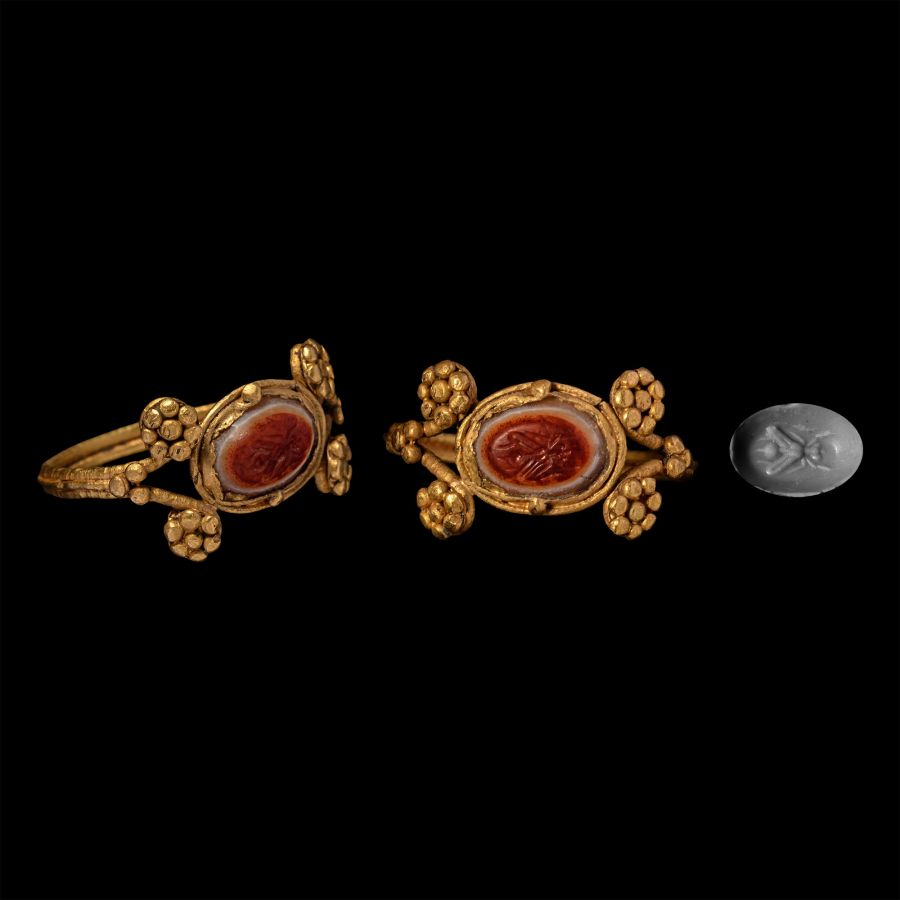
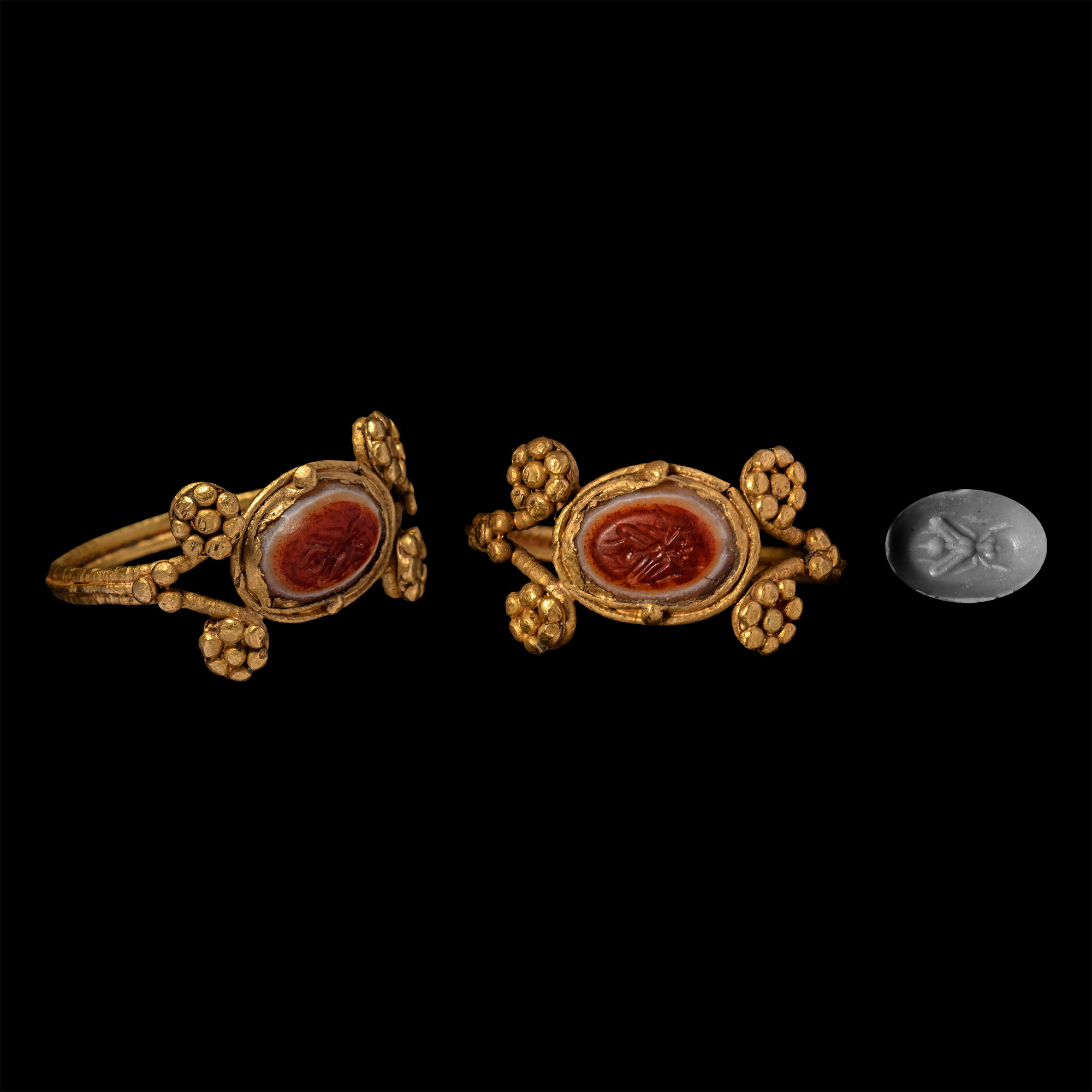
Roman Gold Ring with 'Eye' Gemstone with Engraved Bee
3RD CENTURY A.D.
7/8 in. (4.52 grams, 22.29 mm overall, 19.07 mm internal diameter (approximate size British Q 1/2, USA 8 1/4, Europe 18.12, Japan 17)).
Sardonyx cabochon with incuse bee to centre; set in a cell with flanking gold rosettes; hoop formed with three beaded wire bands and granule detailing; supplied with a museum-quality impression.
ProvenancePrivate collection, Europe.
Acquired on the English art market.
Cf. Chadour, A.B., Rings. The Alice and Louis Koch Collection, volume I, Leeds, 1994, item 82, for an earlier version of the type.
CONDITIONTimeLine Auctions follows a vetting process to ensure the authenticity and legality of all items, reinforcing our commitment to integrity and responsible trading. Each antiquity, antique, and coin lot undergoes thorough examination by a vetting committee of at least ten external specialists, professional trade association members, scientists, and archaeologists: Our Vetting Process
AUCTIONS:
TimeLine is a leading auction house specialising in antiquities, ancient art, collectables, natural history, coins, medals, and books. Our auctions offer museums, collectors, historians, and enthusiasts the opportunity to acquire unique and historically significant pieces.
LOT 0158
Roman Gold Ring with 'Eye' Gemstone with Engraved Bee
Sold for (Inc. bp): £1,690
-
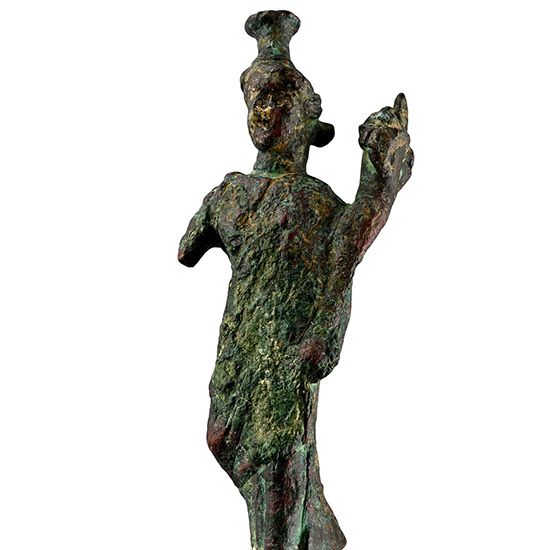
Roman Bronze Statue of Demeter with Cornucopia
1st-3rd century A.D.Estimate: £300 - 400 (+bp*)
Opening Bid: £150
Modelled in the round standing with legs advancing, left arm cradling a cornucopia; hair drawn back in a chignon, surmounted by a modius; attachment loop below feet. 145 grams, 10.5 cm
Acquired before 1990. Ex London gallery, 1990s. Private collection, London, UK.
The Roman Empire was one of the most powerful and influential civilisations of the ancient world, lasting for many centuries. It is known for its impressive cities, roads, engineering, art, and military strength, as well as its system of law and government. At its height, the empire brought together many different cultures, and its ideas and achievements continued to shape Europe and the wider world long after its fall. -

Roman Marble Corinthian Capital
3rd-4th century A.D.Sold for (Inc. bp): £7,150
Round in plan, showing detailed acanthus leaves and spiral volutes with deep undercuts, applied flower to the upper edge. 23 kg, 25.7 cm high
Acquired on the French art market, 13 November 2022. Private collection, England. This lot has been checked against the Interpol Database of stolen works of art and is accompanied by search certificate number no.13117-249699. -
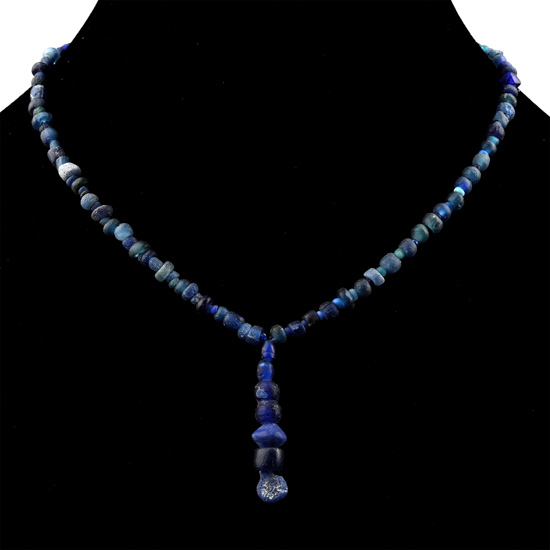
Roman and Other Blue Glass Bead Necklace String
1st-4th century A.D. and laterSold for (Inc. bp): £59
Composed of oblate and other beads, restrung to a Y-shape. 10.72 grams, 34.1 cm
From London, UK, gallery collection, 1990s.
