
Loading, please wait...
LOT 0144
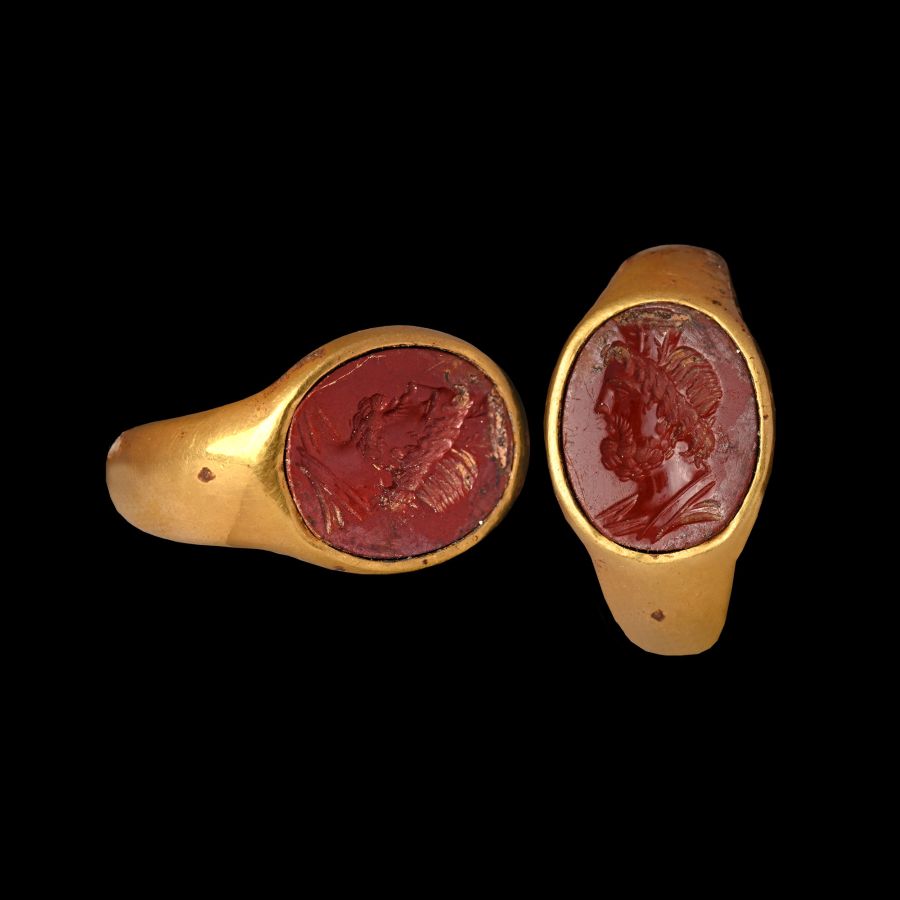
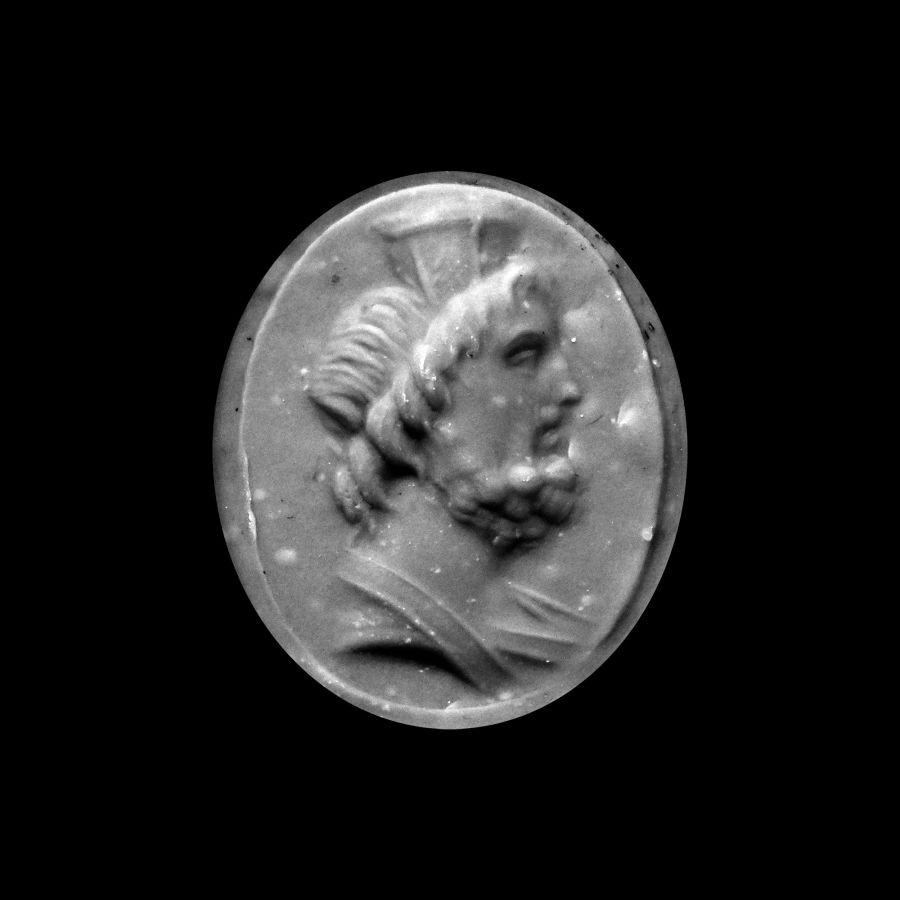
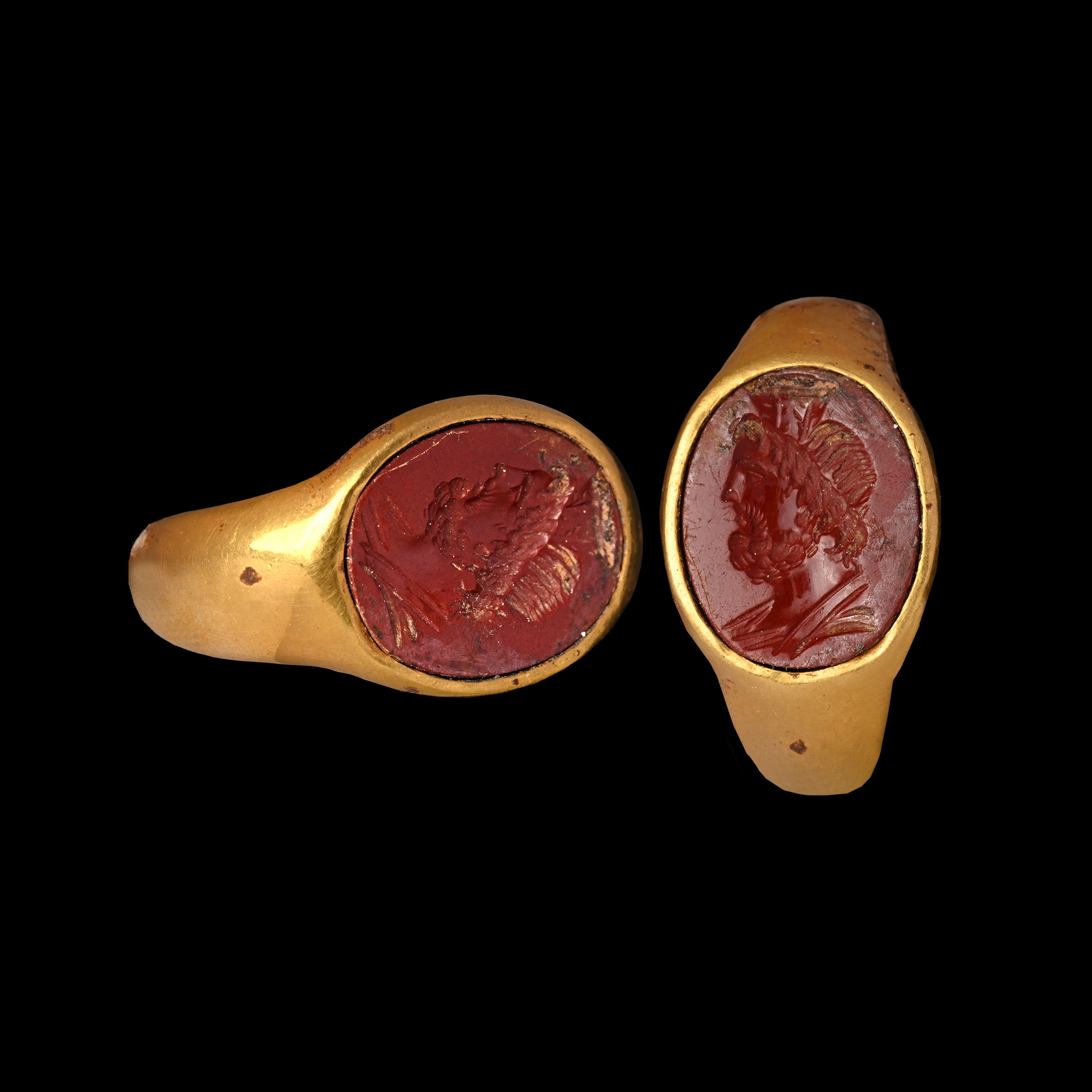
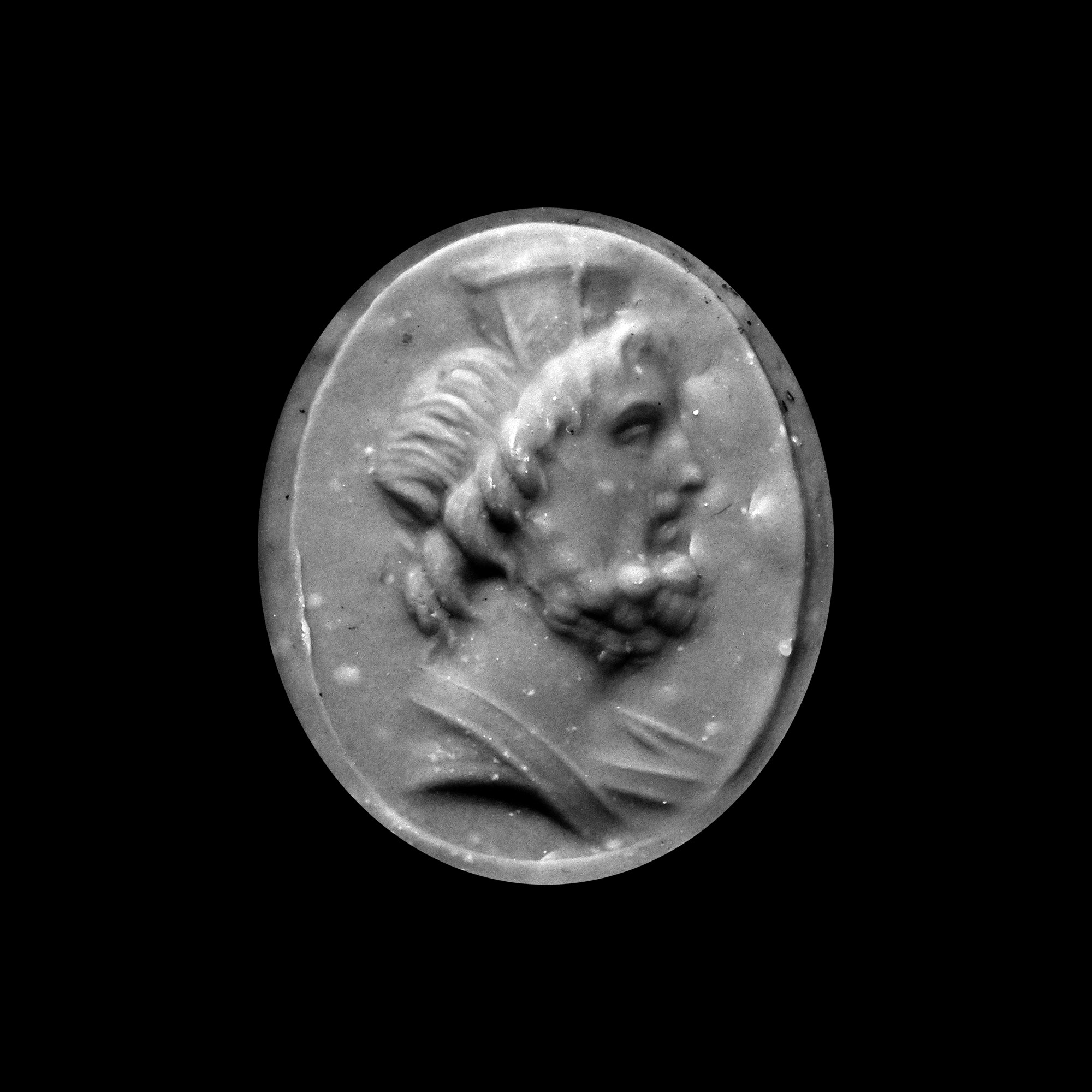
Roman Gold Ring with Bust of the God Serapis
1ST-2ND CENTURY A.D.
1 in. (5.65 grams, 27.68 mm overall, 18.70 x 15.32 mm internal diameter (approximate size British L 1/2, USA 6, Europe 11.87, Japan 11)).
Hollow-formed hoop with broad ellipsoid cell, inset red jasper intaglio profile bust of Serapis with modius; supplied with a museum-quality impression.
ProvenancePrivate European collection.
Acquired in 2002.
This lot has been checked against the Interpol Database of stolen works of art and is accompanied by search certificate number no.13122-246778.
Cf. Chadour, A.B., Rings. The Alice and Louis Koch Collection, volume I, Leeds, 1994, item 142, for type.
CONDITIONTimeLine Auctions follows a vetting process to ensure the authenticity and legality of all items, reinforcing our commitment to integrity and responsible trading. Each antiquity, antique, and coin lot undergoes thorough examination by a vetting committee of at least ten external specialists, professional trade association members, scientists, and archaeologists: Our Vetting Process
AUCTIONS:
TimeLine is a leading auction house specialising in antiquities, ancient art, collectables, natural history, coins, medals, and books. Our auctions offer museums, collectors, historians, and enthusiasts the opportunity to acquire unique and historically significant pieces.
LOT 0144
Roman Gold Ring with Bust of the God Serapis
Estimate £3,000 - 4,000€3,480 - 4,640 (for guidance only)$4,050 - 5,400 (for guidance only)
-

Roman and Other Blue Glass Bead Necklace String
1st-4th century A.D. and laterSold for (Inc. bp): £52
Composed of gently graduating beads restrung to a Y-shape. 11.01 grams, 33 cm
From London, UK, gallery collection, 1990s. -
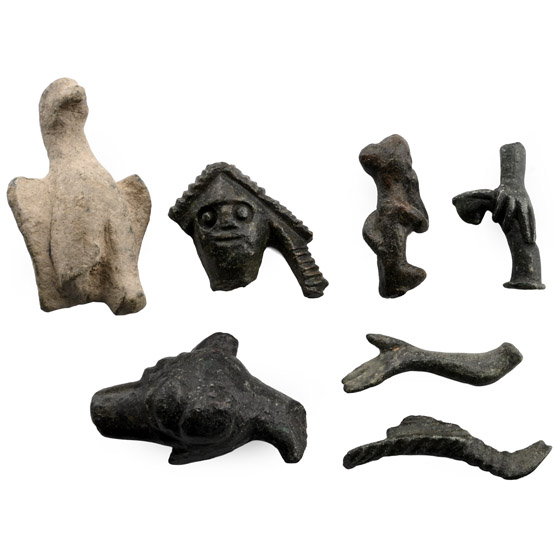
Roman to Medieval Bronze Statuette Fragment Collection
1st-16th century A.D.Sold for (Inc. bp): £46
Including right forearm and hand, right hand with rhyton and other types. 86 grams total, 24-38 mm
Ex German art market, 2000s. Acquired from an EU collector living in London. From the collection of a Surrey, UK, gentleman. -
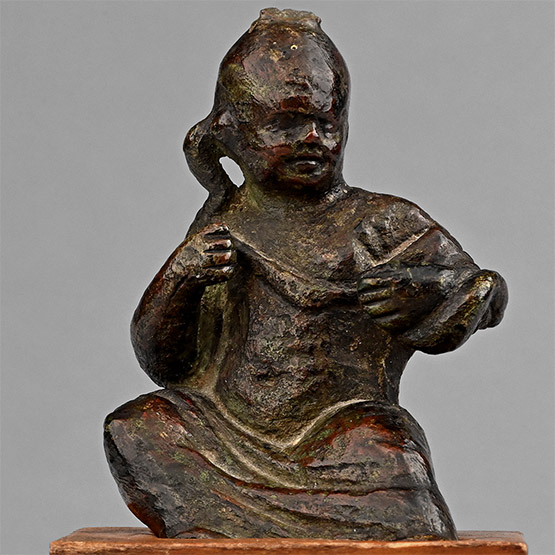
Roman Bronze Statuette of the God Harpocrates
1st-3rd century A.D.Estimate: £2,000 - 3,000 (‡+bp*)
Opening Bid: £1,000
Presented as a very young child sitting on the ground, wearing a long tunic which covers his lower body down to his feet; right arm bent and hand raised to the shoulder, left hand curved around an object (absent); sporting the conventional sidelock behind the right ear; mounted in a custom-made tiered wooden stand. 213 grams, 73 mm (276 grams total, 10.2 cm including stand)
Ex Hanna Saba collection, Ambassador to Egypt-USA-France (1909-1992). Private European collection. This lot has been checked against the Interpol Database of stolen works of art and is accompanied by a search certificate number no.12098-218159.
The god's name was Hellenized in the Ptolemaic era and later adopted by the Romans, but it originated in the figure of 'Horus the child', son of Isis and Osiris, who was worshipped especially in Alexandria.
