
Loading, please wait...


LOT 0174
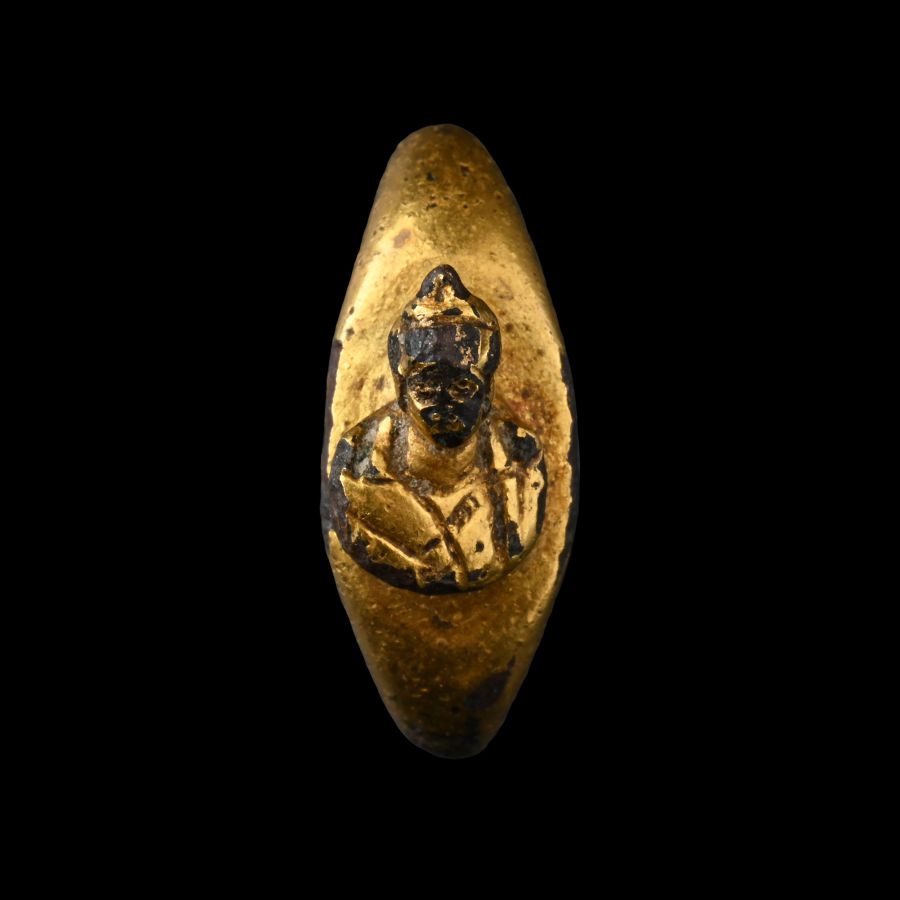
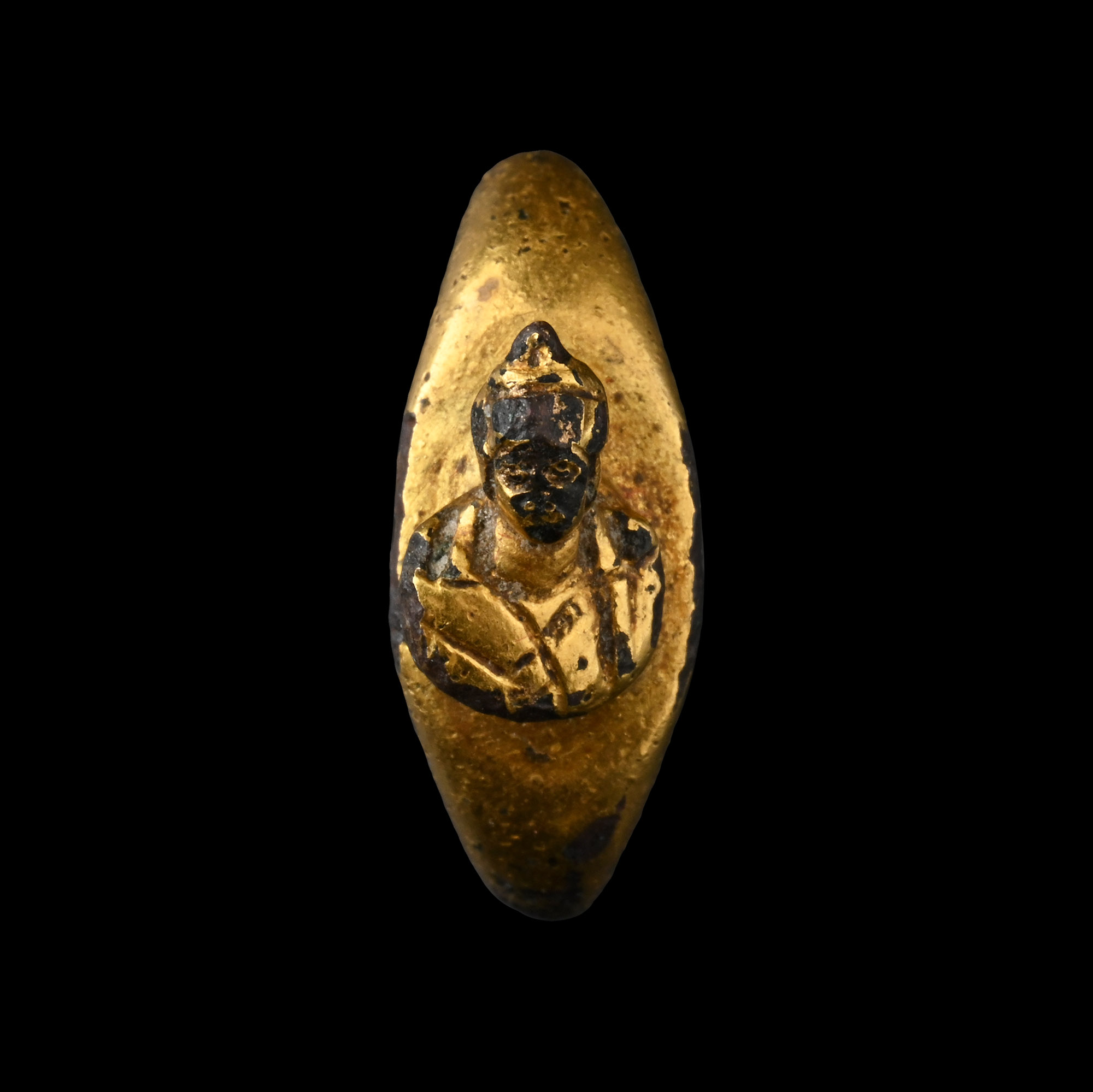
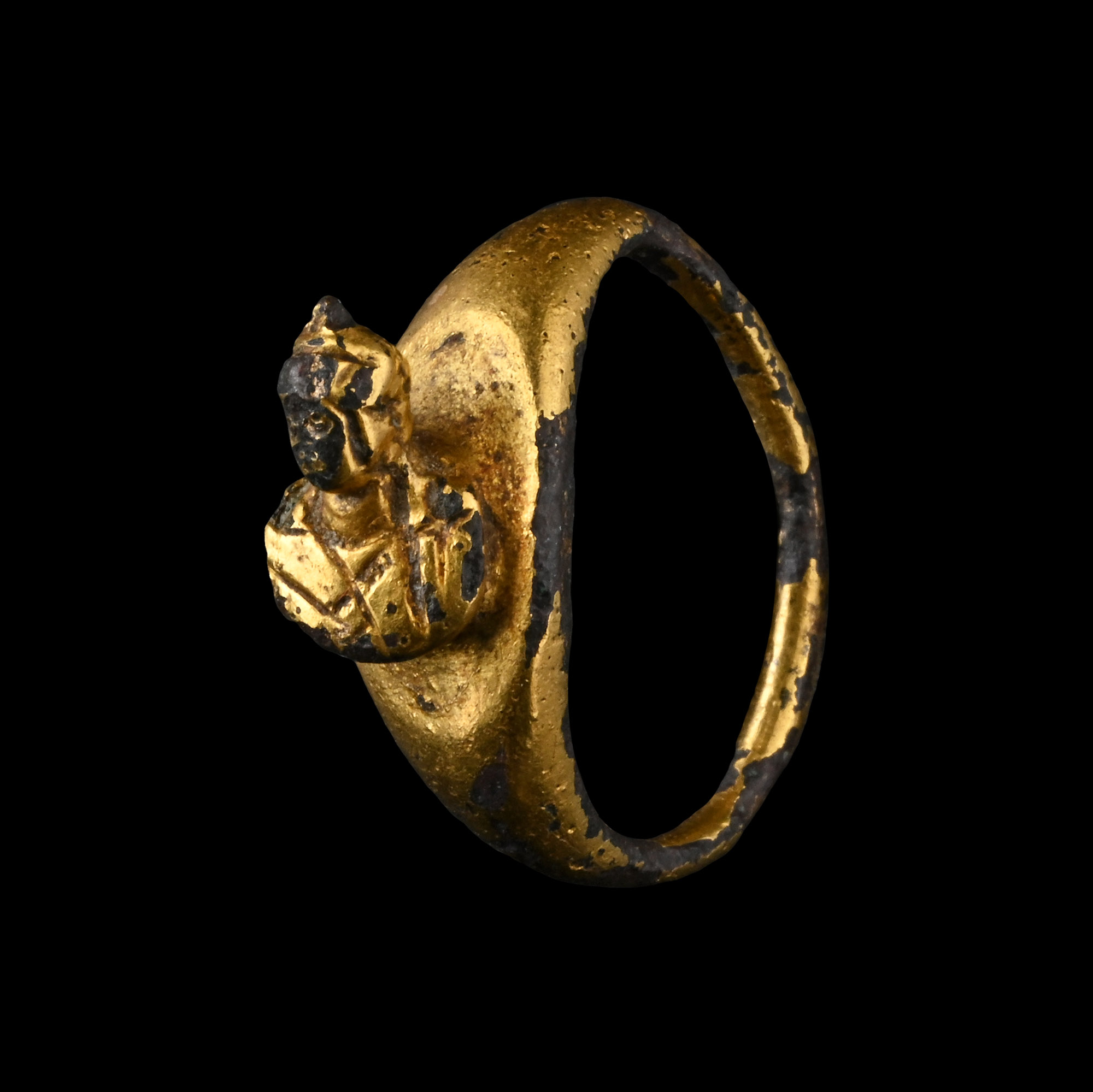
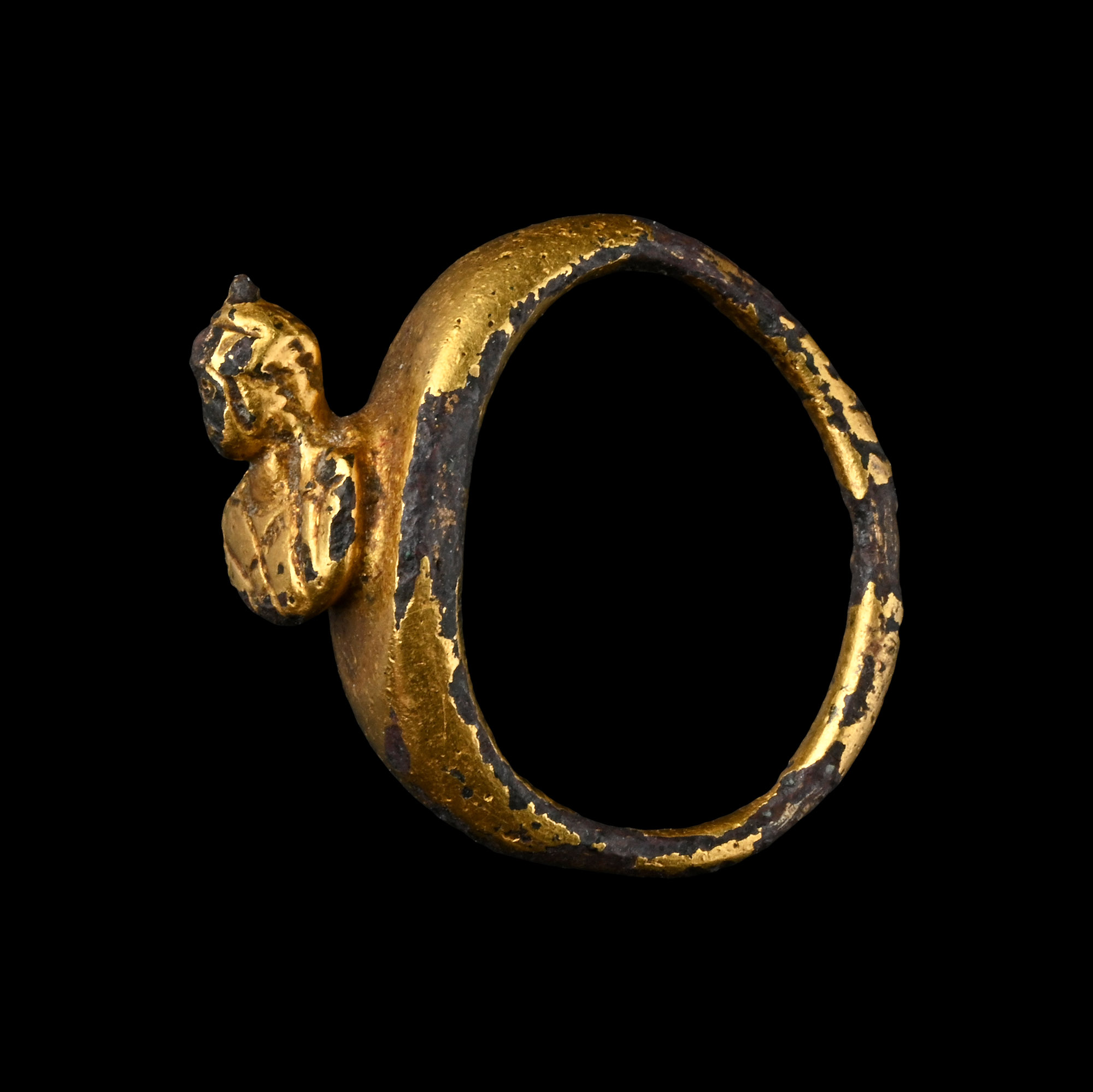
Roman Gold-Plated Bronze Ring with Bust of Minerva
1ST-2ND CENTURY A.D.
1 in. (4.23 grams, 24.14 mm overall, 17.40 mm internal diameter (approximate size British G, USA 3 1/4, Europe 4.92, Japan 4)).
Integral scaphoid bezel with female bust modelled in the round.
ProvenancePrivate collection, UK.
Acquired on the English art market.
Cf. Chadour, A.B., Rings. The Alice and Louis Koch Collection, volume I, Leeds, 1994, item 182, for type.
CONDITIONTimeLine Auctions follows a vetting process to ensure the authenticity and legality of all items, reinforcing our commitment to integrity and responsible trading. Each antiquity, antique, and coin lot undergoes thorough examination by a vetting committee of at least ten external specialists, professional trade association members, scientists, and archaeologists: Our Vetting Process
AUCTIONS:
TimeLine is a leading auction house specialising in antiquities, ancient art, collectables, natural history, coins, medals, and books. Our auctions offer museums, collectors, historians, and enthusiasts the opportunity to acquire unique and historically significant pieces.
LOT 0174
Roman Gold-Plated Bronze Ring with Bust of Minerva
Estimate £300 - 400€350 - 460 (for guidance only)$410 - 540 (for guidance only)
-
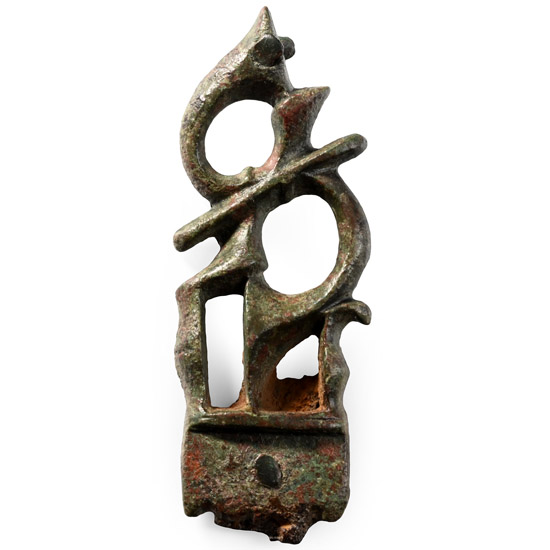
Romano-British Bronze Trumpet-Whorl Knife Handle
1st-2nd century A.D.Sold for (Inc. bp): £52
Openwork handle formed of curving trumpet-whorls, rectangular bar with a single rivet below. 14.8 grams, 58 mm
From the private coin collection of a West London, UK, gentleman, formed since the mid 1980s. -
.jpg)
Large Roman Carnelian Gemstone with Hercules
1st-2nd century A.D.Sold for (Inc. bp): £260
Ellipsoid type with incuse design of Hercules standing under the tree of Hesperides, holding one of the apples; repaired; supplied with a museum-quality impression. 3.2 grams, 25 mm
From the private collection of a European gentleman (1942-2024), formed since the 1970s. -
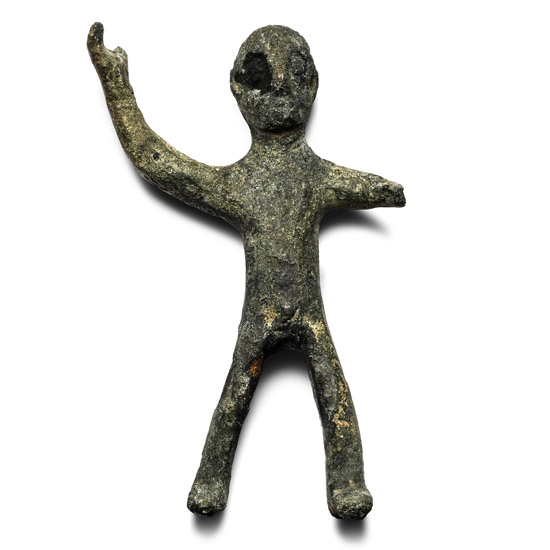
Romano-Celtic Bronze Statuette of a God on horseback
2nd-4th century A.D.Sold for (Inc. bp): £65
Modelled in the round as a nude horseman with legs spread, right hand extended palm-upwards. 29.7 grams, 61 mm
From the private collection of a European gentleman (1942-2024), formed since the 1970s.
