
Loading, please wait...
LOT 0615
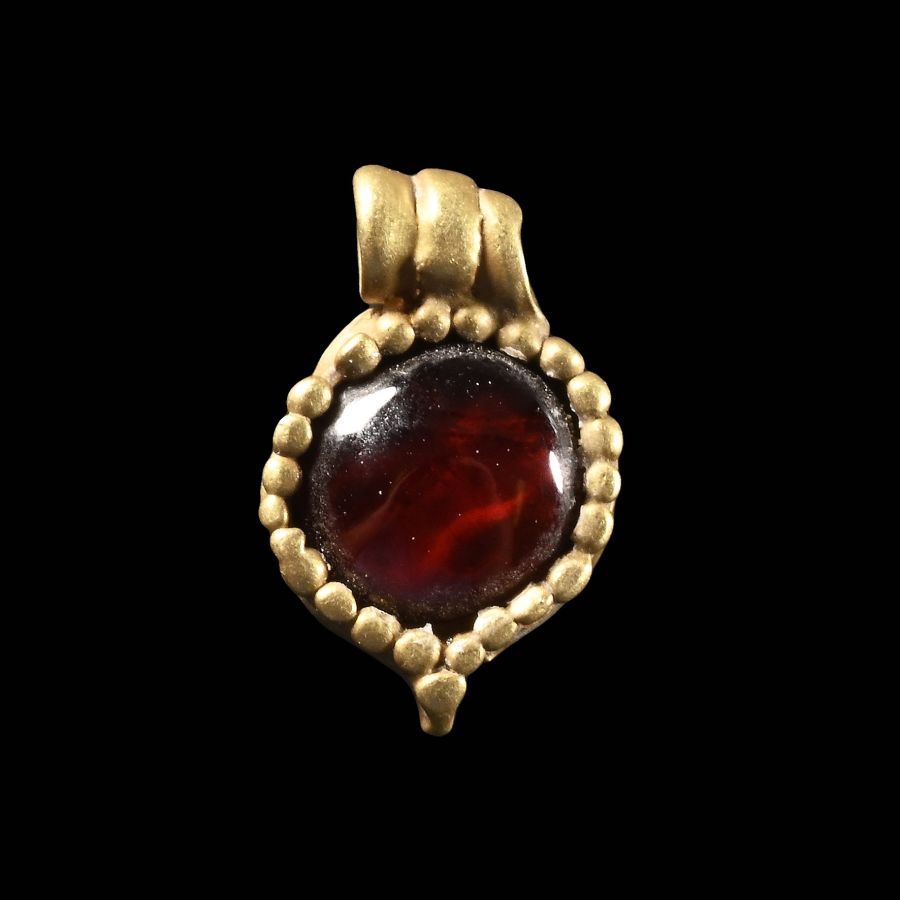
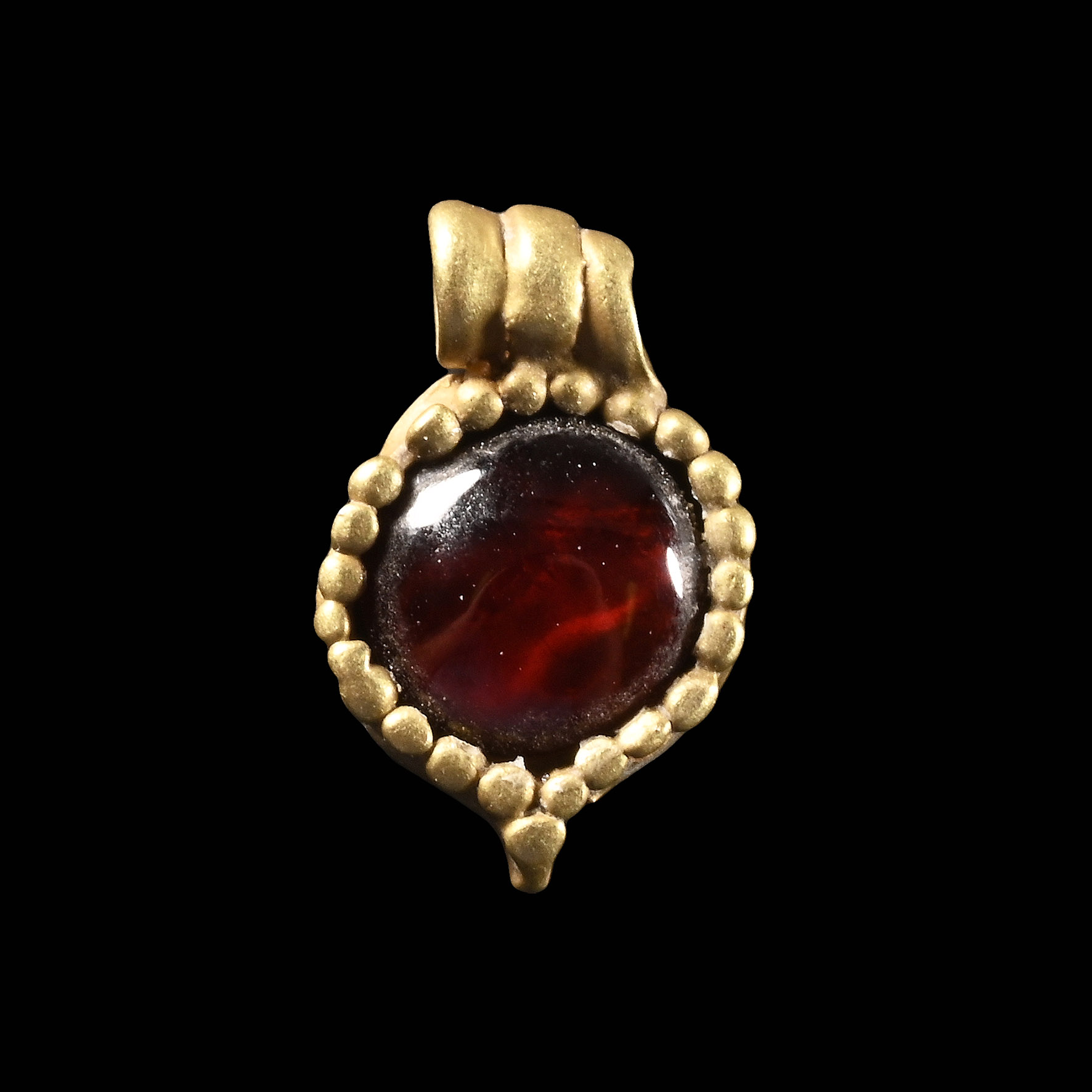
Roman Gold Pendant with Garnet
CIRCA 4TH-5TH CENTURY A.D.
2/8 in. (0.20 grams, 8.46 mm).
Ribbed loop supporting a discoid plaque with beaded wire rim, inset garnet cabochon. [No Reserve]
ProvenanceFrom a late Japanese specialist collector, 1970-2000s.
CONDITIONTimeLine Auctions follows a vetting process to ensure the authenticity and legality of all items, reinforcing our commitment to integrity and responsible trading. Each antiquity, antique, and coin lot undergoes thorough examination by a vetting committee of at least ten external specialists, professional trade association members, scientists, and archaeologists: Our Vetting Process
AUCTIONS:
TimeLine is a leading auction house specialising in antiquities, ancient art, collectables, natural history, coins, medals, and books. Our auctions offer museums, collectors, historians, and enthusiasts the opportunity to acquire unique and historically significant pieces.
-
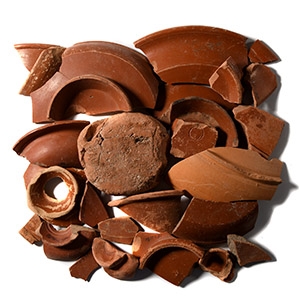
Roman 'Leicestershire' Redware Sherd Collection
3rd-4th century A.D.Sold for (Inc. bp): £208
Comprising a large quantity of mixed vessel fragments, mostly displaying part of the base or rim, and a lump of unworked clay; some with old pencilled or inked collection numbers. 900 grams total, 3.1-13.5 cm
Acquired from a private collector in 2004. Property of a Nottinghamshire gentleman. -
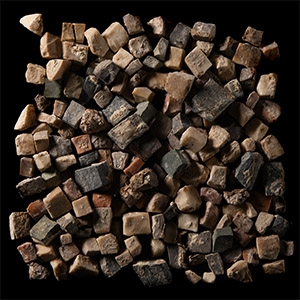
Roman Mosaic Tesserae Group
1st-4th century A.D.Sold for (Inc. bp): £117
A mixed group of one hundred and seventy single stone tesserae of various colours and sizes. 95 grams total, 4-14 mm
Acquired 1980-2015. Ex Abelita family collection. -
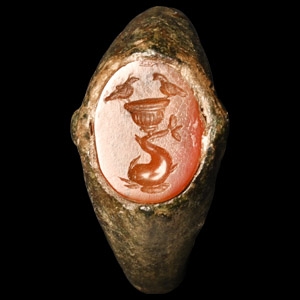
Roman Bronze Ring with Birds and Dolphin Gemstone
Circa 1st-2nd century A.D.Sold for (Inc. bp): £546
With shoulders tapering towards the plaque and two lateral knops, inset carnelian intaglio of a fluted vase with two birds perching on the rim, supported on the tail of dolphin; a marriage. 7.40 grams, 26.18 mm overall, 18.95 mm internal diameter (approximate size British R, USA 8 1/2, Europe 18 3/4, Japan 18)
Acquired on the German art market before 2000. Property of a Surrey, UK, collector.
