
Loading, please wait...
LOT 0797
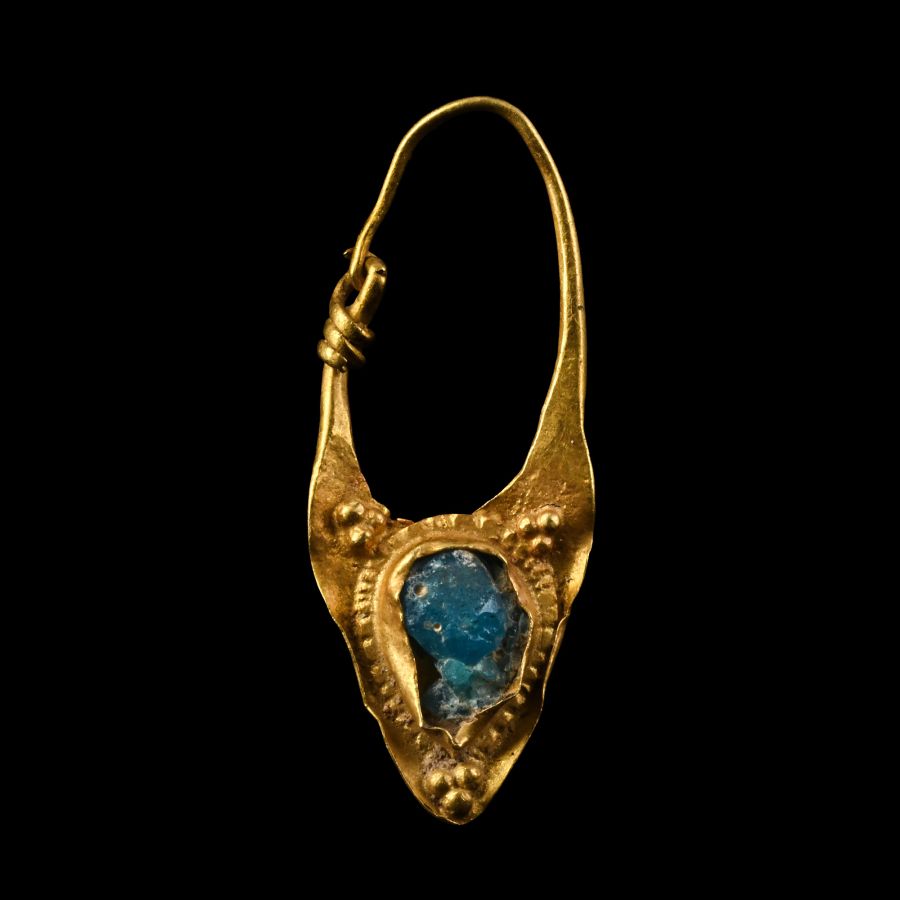
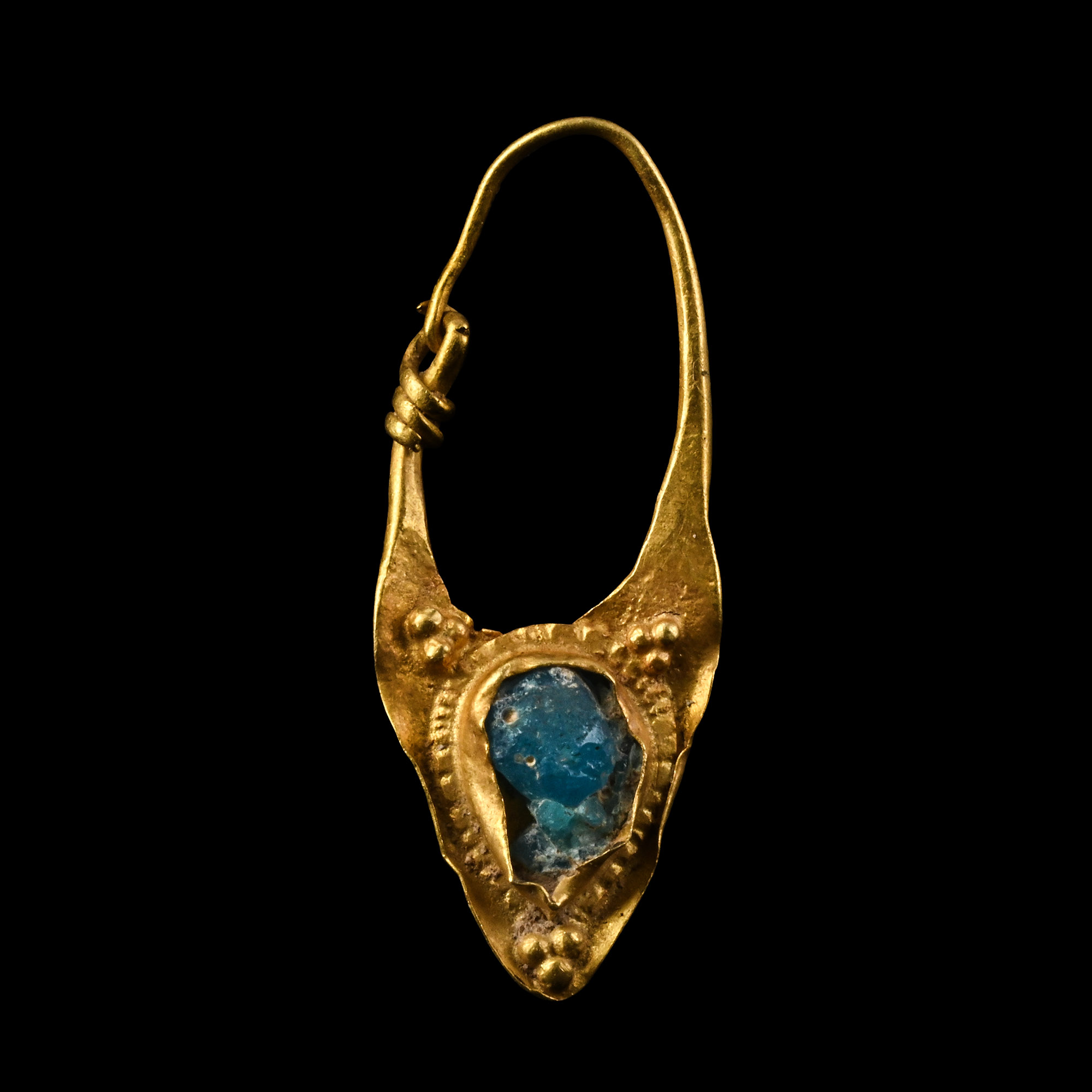
Roman Gold Earring with Glass Cabochon
1ST-2ND CENTURY A.D.
1 in. (1.04 grams, 27.6 mm).
Comprising a triangular plaque with a teardrop-shaped cell set with a turquoise-coloured glass cabochon, granulated edge and three applied granule clusters, loop-and-hook closure. [No Reserve]
ProvenanceFrom the private collection of a European gentleman (1942-2024), formed since the 1970s.
CONDITIONTimeLine Auctions follows a vetting process to ensure the authenticity and legality of all items, reinforcing our commitment to integrity and responsible trading. Each antiquity, antique, and coin lot undergoes thorough examination by a vetting committee of at least ten external specialists, professional trade association members, scientists, and archaeologists: Our Vetting Process
AUCTIONS:
TimeLine is a leading auction house specialising in antiquities, ancient art, collectables, natural history, coins, medals, and books. Our auctions offer museums, collectors, historians, and enthusiasts the opportunity to acquire unique and historically significant pieces.
-
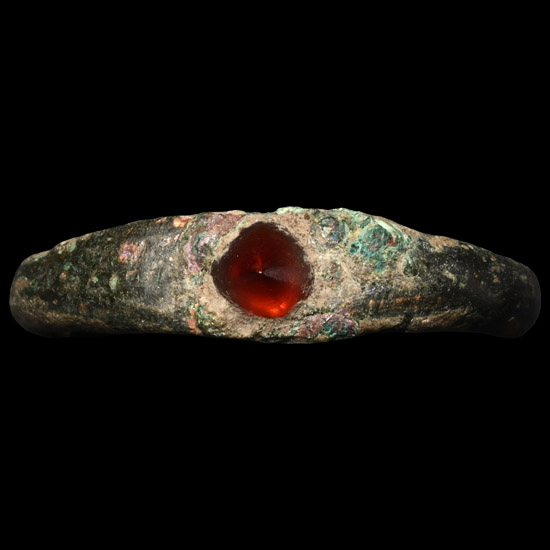
Roman Child's Bronze Ring with Garnet Gemstone
Circa 2nd-4th century A.D.Sold for (Inc. bp): £91
Featuring a round-section hoop set with a conical red garnet. 2.13 grams, 19.13mm overall, 12.57x15.69 mm internal diameter (approximate size British D 1/2, USA 2, Europe 1.78, Japan 1)
From the private collection of a European gentleman (1942-2024), formed since the 1970s. -
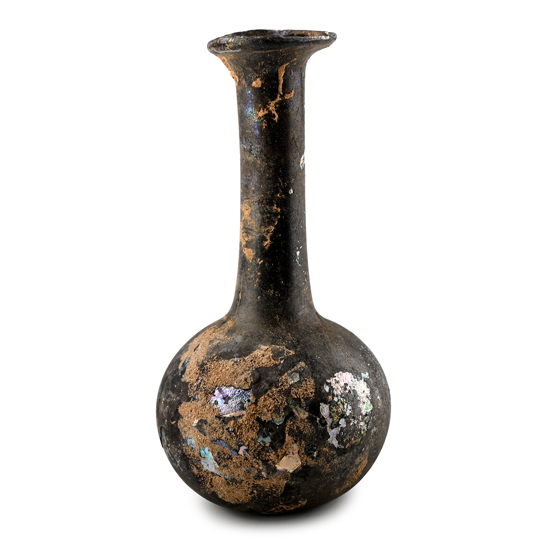
Roman Iridescent Glass Bottle
1st-2nd century A.D.Sold for (Inc. bp): £117
With bulbous body, tall tubular neck, broad everted rim to the shallow mouth; extensive iridescence. 20 grams, 97 mm
Ex London, UK, art market 1990s. -
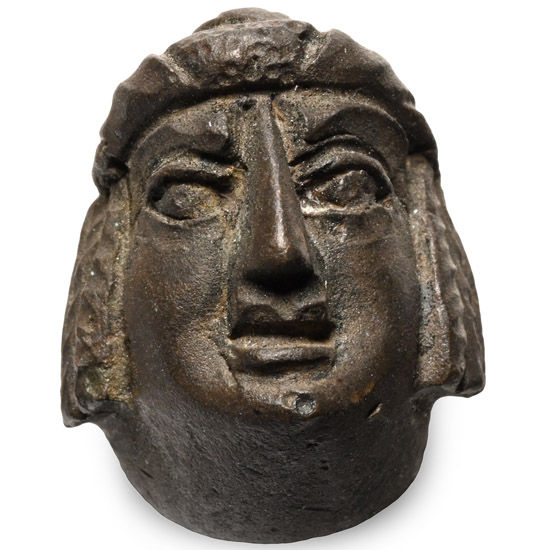
Roman Actor's Mask Head
1st century B.C.-2nd century A.D.Sold for (Inc. bp): £65
Modelled in the round with emphasised facial detailing and wearing a plaited wig. 21.6 grams, 20 mm
From the private collection of a European gentleman (1942-2024), formed since the 1970s.
