
Loading, please wait...


LOT 0164
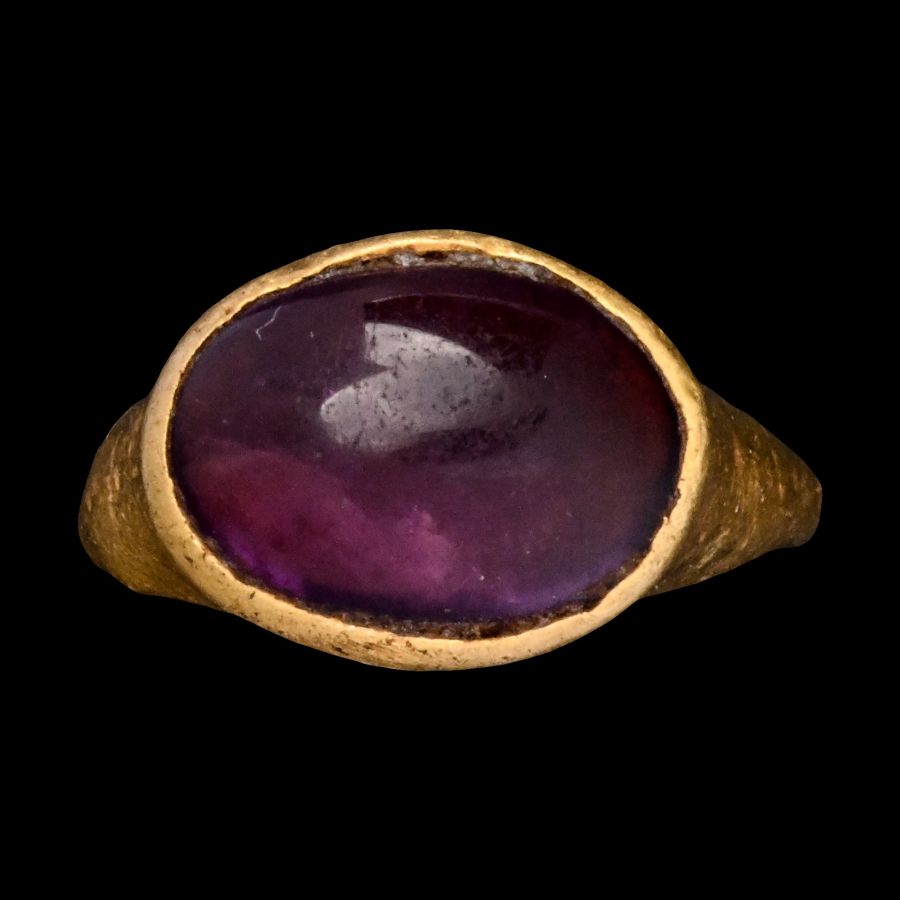
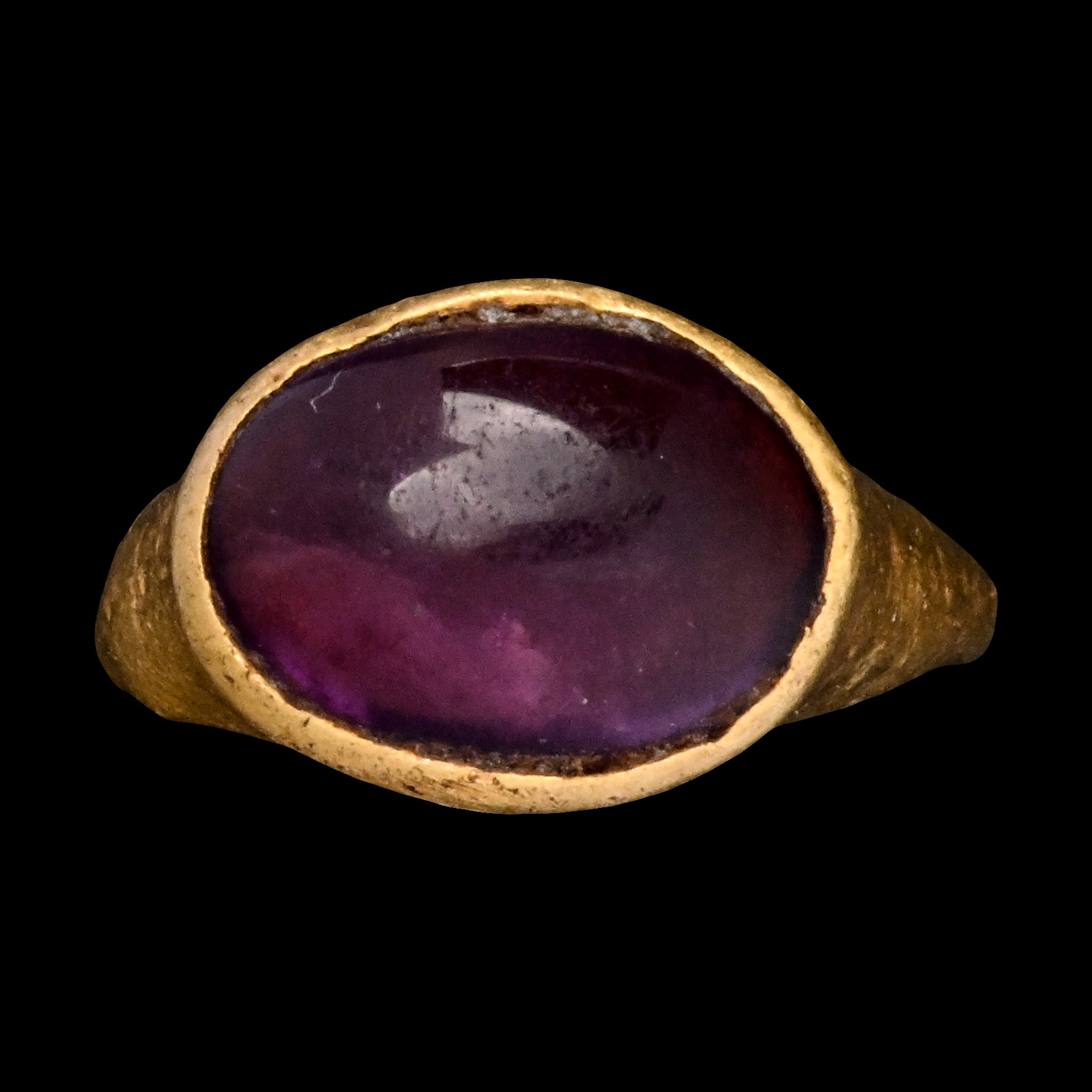
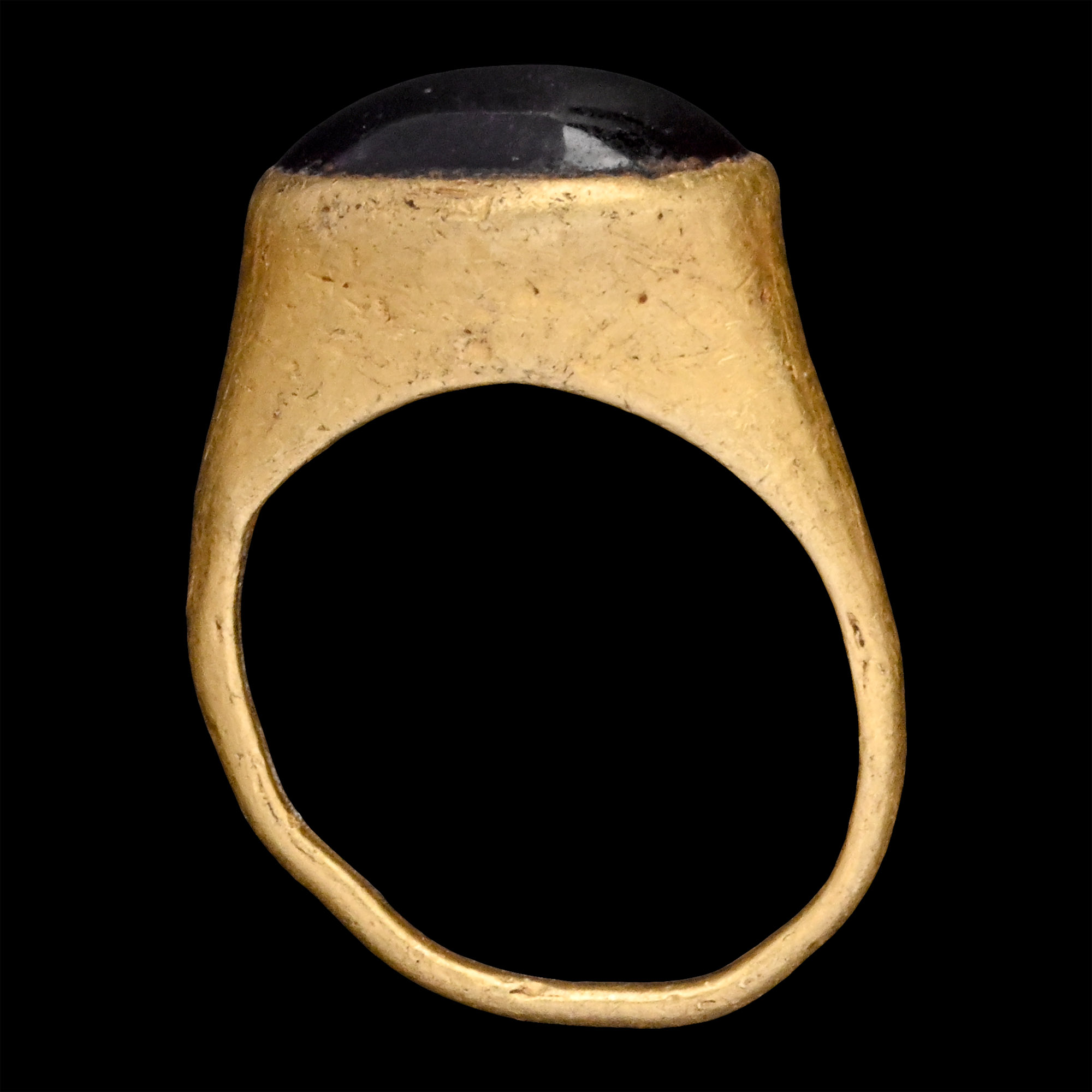
Roman Gold Child's Ring with Amethyst Cabochon
1ST CENTURY A.D.
5/8 in. (1.34 grams, 17.24 mm overall, 10.57 x 11.34 mm internal diameter).
With slender hoop and integral cell bezel, inset amethyst cabochon.
ProvenanceEx German art market, 2000s.
Acquired from an EU collector living in London.
From the collection of a Surrey, UK, gentleman.
TimeLine Auctions follows a vetting process to ensure the authenticity and legality of all items, reinforcing our commitment to integrity and responsible trading. Each antiquity, antique, and coin lot undergoes thorough examination by a vetting committee of at least ten external specialists, professional trade association members, scientists, and archaeologists: Our Vetting Process
AUCTIONS:
TimeLine is a leading auction house specialising in antiquities, ancient art, collectables, natural history, coins, medals, and books. Our auctions offer museums, collectors, historians, and enthusiasts the opportunity to acquire unique and historically significant pieces.
-
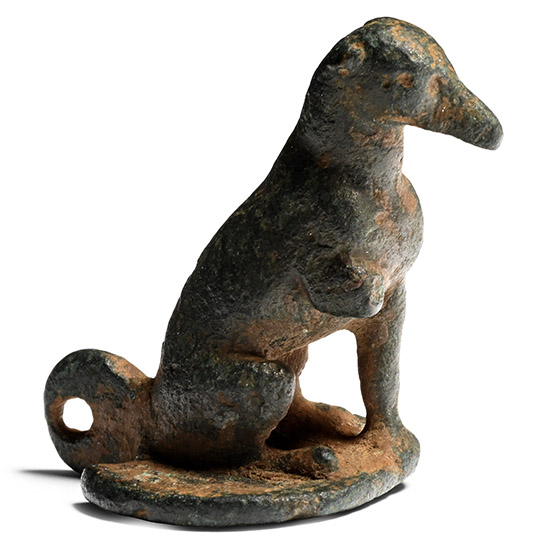
Roman Bronze Sitting Dog Lamp Lid
1st-2nd century A.D.Sold for (Inc. bp): £130
The hound sitting on a flat lid with a loop to the rear, muscular body and a long, slender snout, right front leg raised (now absent). 48.1 grams, 39 mm
Ex German art market, 2000s. Acquired from an EU collector living in London. From the collection of a Surrey, UK, gentleman. -
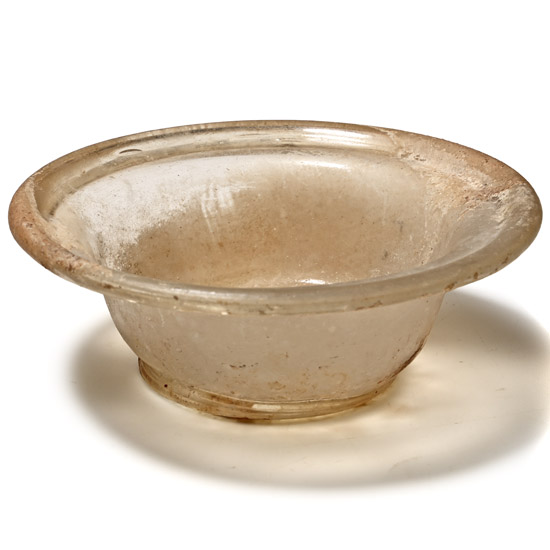
Roman Aqua Glass Bowl
1st-4th century A.D.Sold for (Inc. bp): £111
Broad and squat with dimple base and applied foot, stepped rim with carination; rim restored. 90 grams, 11.4 cm
From the collection of David Donlan (1947-2025), a dedicated and lifelong collector with a passion for the ancient world and the natural sciences, forming his collection from 1960s onwards, using many reputable dealers across the United Kingdom, including the well-regarded Coincraft and The Parthenon Gallery. -
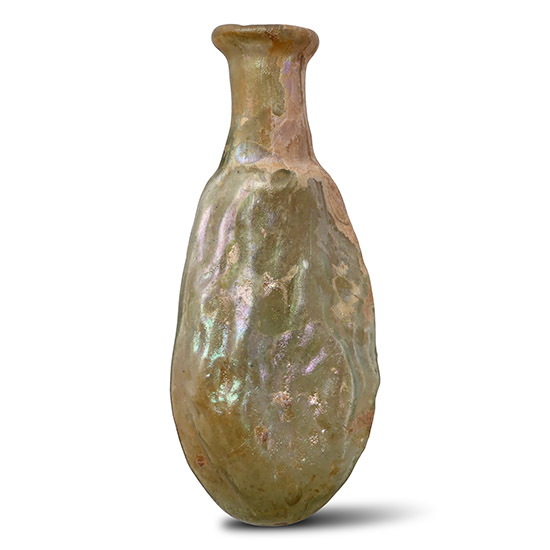
Roman Pale Green Glass Mould Blown Date Flask
1st century A.D.Sold for (Inc. bp): £260
With an elliptical body, short neck and thick everted rim, with modelled wrinkles imitating the texture of a dried date. 16.22 grams, 78 mm
Acquired from Millennium Antiquities, Lancashire, UK, in 2001. From the collection of a Bedfordshire, UK lady. Accompanied by an original Millennium Antiquities invoice dated 28 June 2001.
Dates were not only a staple of the Mediterranean diet, used to sweeten food and wine, but also a symbol for the New Year and a fruit often given as a gift on the occasion.
