
Loading, please wait...


LOT 0892
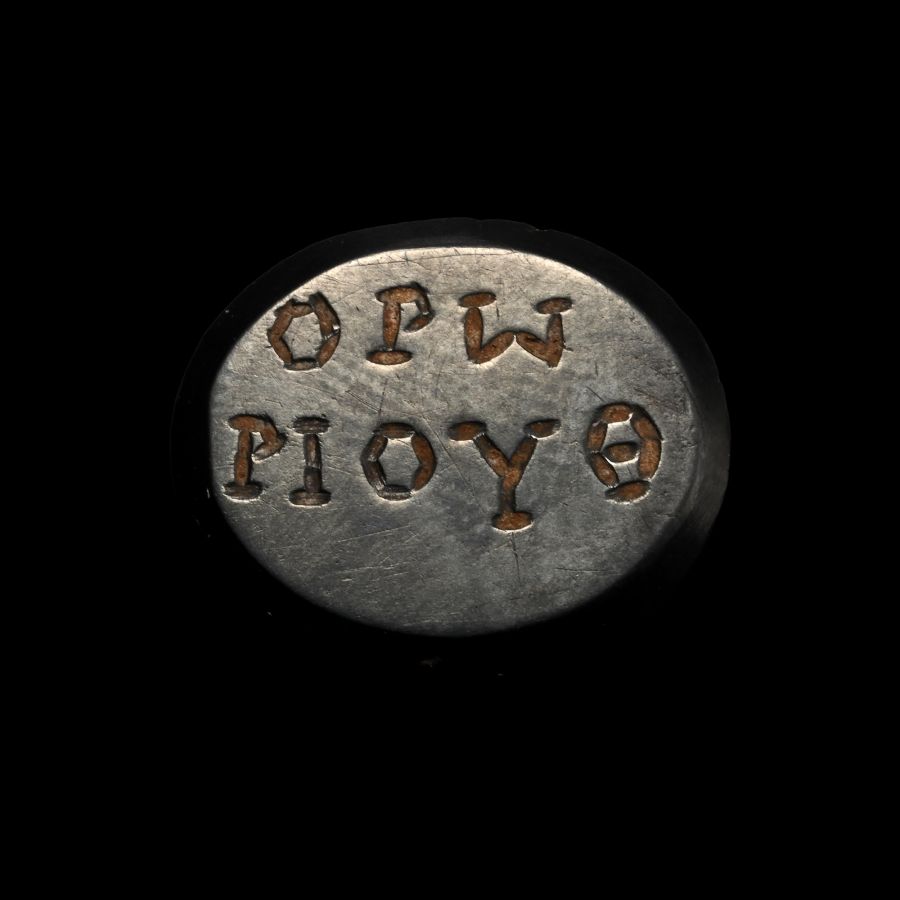
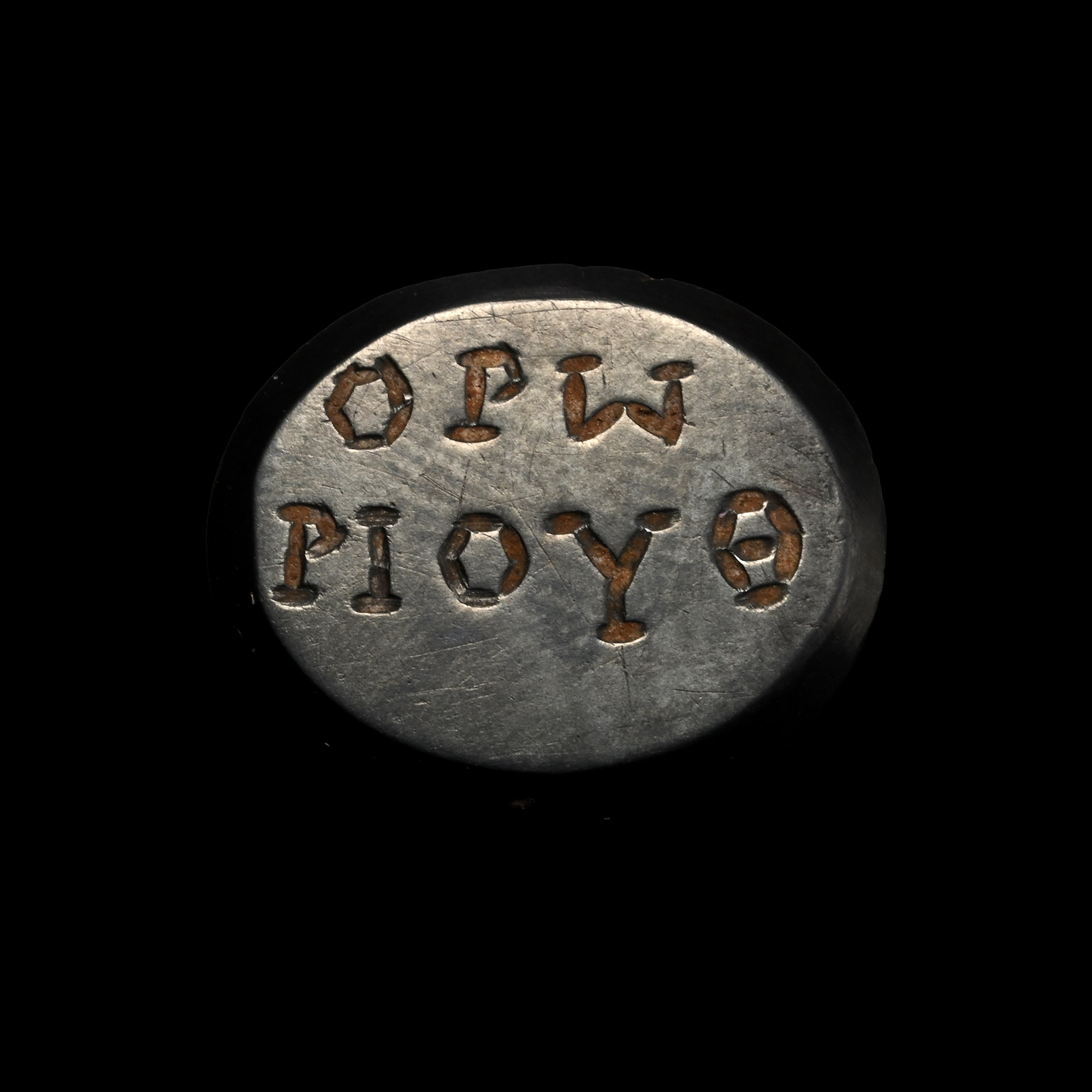
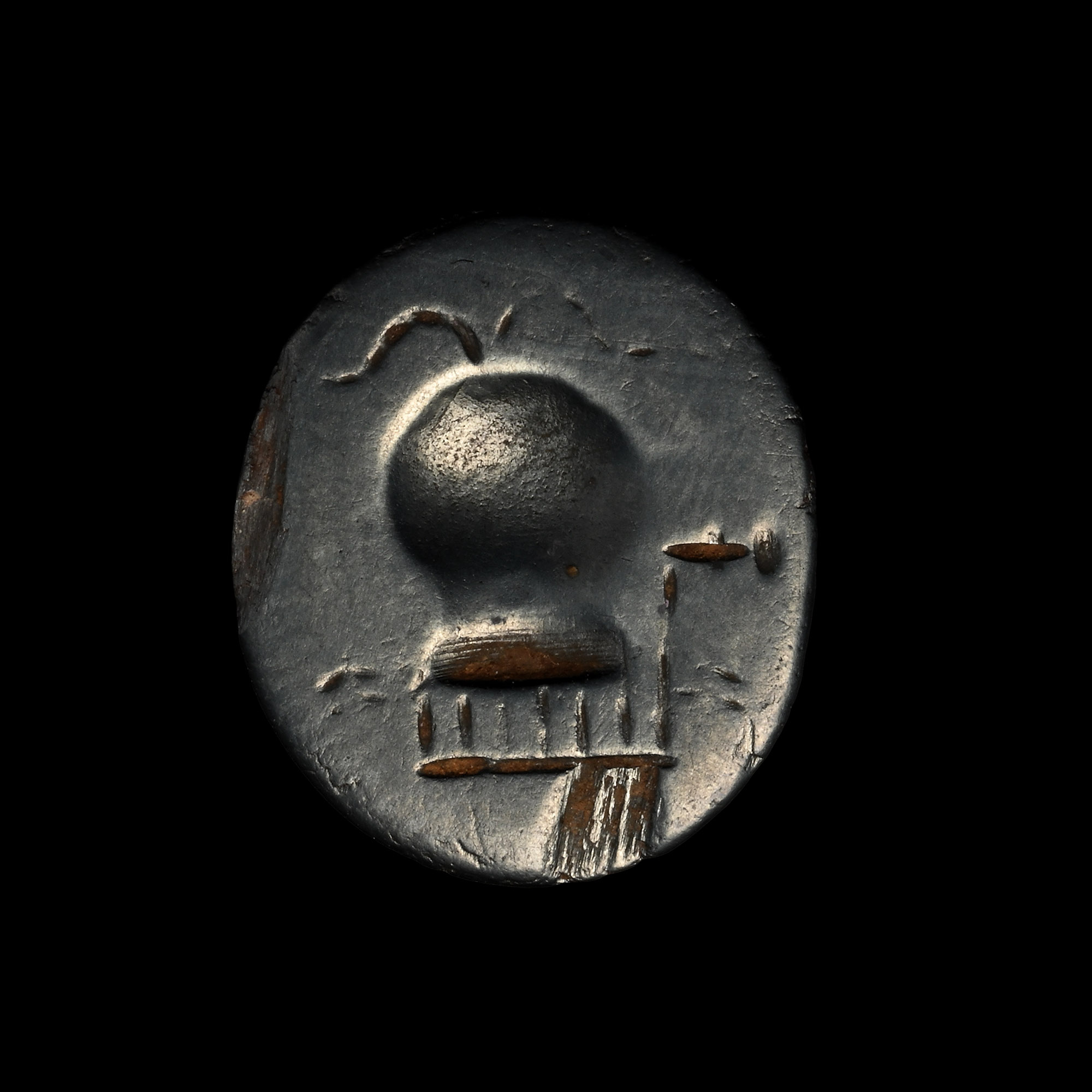
Roman Gnostic Haematite Bifacial Gemstone with Uterus and Inscription
CIRCA 3RD CENTURY A.D.
5/8 in. (1.25 grams, 15 mm).
Dscoid in plan with enigmatic legend to obverse 'ΟΡωΡΙΟΥΘ', reverse with incised schematic uterus(?) and tendrils.
ProvenanceAcquired on the European art market, from a collection formed in the 1990s.
Property of a London, UK, antiquarian.
TimeLine Auctions follows a vetting process to ensure the authenticity and legality of all items, reinforcing our commitment to integrity and responsible trading. Each antiquity, antique, and coin lot undergoes thorough examination by a vetting committee of at least ten external specialists, professional trade association members, scientists, and archaeologists: Our Vetting Process
AUCTIONS:
TimeLine is a leading auction house specialising in antiquities, ancient art, collectables, natural history, coins, medals, and books. Our auctions offer museums, collectors, historians, and enthusiasts the opportunity to acquire unique and historically significant pieces.
LOT 0892
Roman Gnostic Haematite Bifacial Gemstone with Uterus and Inscription
Sold for (Inc. bp): £221
-
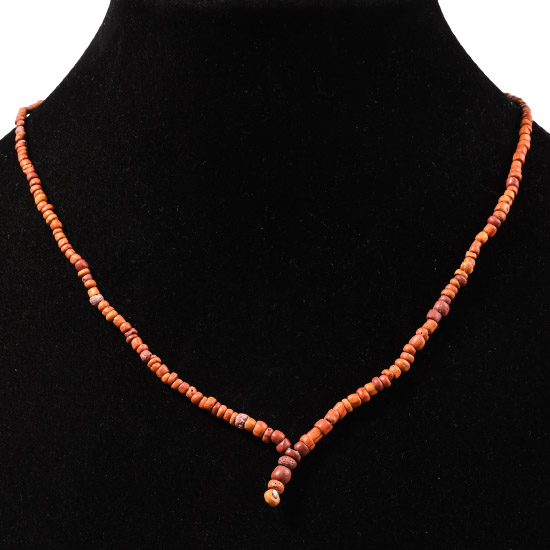
Roman Orange Glass and Other Bead Necklace String
1st-4th century A.D. and laterSold for (Inc. bp): £26
Composed of oblate and annular beads, restrung. 6.7 grams, 39.7 cm
Ex Ancient Art Shop, Windsor, UK, 1990s. Ex private West County, UK, collection. -
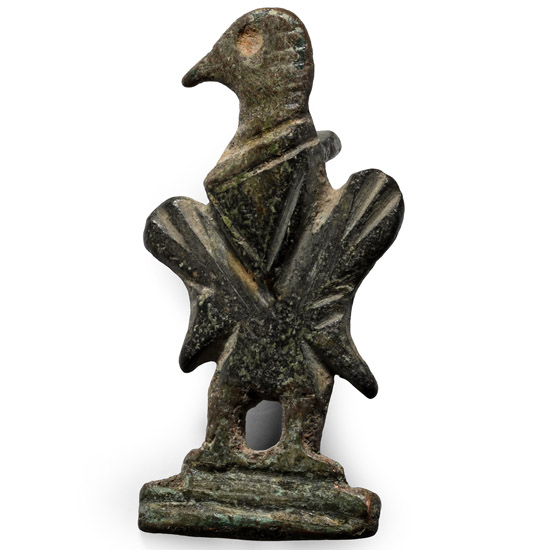
Roman Bronze Eagle Plate Brooch
2nd-3rd century A.D.Sold for (Inc. bp): £78
Formed as a standing eagle facing left, with notched detailing on the body and wings, a pin and catchplate on the reverse. 7 grams, 37 mm
From the private coin collection of a West London, UK, gentleman, formed since the mid 1980s. -
.jpg)
Roman Sidonian Mould Blown Glass Juglet
3rd-4th century A.D.Estimate: £2,000 - 3,000 (+bp*)
Opening Bid: £1,000
With a broad mouth, applied D-section handle and flattened foot, integral bands of vertical corrugation and S-scrolls to the equator. 22.9 grams, 83 mm
Acquired on the UK art market, 1990s. Private collection, New York, USA. This lot has been checked against the Interpol Database of stolen works of art and is accompanied by search certificate number no.13363-255450.
There are several published mould-blown flasks decorated with a tendril scroll around the body, flanked by tongues and petals, a decoration that appears in at least three different variants. They have either one or two handles.
