
Loading, please wait...
LOT 0860
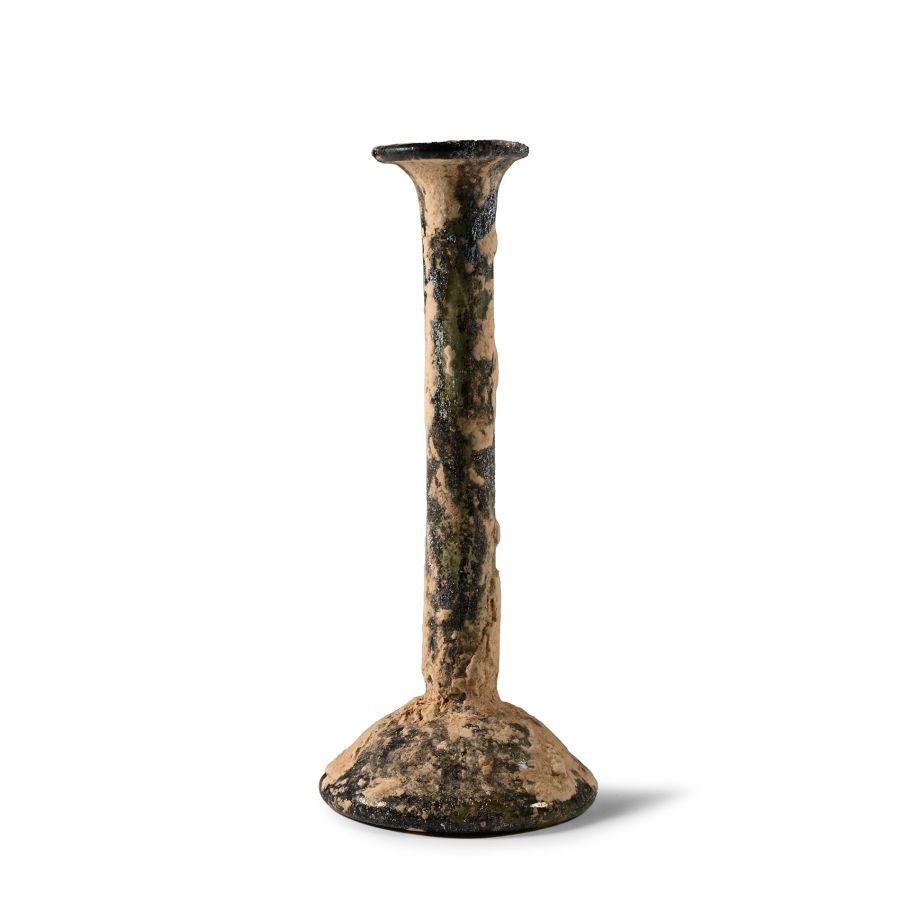
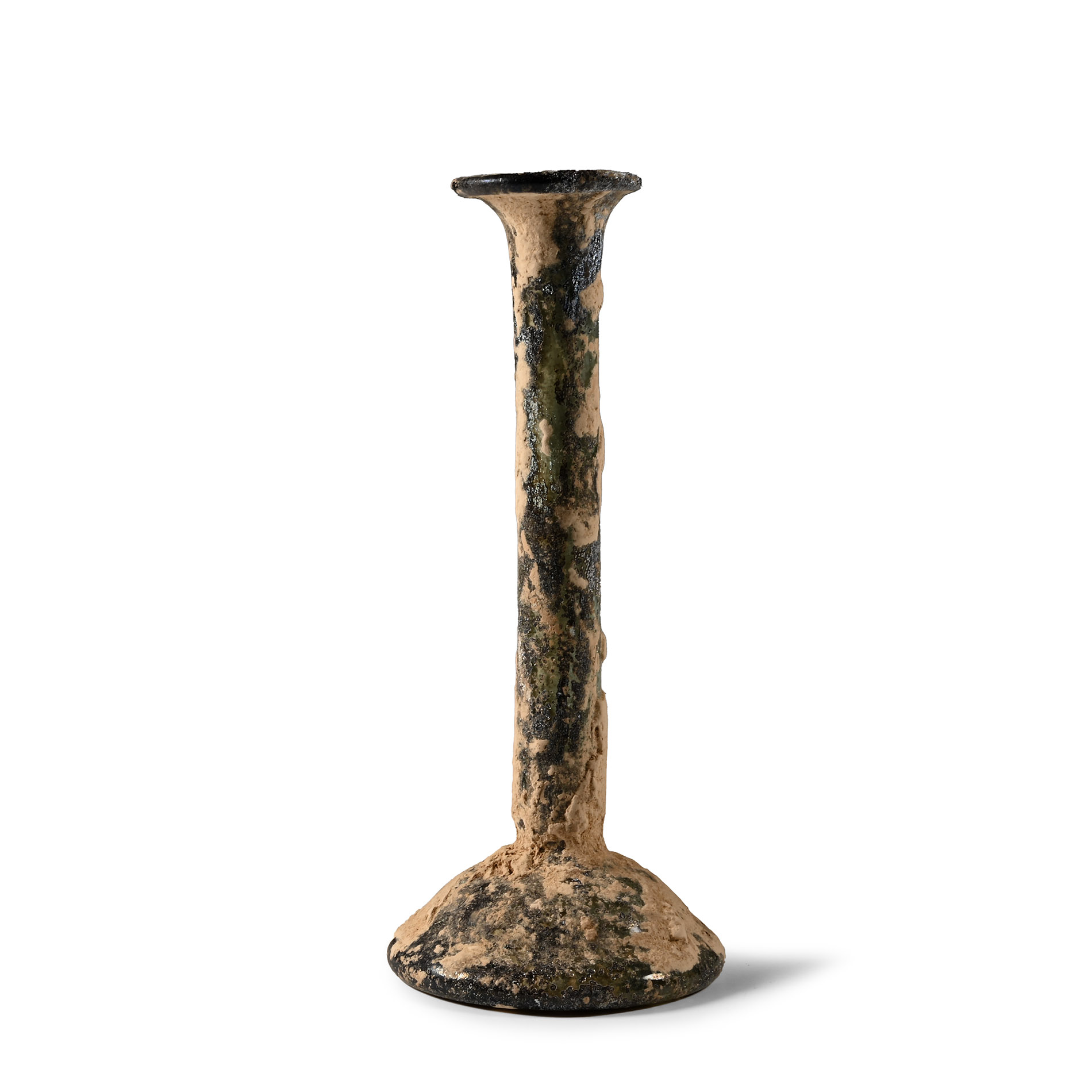
Roman Glass Vessel
1ST-3RD CENTURY A.D.
5 in. (27.6 grams, 12.5 cm).
Tall thin translucent pale green vessel with wide foot and dimpled base, tapering stem and flared rim. [No Reserve]
ProvenanceFrom a London, UK, collection, 1990s.
LiteratureCf. Whitehouse, D., Roman Glass in the Corning Museum of Glass, vol.1, New York, 1997, item 259, for type.
FootnotesSimilar bottles were produced in Roman Cyprus. Hayes had divided the Cypriot products into three classes on the basis of the character of the glass. This example belongs to the third class, i.e. ‘very thin-walled pieces in a pale fabric, almost colourless in parts’.
CONDITIONTimeLine Auctions follows a vetting process to ensure the authenticity and legality of all items, reinforcing our commitment to integrity and responsible trading. Each antiquity, antique, and coin lot undergoes thorough examination by a vetting committee of at least ten external specialists, professional trade association members, scientists, and archaeologists: Our Vetting Process
AUCTIONS:
TimeLine is a leading auction house specialising in antiquities, ancient art, collectables, natural history, coins, medals, and books. Our auctions offer museums, collectors, historians, and enthusiasts the opportunity to acquire unique and historically significant pieces.
-
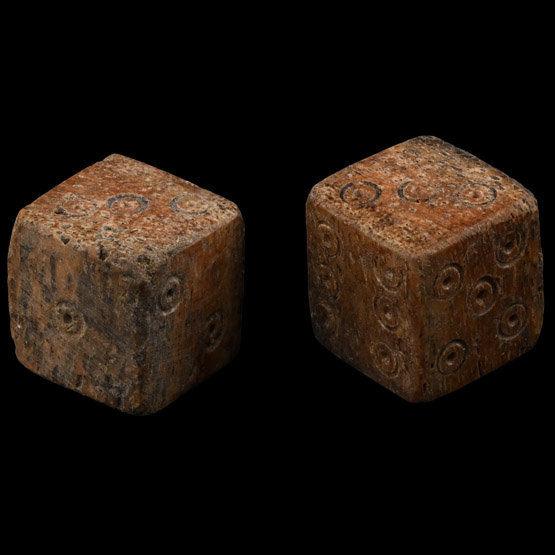
Roman Bone Gaming Dice Pair
1st-2nd century A.D.Sold for (Inc. bp): £312
Each cuboid with ring-and-dot markings disposed 1:6, 2:5, 3:4. 6.57 grams total, 12 mm each
From a Cambridgeshire, UK, collection, 1990s. -
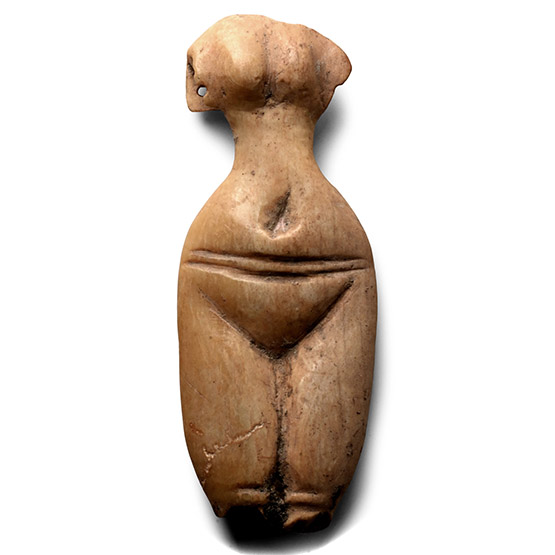
Roman Bone Figurine of a Lady
1st century B.C.-1st century A.D.Sold for (Inc. bp): £364
Carved in the round female torso with incised transverse lines at the hips and knees; domed breasts and incuse navel; slots and suspension hole at the shoulders to accept posable arms; usage wear. 14.7 grams, 68 mm
Private collection, 1990s. Private collection, Switzerland, acquired in 2000. -
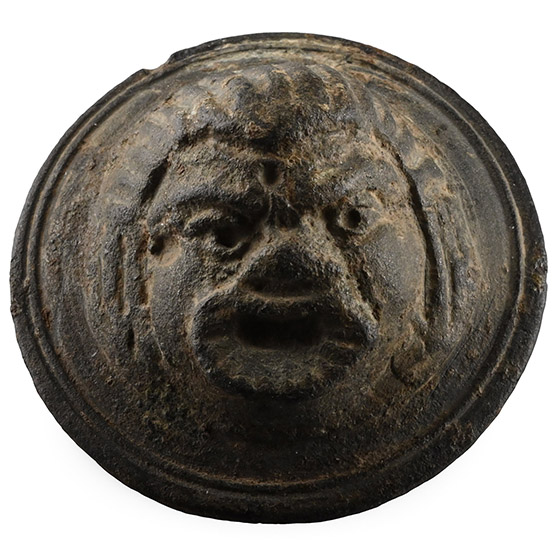
Roman Bronze Applique of Actor's Mask
2nd century A.D.Sold for (Inc. bp): £211
Discoid with flange rim, central high-relief actor's mask with D-shaped mouth. 38.8 grams, 38 mm
Acquired in the 1992. Private collection, Switzerland, thence by descent. Private collection, since the late 1990s.
