
Loading, please wait...

LOT 0917
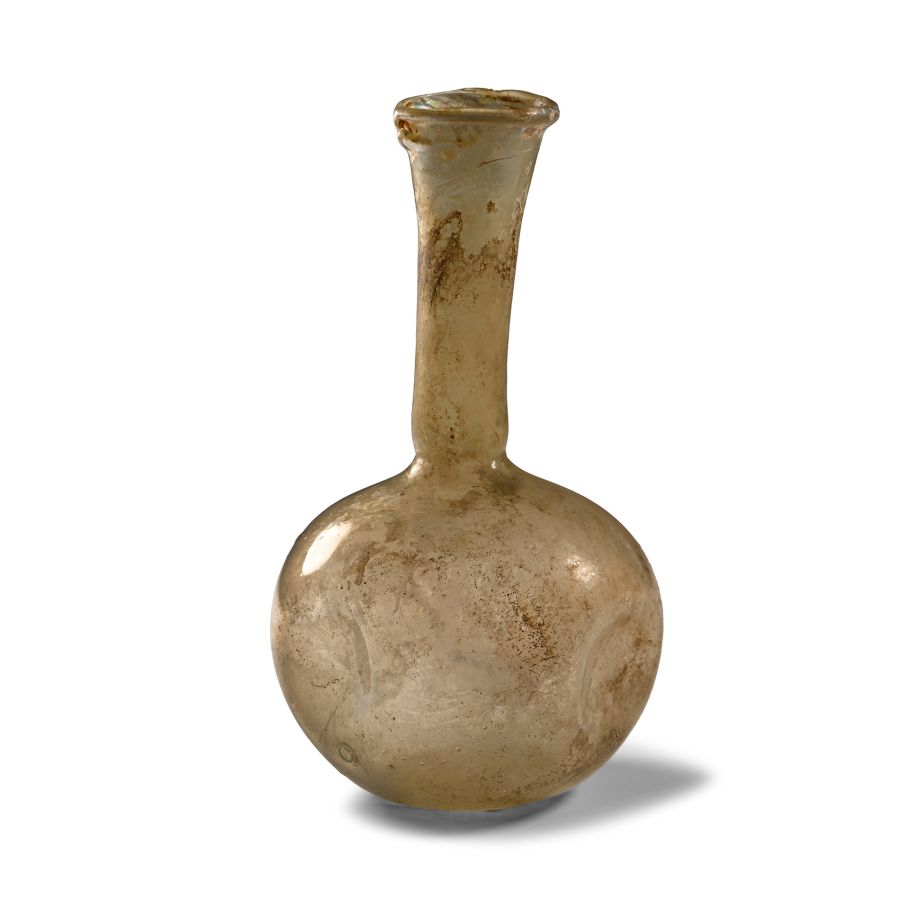
Roman Glass Spherical Bottle
3RD CENTURY A.D.
6 in. (74.5 grams, 15.2 cm).
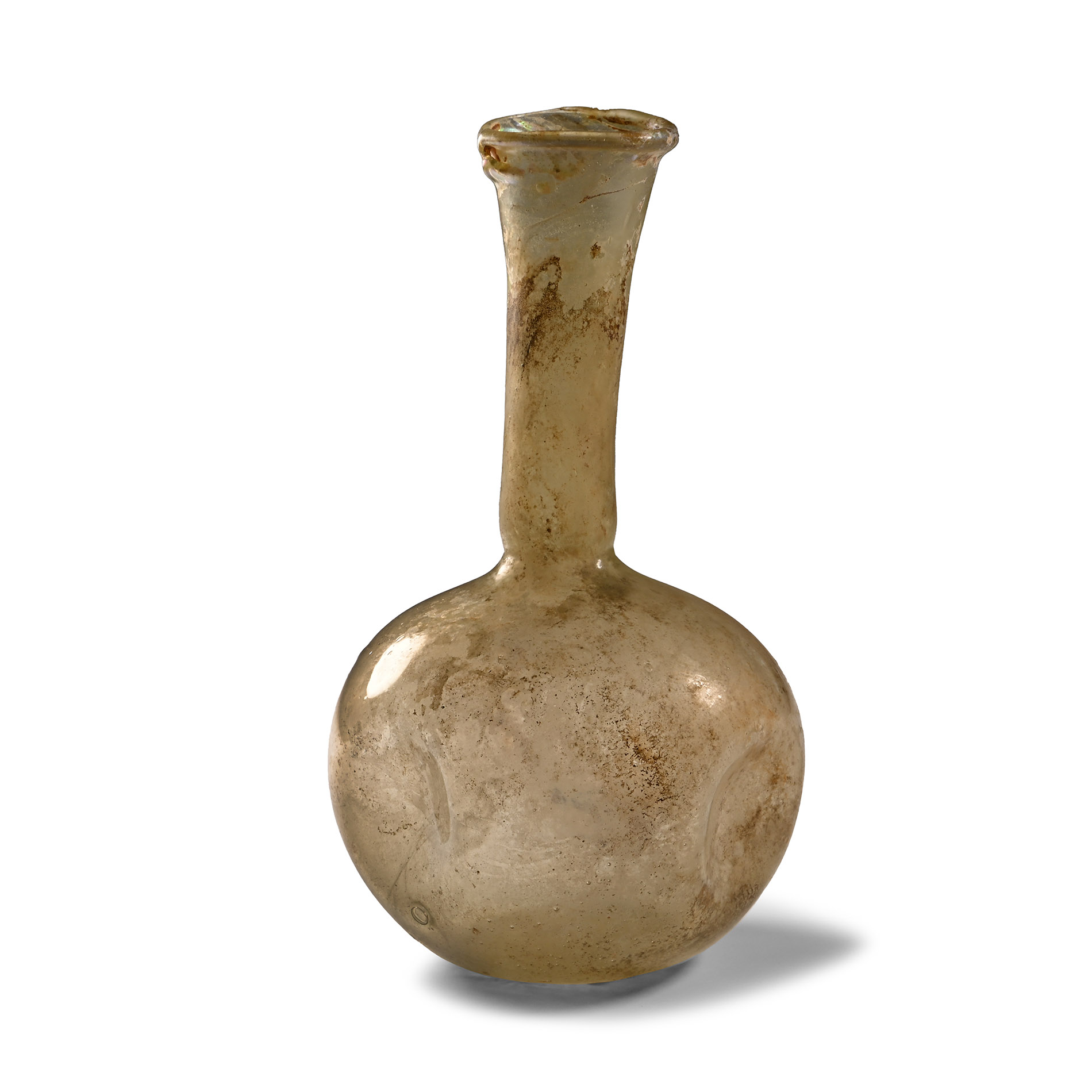
A globular glass vessel with dimple base and five impressed dimples to the equator, tubular neck with flared and rolled rim.
ProvenanceEx W. Kern, Zurich, 1950s-1970s (d.1980s).
Accompanied by a copy of an Art Loss Register certificate no.S00086750.
This lot is accompanied by an illustrated lot declaration signed by the Head of the Antiquities Department, Dr Raffaele D’Amato.
TimeLine Auctions follows a vetting process to ensure the authenticity and legality of all items, reinforcing our commitment to integrity and responsible trading. Each antiquity, antique, and coin lot undergoes thorough examination by a vetting committee of at least ten external specialists, professional trade association members, scientists, and archaeologists: Our Vetting Process
AUCTIONS:
TimeLine is a leading auction house specialising in antiquities, ancient art, collectables, natural history, coins, medals, and books. Our auctions offer museums, collectors, historians, and enthusiasts the opportunity to acquire unique and historically significant pieces.
LOT 0917
Roman Glass Spherical Bottle
Estimate £400 - 600€460 - 700 (for guidance only)$540 - 810 (for guidance only)
-
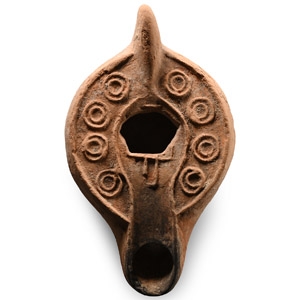
Roman Redware Oil Lamp
4th century A.D.Sold for (Inc. bp): £111
Low profile lamp with lug handle and short stub nozzle; group of eight annulets to the shoulder; old collector's label. 134 grams, 12.7 cm
Ex Rheinland collection, before 2000. This lot is accompanied by an illustrated lot declaration signed by the Head of the Antiquities Department, Dr Raffaele D’Amato. -
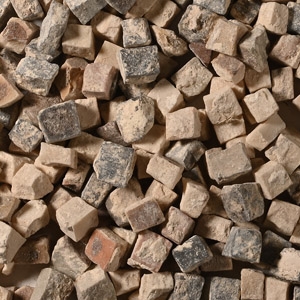
Roman Mosaic Stone Tesserae Group
1st-4th century A.D.Sold for (Inc. bp): £130
A mixed group of two hundred and fifty single tesserae of various colours and sizes, mostly cuboid. 336 grams total, 9-14 mm
From a collection acquired on the UK art market from various auction houses and collections mostly before 2000. From an important Cambridgeshire estate; thence by descent. This lot is accompanied by an illustrated lot declaration signed by the Head of the Antiquities Department, Dr Raffaele D’Amato.
Roman mosaics were made from small cubes of natural stone and terracotta possibly cut from tile or brick. Each of these small cubes was called a tessera (several tesserae) from the Latin word for dice. -
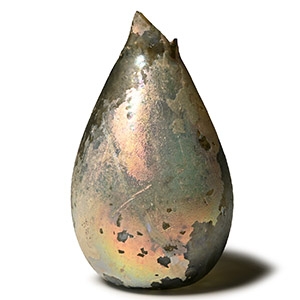
Roman Fragmentary Bottle with Iridescence
1st century A.D.Sold for (Inc. bp): £156
Bulbous body from an unguentarium; old collector's label to underside 'N10941'. 14.3 grams, 61 mm
Ex B.D., acquired in the 1930s. Accompanied by a copy of an Art Loss Register certificate no.S00075600. This lot is accompanied by an illustrated lot declaration signed by the Head of the Antiquities Department, Dr Raffaele D’Amato.
The specimen represents an unguentarium, usually a perfume bottle. However, many of the herbs used by Romans for cosmetics - henna, iris, and saffron, had medicinal value as well, so it is not surprising that bottles that so often assumed to have been containing perfumes were sometimes employed for the storage of astringents and soothing lotions.
