
Loading, please wait...
LOT 0759
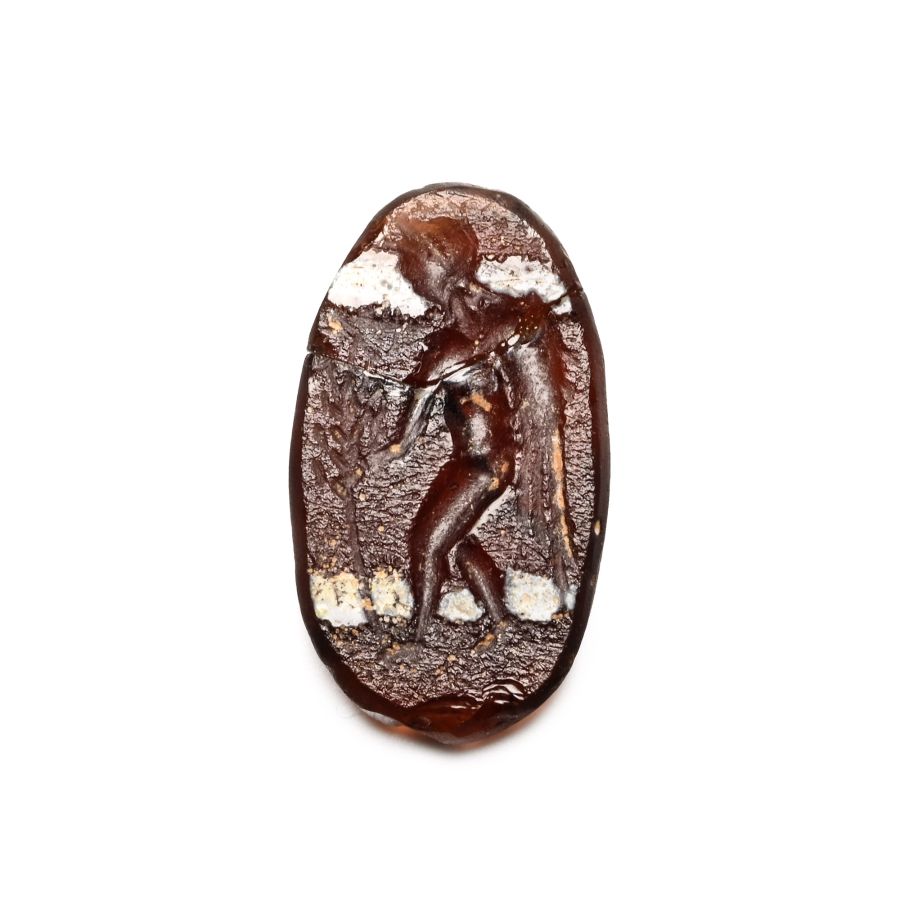
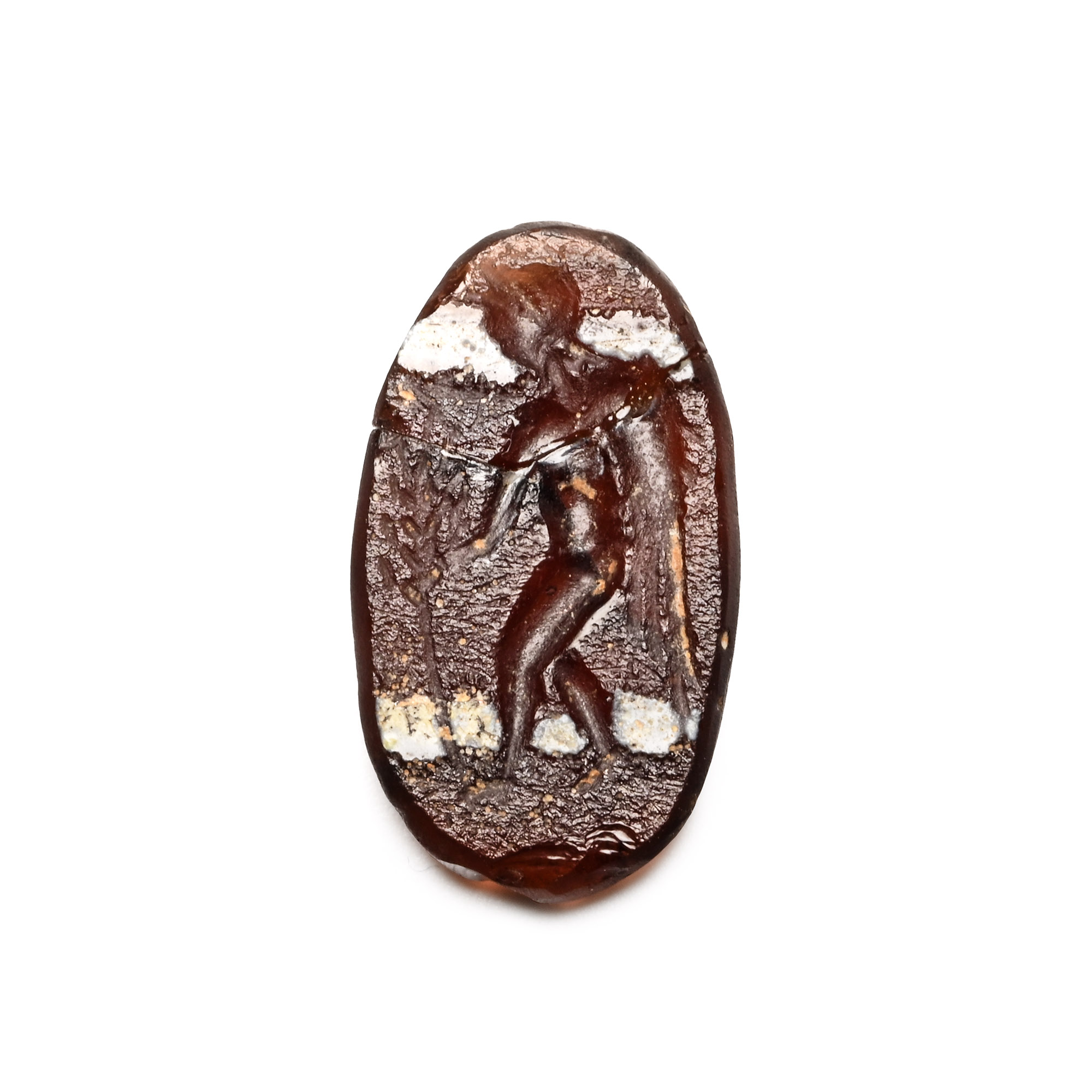
Roman Glass Gemstone with Winged Figure of Eros
1ST CENTURY B.C.-1ST CENTURY A.D.
5/8 in. (0.78 grams, 18 mm).
Ellipsoid type with incuse design of winged naked Eros advancing towards a small tree. [No Reserve]
ProvenanceFrom the private collection of a European gentleman (1942-2024), formed since the 1970s.
LiteratureCf. for classical prototypes Boardman, J., Greek Gems and Finger Rings, Early Bronze Age to Late Classical, London, 1970 (2001), no.782.
CONDITIONTimeLine Auctions follows a vetting process to ensure the authenticity and legality of all items, reinforcing our commitment to integrity and responsible trading. Each antiquity, antique, and coin lot undergoes thorough examination by a vetting committee of at least ten external specialists, professional trade association members, scientists, and archaeologists: Our Vetting Process
AUCTIONS:
TimeLine is a leading auction house specialising in antiquities, ancient art, collectables, natural history, coins, medals, and books. Our auctions offer museums, collectors, historians, and enthusiasts the opportunity to acquire unique and historically significant pieces.
-
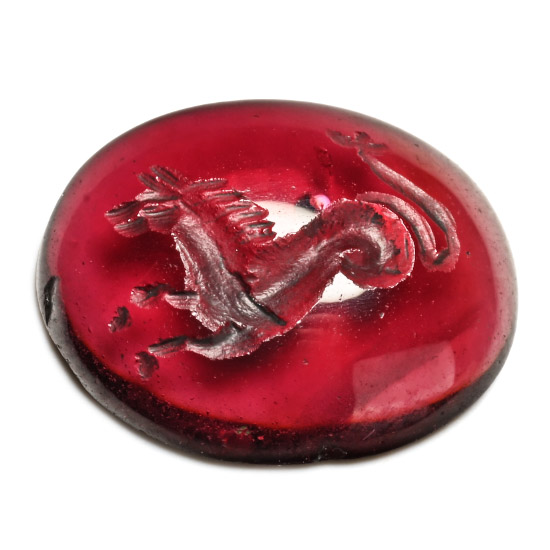
Roman Garnet Gemstone with Hippocamp
2nd-3rd century A.D.Sold for (Inc. bp): £156
A dark purplish-red cabochon with hippocamp facing left. 0.46 grams, 9.9 mm
From the private collection of a European gentleman (1942-2024), formed since the 1970s. -
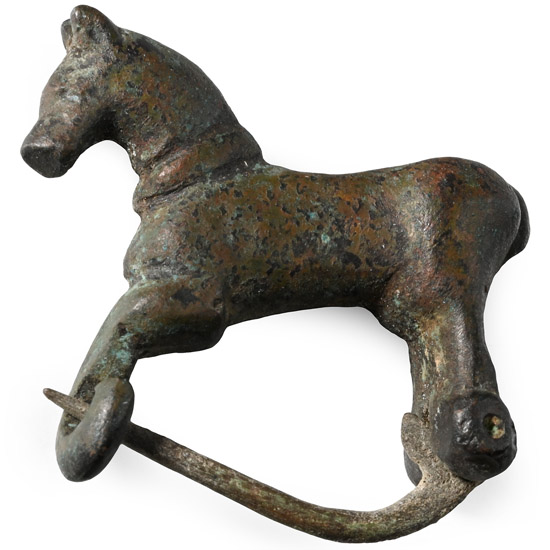
Roman Bronze Horse Brooch
2nd-3rd century A.D.Sold for (Inc. bp): £442
Bow brooch formed as a horse modelled in the round with a halter to the neck; fore-legs forming the catch, rear legs with a transverse bar and hinged pin beneath. 14.9 grams, 28 mm
From the private coin collection of a West London, UK, gentleman, formed since the mid 1980s. -
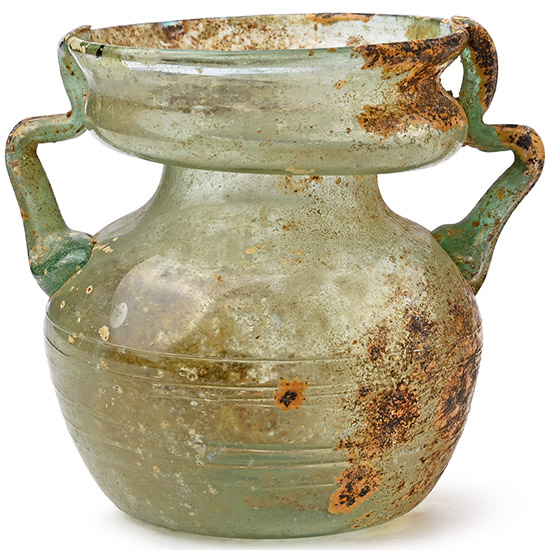
Roman Green Glass Handled Jar
2nd-3rd century A.D.Estimate: £400 - 600 (+bp*)
Opening Bid: £200
With a dimpled base, bulbous body with a carinated flange to the neck and a broad mouth, applied lateral handles. 74.4 grams, 95 mm wide
From an important London, UK, collection 1980-2020.
