
Loading, please wait...
LOT 0751
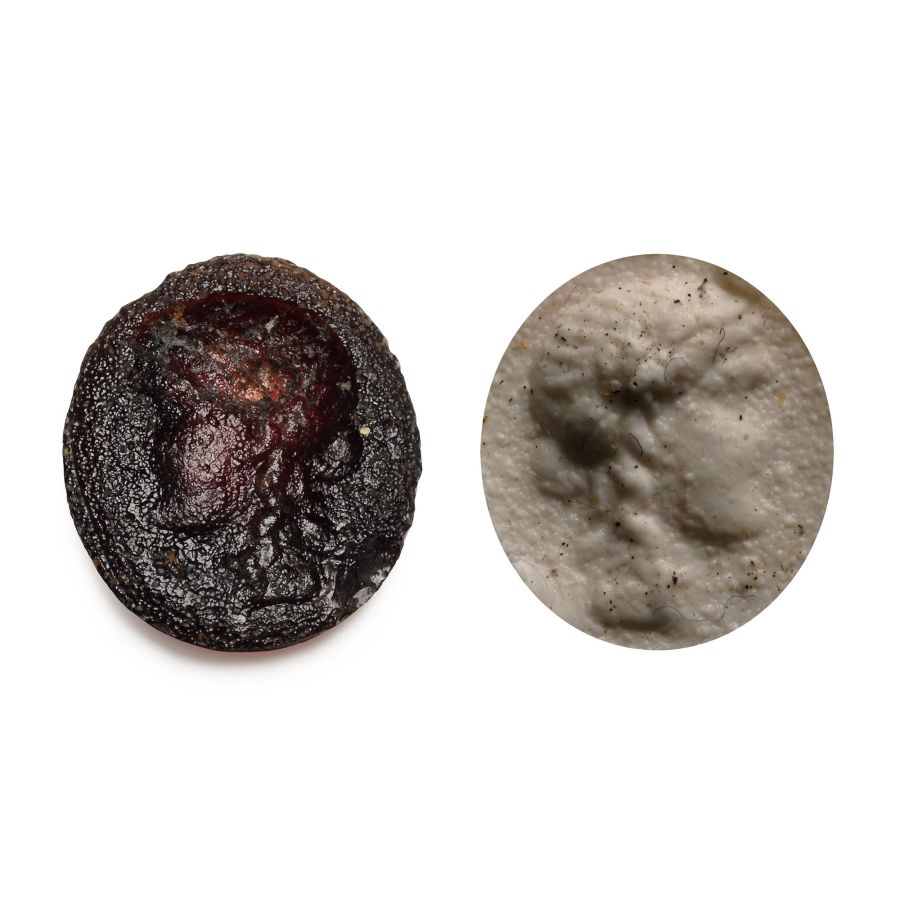
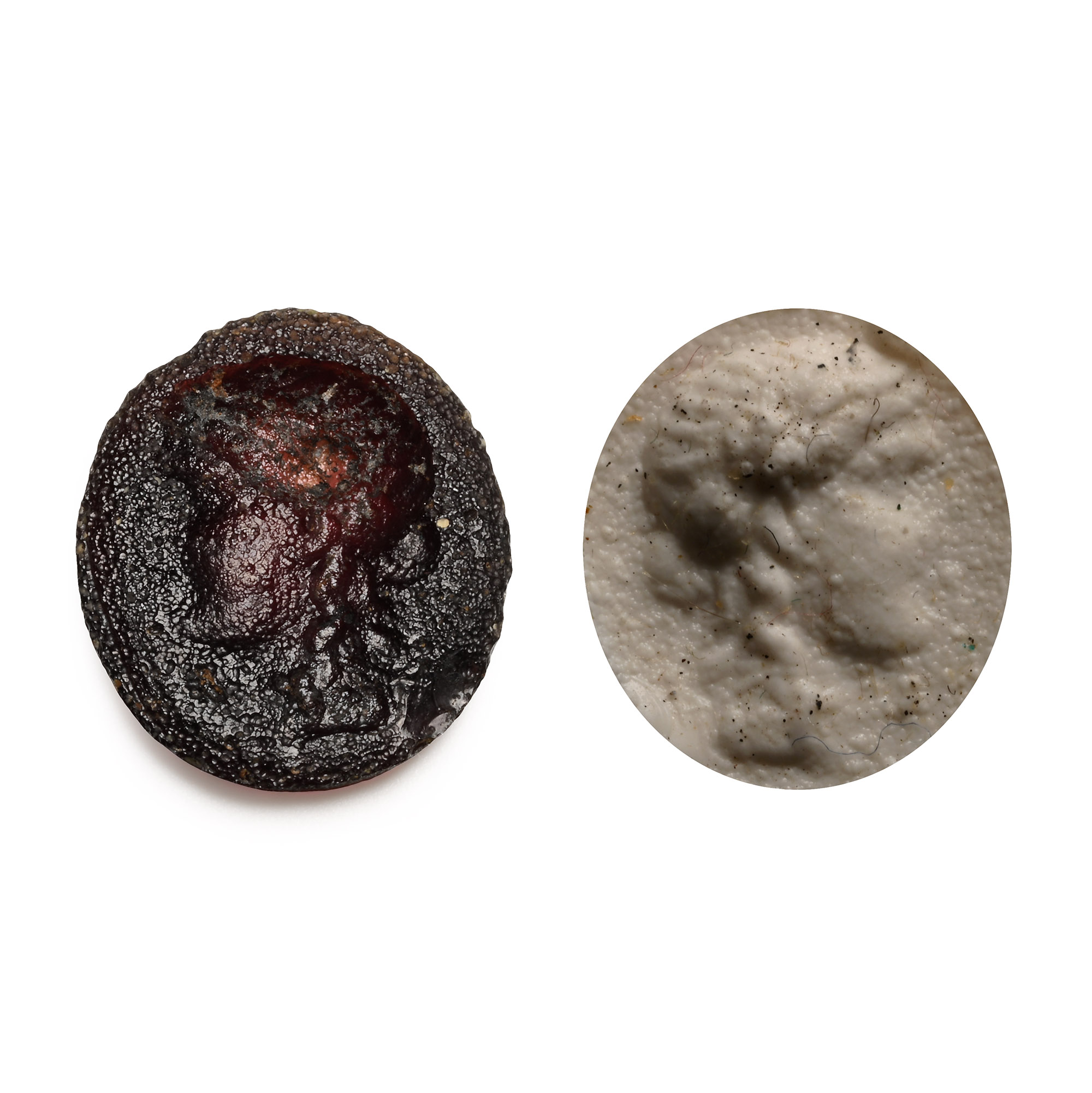
Roman Glass Gem with Female Bust
2ND-3RD CENTURY A.D.
1/2 in. (0.48 grams, 13.38 mm).
With intaglio female bust in profile with wreath to the brow; supplied with a museum-quality impression. [No Reserve]
ProvenanceFrom the private collection of a European gentleman (1942-2024), formed since the 1970s.
CONDITIONTimeLine Auctions follows a vetting process to ensure the authenticity and legality of all items, reinforcing our commitment to integrity and responsible trading. Each antiquity, antique, and coin lot undergoes thorough examination by a vetting committee of at least ten external specialists, professional trade association members, scientists, and archaeologists: Our Vetting Process
AUCTIONS:
TimeLine is a leading auction house specialising in antiquities, ancient art, collectables, natural history, coins, medals, and books. Our auctions offer museums, collectors, historians, and enthusiasts the opportunity to acquire unique and historically significant pieces.
-

Roman Bronze Statuette of a Wild Boar
1st-2nd century A.D.Sold for (Inc. bp): £910
Modelled in the round with ridge of bristles along the spine. 51.26 grams, 52 mm
UK private collection before 2000. Acquired on the UK art market. Private collection, London, UK. -
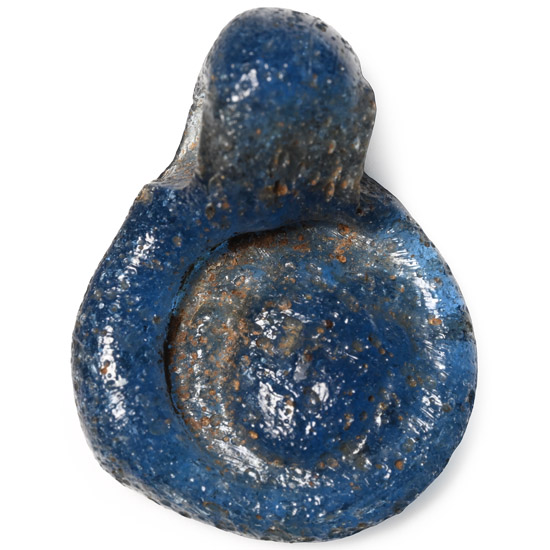
Roman Glass Pendant with Head of Medusa
2nd-3rd century A.D.Sold for (Inc. bp): £46
Cobalt blue discoid pendant with an impressed face of Medusa with coiled snakes framing her face. 1.70 grams, 21.47 mm
From the private collection of a European gentleman (1942-2024), formed since the 1970s. -
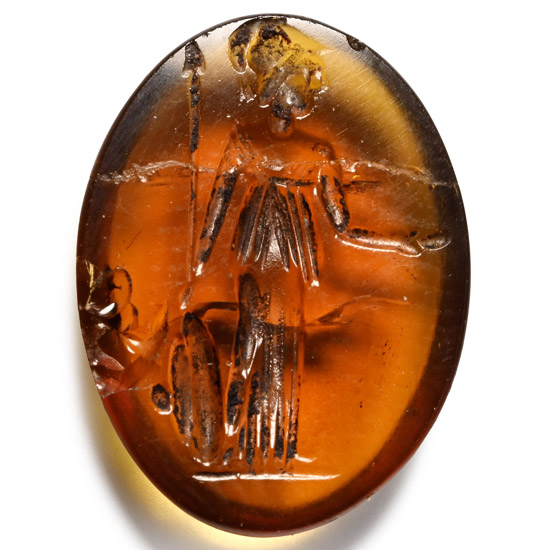
Roman Gemstone with Minerva
2nd century A.D.Estimate: £150 - 200 (+bp*)
Opening Bid: £70
Plano-convex in section with incuse image of Minerva standing with one hand extended, holding her spear and shield. 1.18 grams, 17 mm
Acquired 1970s-1996. Property of a North American collector. London collection, 2016.
In Rome, the Athena Promachos type occurs on imperial silver medallions of Domitian (struck in 92 AD), since Minerva was his personal protector. On gems, it became very common from the end of the 1st century BC onwards, even on the magical gemstones.
