
Loading, please wait...
LOT 0887
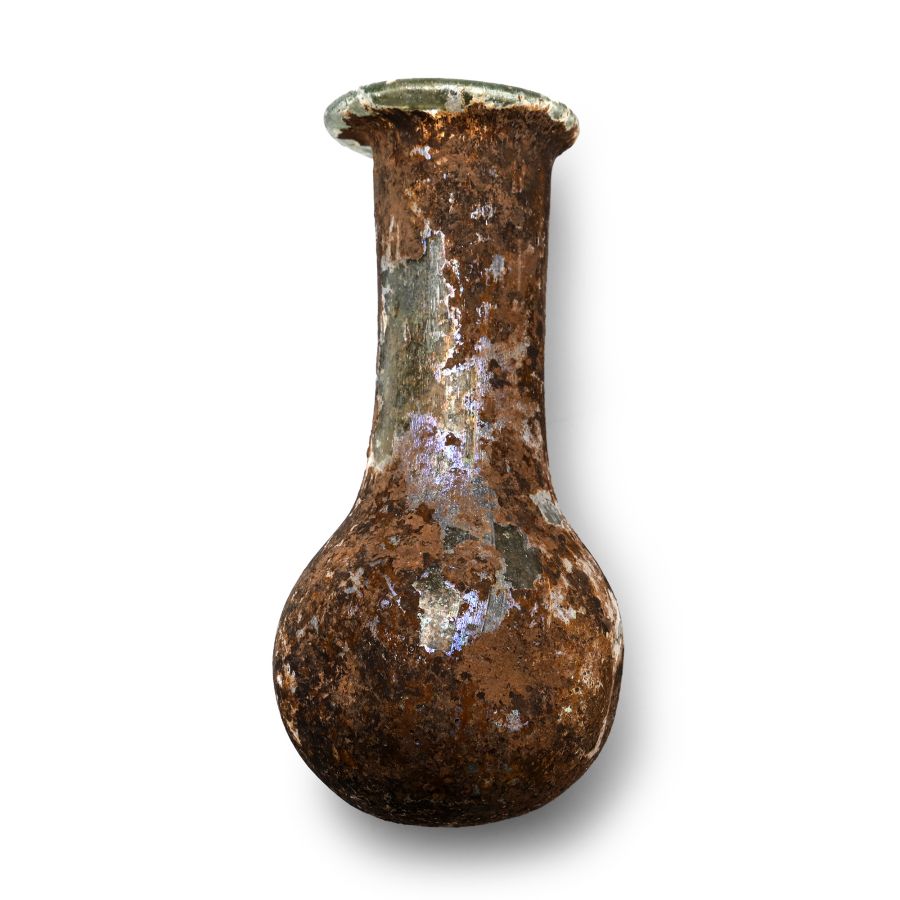
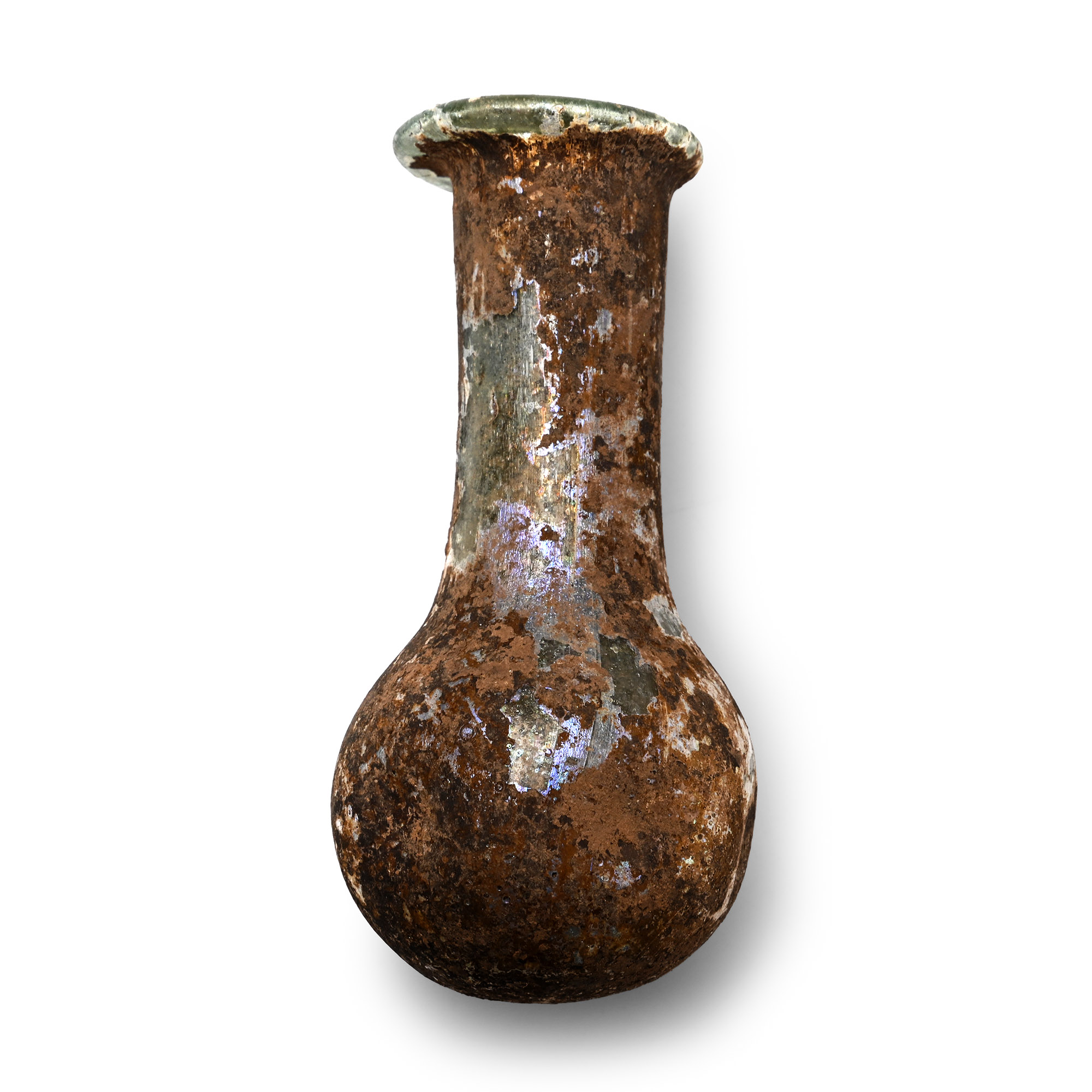
Roman Glass Flask
CIRCA 1ST-4TH CENTURY A.D.
3 1/2 in. (23 grams, 89 mm).
Bulbous body, cylindrical tall neck and everted rim. [No Reserve]
ProvenanceFrom a London, UK, collection of glass, 1970-2000s.
CONDITIONTimeLine Auctions follows a vetting process to ensure the authenticity and legality of all items, reinforcing our commitment to integrity and responsible trading. Each antiquity, antique, and coin lot undergoes thorough examination by a vetting committee of at least ten external specialists, professional trade association members, scientists, and archaeologists: Our Vetting Process
AUCTIONS:
TimeLine is a leading auction house specialising in antiquities, ancient art, collectables, natural history, coins, medals, and books. Our auctions offer museums, collectors, historians, and enthusiasts the opportunity to acquire unique and historically significant pieces.
-
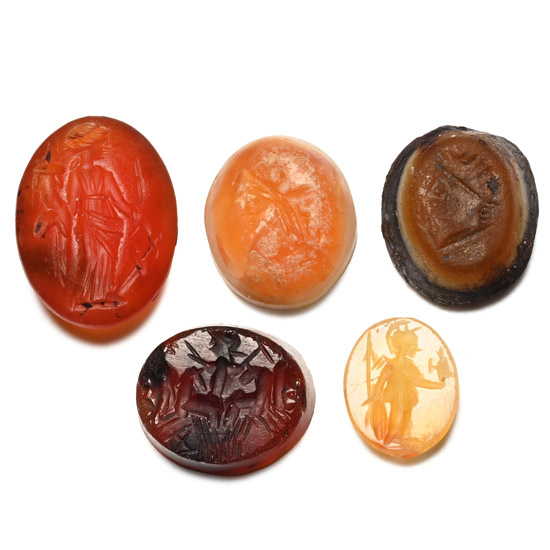
Roman Gemstone Collection
2nd-3rd century A.D.Estimate: £400 - 600 (+bp*)
Opening Bid: £220
Including profile bust, standing figure and other types; each supplied with a museum-quality impression. 3.89 grams total, 9-14 mm
From the collection of a gentleman, acquired on the London art market in the 1990s.
The collection includes a gemstone with Fortuna holding Cornucopia, another gemstone with Athena Promachos, a further gemstone with Helios driving his radiant chariot, and two portraits looking left. -
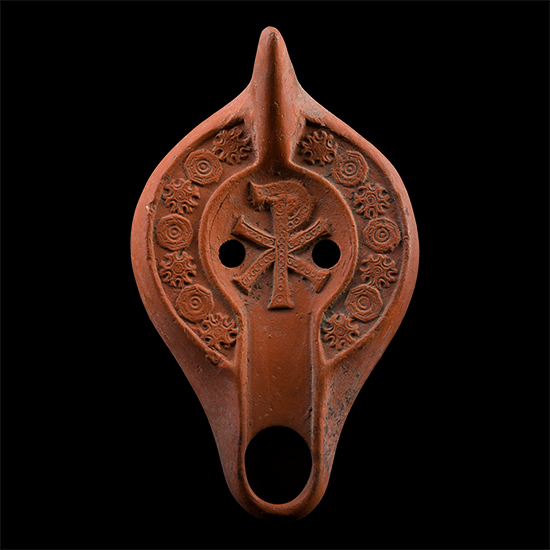
Late Roman Red Ware Oil Lamp with Chi Rho
Circa 5th century A.D.Sold for (Inc. bp): £780
Broad body with lug handle at the rear, shoulder with a border of rosettes and stars, two filler holes to discus flanking a Christogram with annulet detailing. 174 grams, 13.8 cm
From the private collection of Mr Brian Edwards, New Malden, Surrey, UK, formed from the late 1970s-early 1980s; thence by descent, with collector's reference no.A37. -
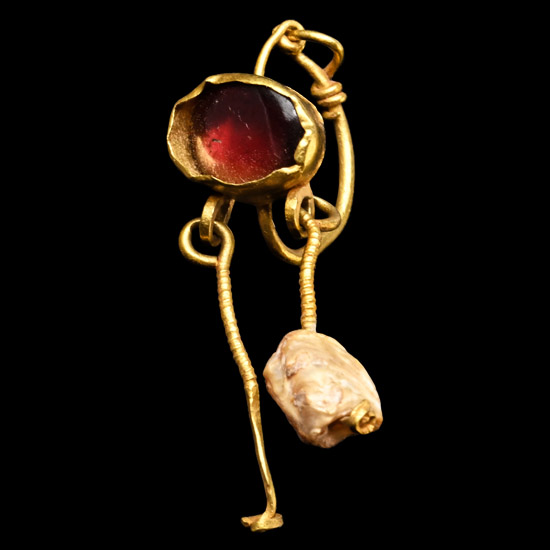
Roman Gold Earring with Garnet
1st-4th century A.D.Sold for (Inc. bp): £780
Comprising a slender loop with an oval cell set with a garnet cabochon, two drops below, one with a glass bead. 1.28 grams, 29.9 mm
From the private collection of a European gentleman (1942-2024), formed since the 1970s.
