
Loading, please wait...
LOT 0760
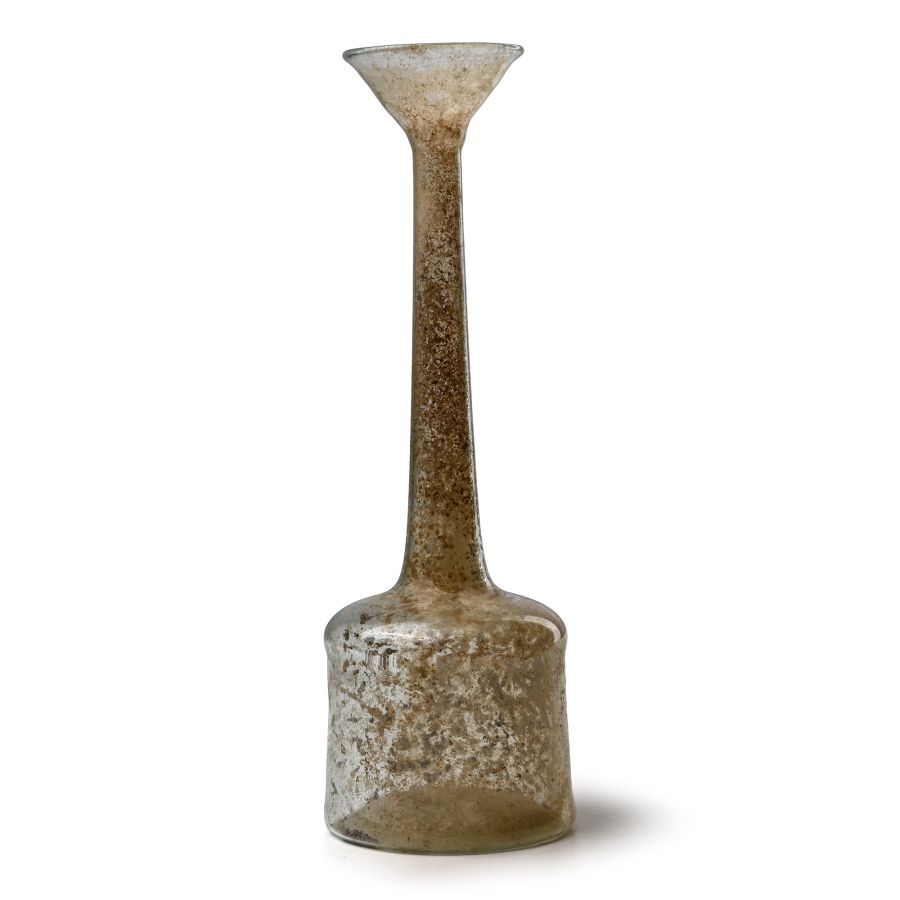
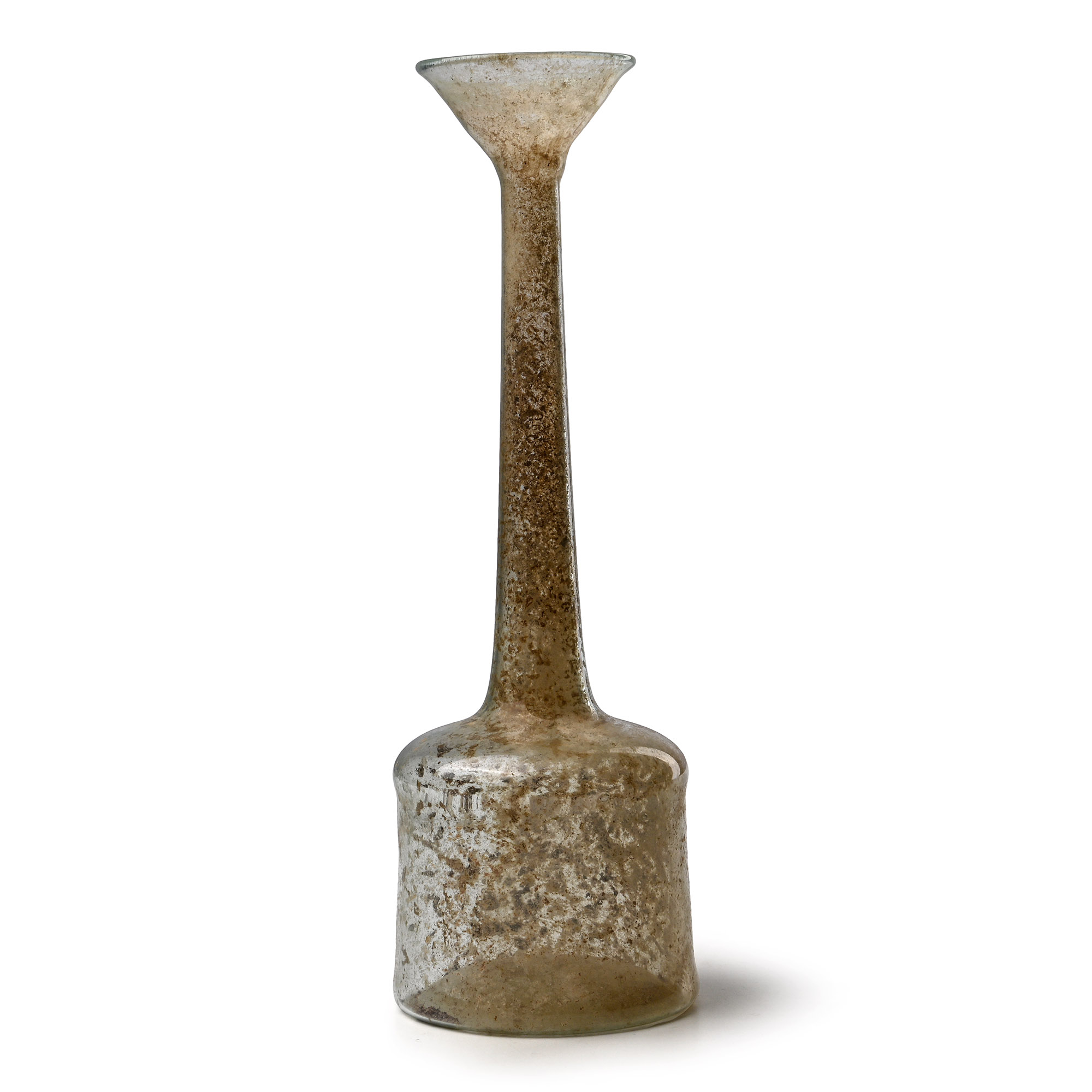
Roman Glass Flask
CIRCA 1ST-4TH CENTURY A.D.
7 3/4 in. (58 grams, 19.6 cm).
Squat body with long tubular tapering neck and wide trumpet-stype rim.
ProvenanceFrom a London, UK, collection of glass, 1970-2000s.
CONDITIONTimeLine Auctions follows a vetting process to ensure the authenticity and legality of all items, reinforcing our commitment to integrity and responsible trading. Each antiquity, antique, and coin lot undergoes thorough examination by a vetting committee of at least ten external specialists, professional trade association members, scientists, and archaeologists: Our Vetting Process
AUCTIONS:
TimeLine is a leading auction house specialising in antiquities, ancient art, collectables, natural history, coins, medals, and books. Our auctions offer museums, collectors, historians, and enthusiasts the opportunity to acquire unique and historically significant pieces.
-
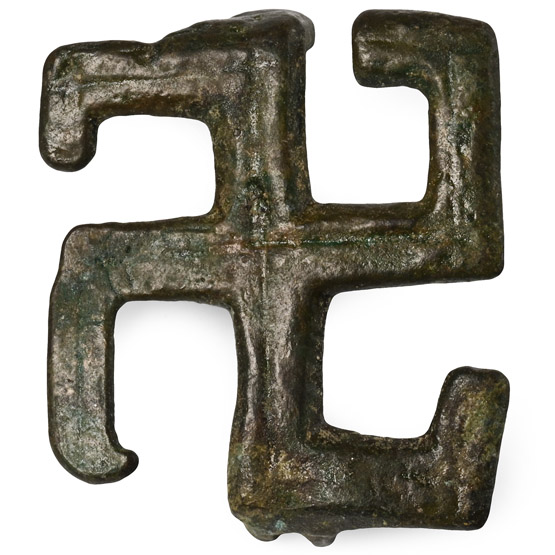
Roman Bronze Fylfot Brooch
4th century A.D. or laterSold for (Inc. bp): £85
Plate brooch formed as a gammadion with four spurs at the hub, hinged pin and catch to the reverse. 8.19 grams, 32 mm
Ex German art market, 2000s. Acquired from an EU collector living in London. From the collection of a Surrey, UK, gentleman. -
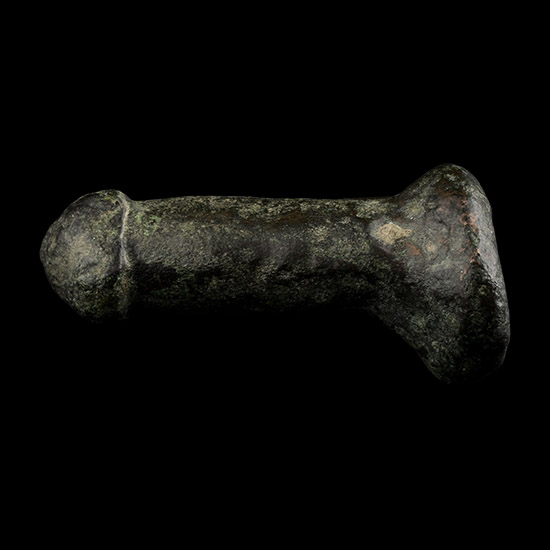
Roman Bronze Mount with Phallus
2nd-3rd century A.D.Sold for (Inc. bp): £59
With discoid base, angled stem and ridged finial. 26.9 grams, 37 mm
Ex German art market, 2000s. Acquired from an EU collector living in London. From the collection of a Surrey, UK, gentleman. -
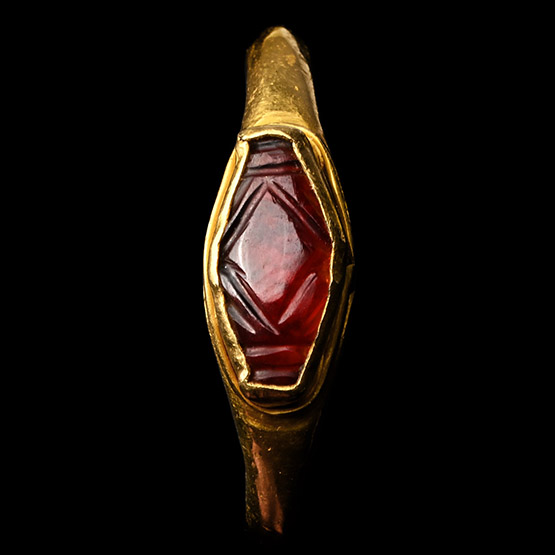
Gold Ring with Elliptical Garnet
Roman, 1st century B.C.-1st century A.D. or laterEstimate: £2,500 - 3,500 (+bp*)
Opening Bid: £1,250
Comprising a substantial keeled hoop and raised bezel set with a garnet, the garnet with a central lozenge flanked by two transverse lines, the ring shape is characteristic of Augustan rings. 8.36 grams, 25.87 mm overall, 19.48 mm internal diameter (approximate size British P 1/2, USA 7 3/4, Europe 16.86, Japan 16)
Private English collection. Private collection, UK. This lot has been checked against the Interpol Database of stolen works of art and is accompanied by search certificate number no.12955-245984.
The ring type is characteristic of the Augustan Period, and two further examples are documented by the Romisch-Germanisches Zentralmuseum in Mainz.
