
Loading, please wait...
LOT 0738
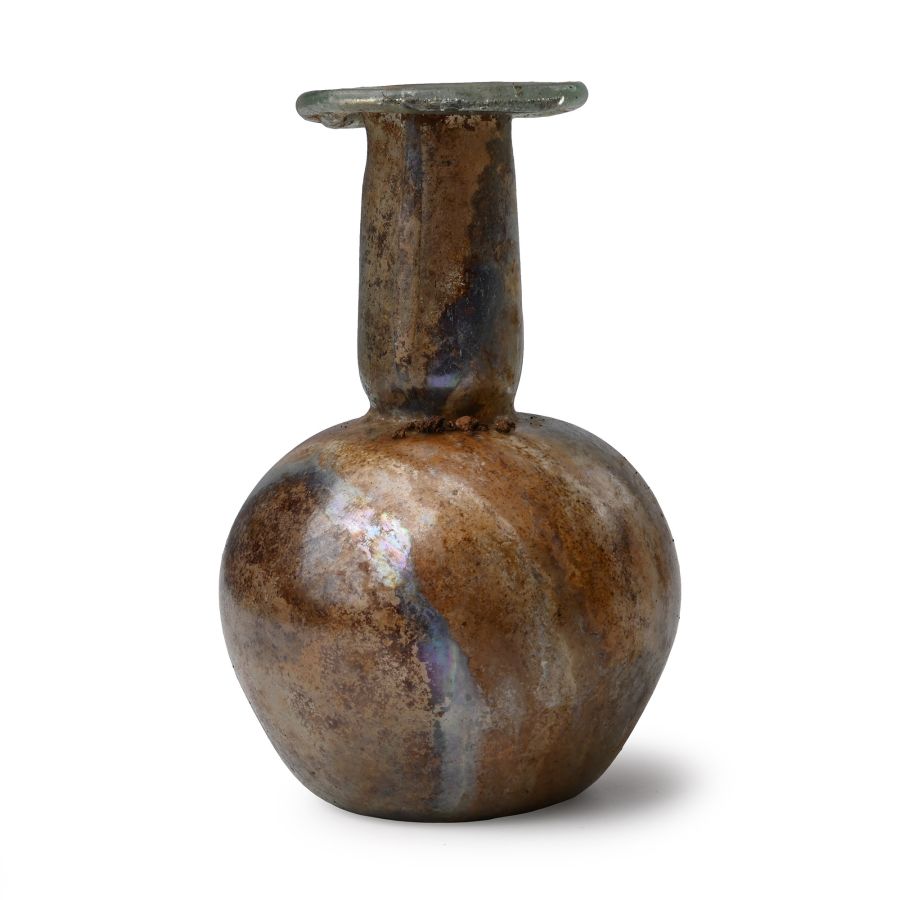
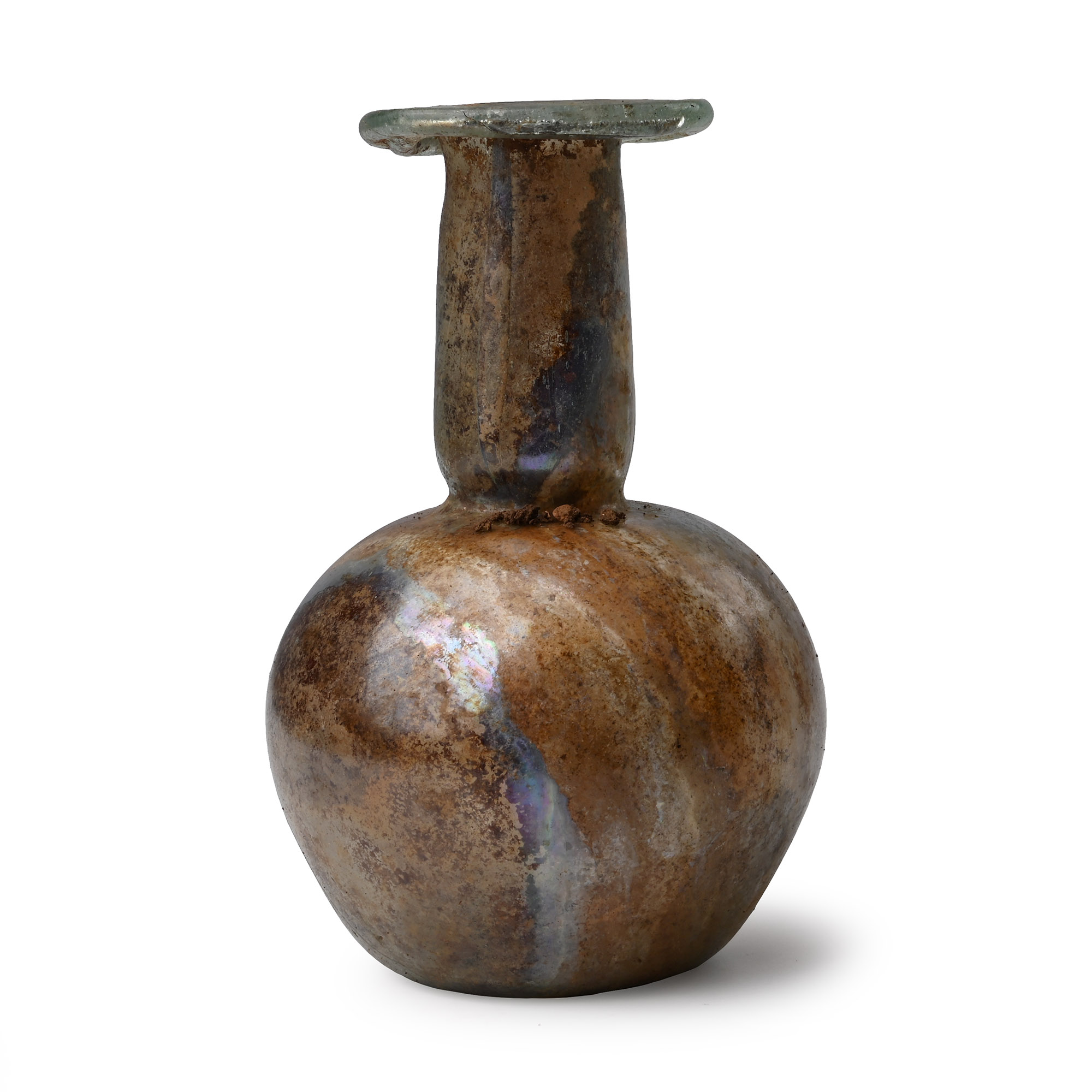
Roman Glass Flask
CIRCA 1ST-4TH CENTURY A.D.
4 1/8 in. (56 grams, 10.6 cm).
With bulbous body and dimple to the base, short tubular neck and broad flange rim.
ProvenanceFrom a London, UK, collection of glass, 1970-2000s.
CONDITIONTimeLine Auctions follows a vetting process to ensure the authenticity and legality of all items, reinforcing our commitment to integrity and responsible trading. Each antiquity, antique, and coin lot undergoes thorough examination by a vetting committee of at least ten external specialists, professional trade association members, scientists, and archaeologists: Our Vetting Process
AUCTIONS:
TimeLine is a leading auction house specialising in antiquities, ancient art, collectables, natural history, coins, medals, and books. Our auctions offer museums, collectors, historians, and enthusiasts the opportunity to acquire unique and historically significant pieces.
-
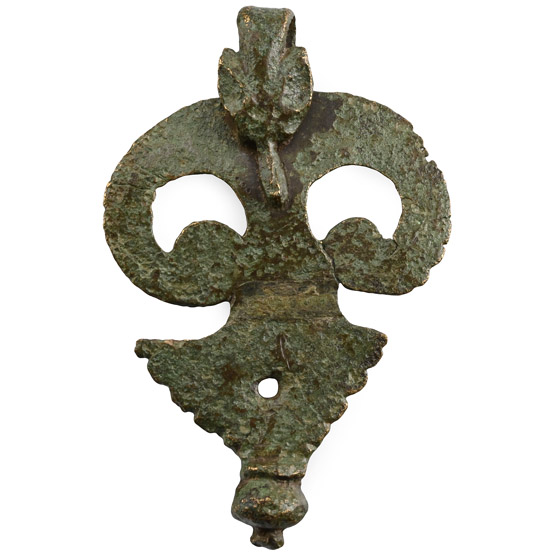
Roman Bronze Military Pendant
Circa 2nd-3rd century A.D.Sold for (Inc. bp): £33
Formed as a leaf with lobed scrolls above, looped suspension point with wolf-head detailing; knop finial below. 4.66 grams, 46.6 mm
Ex German art market, 2000s. Acquired from an EU collector living in London. From the collection of a Surrey, UK, gentleman. -
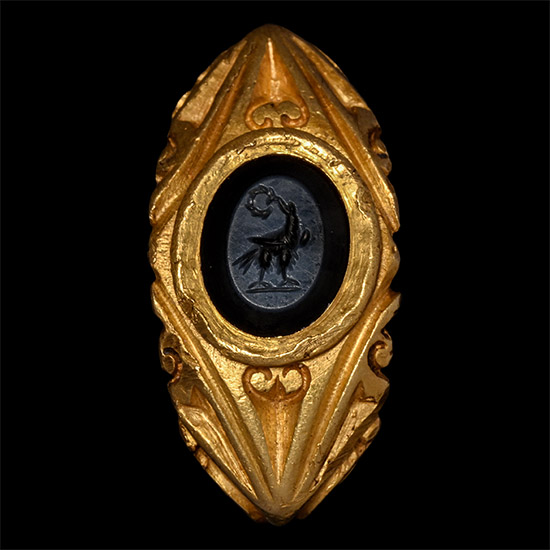
Massive Roman Gold Ring with Nicolo Intaglio of an Imperial Eagle
3rd century A.D.Sold for (Inc. bp): £10,400
Architectural in form with carved scrolls and gadrooning, set with a nicolo intaglio of an eagle, stood upon a ground line with a laurel wreath clutched in its beak. 28.30 grams, 35.39 mm overall, 21.58 x 15.31 mm internal diameter (approximate size British M, USA 6, Europe 12.46, Japan 12)
English private collection, formed in the early 20th century. Private collection, London, UK. This lot has been checked against the Interpol Database of stolen works of art and is accompanied by search certificate number no.13120-248411.
The eagle was a symbol of imperial power in ancient Rome, representing courage, strength, and immortality. It was also featured on the standard of the Roman legions, carried into battle by the Aquilifer, a highly prestigious position in the Roman army. -
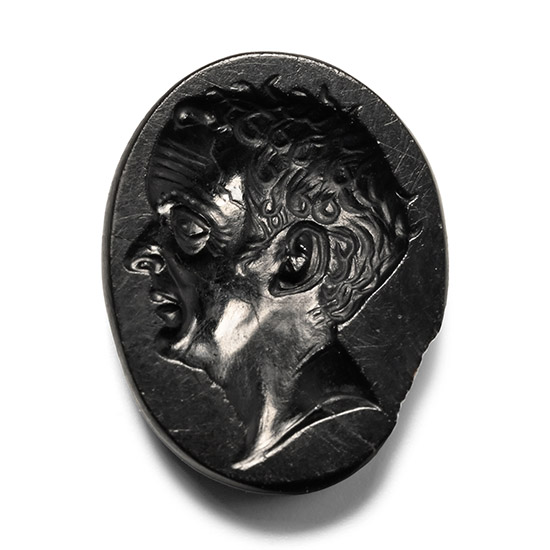
Roman Black Jasper Gemstone of a Republican Portrait
1st century B.C.Sold for (Inc. bp): £3,900
Ellipsoid inlay with incuse profile bust of an elderly man with thinning curly hair, wrinkled brow and hollow cheeks; supplied with a museum-quality impression. 0.91 grams, 17 mm
Private English collection, formed between the late 1970s and early 1990s. Private collection, London, UK.
The piece has been restored after having been split into two parts, retaining a chip on the edge.
