
Loading, please wait...
LOT 0713
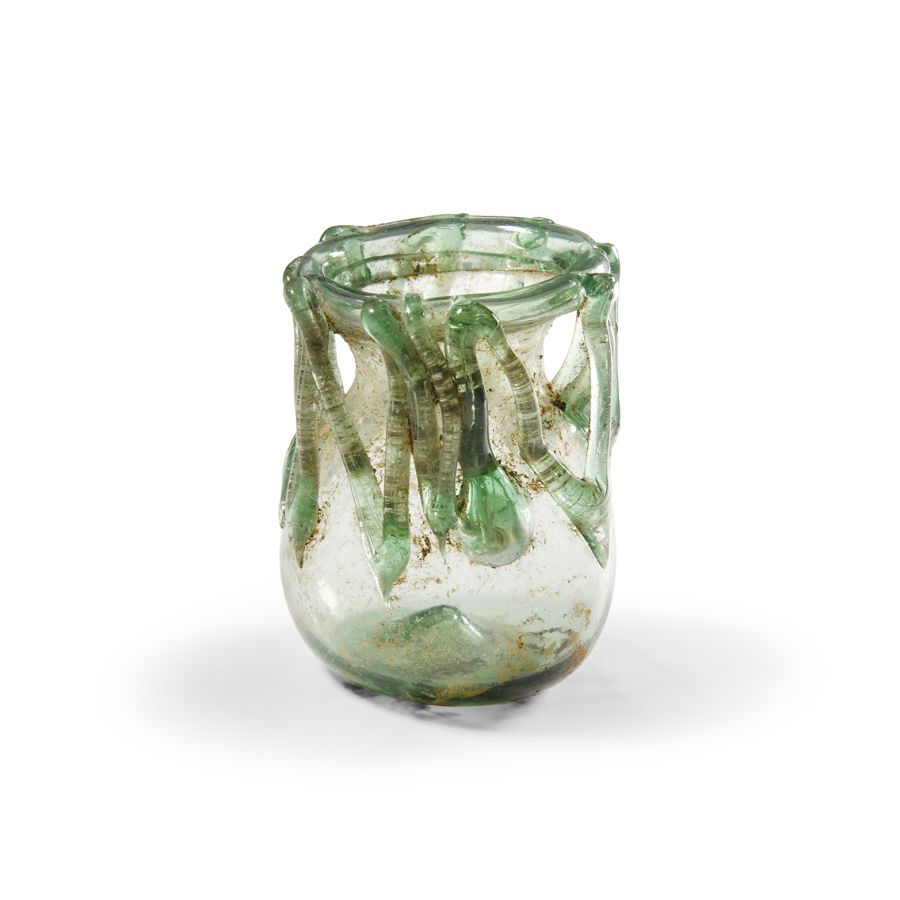
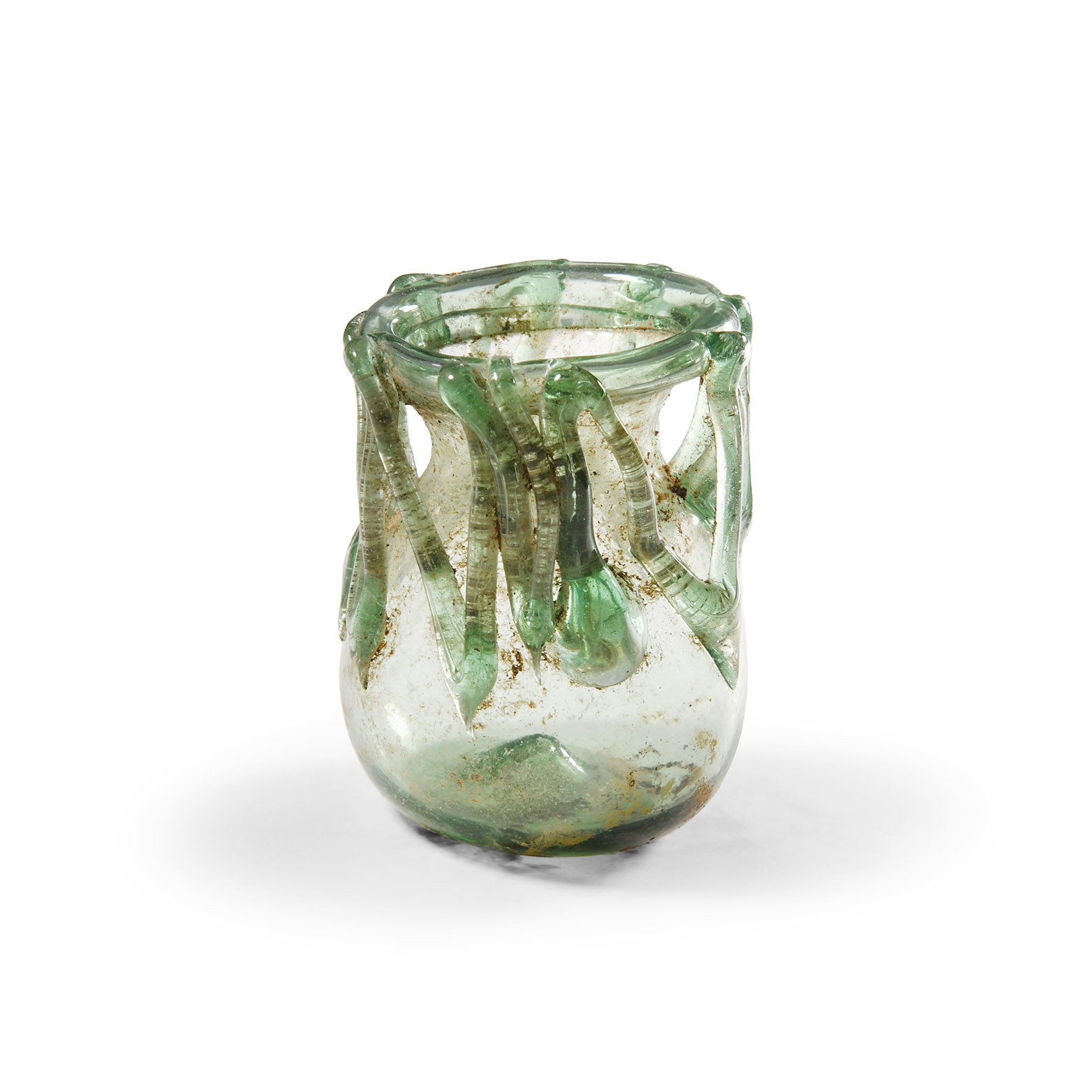
Roman Glass Flask with Wavy Lines
3RD-4TH CENTURY A.D.
3 in. (86 grams, 75 mm).
Pale green piriform shape with wide double-stepped rim and applied wavy line trail from rim to the body.
ProvenanceAcquired 1980-2015.
Ex Abelita family collection.
Cf. The Metropolitan Museum, accession number 74.51.197, for similar.
CONDITIONTimeLine Auctions follows a vetting process to ensure the authenticity and legality of all items, reinforcing our commitment to integrity and responsible trading. Each antiquity, antique, and coin lot undergoes thorough examination by a vetting committee of at least ten external specialists, professional trade association members, scientists, and archaeologists: Our Vetting Process
AUCTIONS:
TimeLine is a leading auction house specialising in antiquities, ancient art, collectables, natural history, coins, medals, and books. Our auctions offer museums, collectors, historians, and enthusiasts the opportunity to acquire unique and historically significant pieces.
-
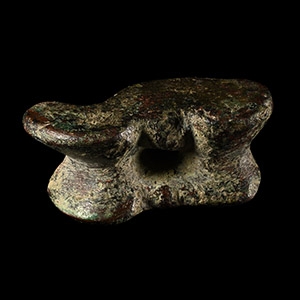
Roman Bronze 'Astragalus' Knuckle Bone Gaming Piece
1st-4th century A.D.Sold for (Inc. bp): £72
Formed in three dimensions with a central piercing. 16.8 grams, 28 mm
Ex Simmons Gallery, London E11, UK, in the 1990s. From a North London collection. -
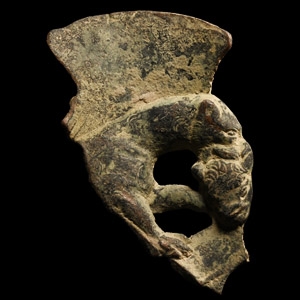
Roman Bronze Attacking Panther Mount
1st-4th century A.D.Estimate: £200 - 300 (+bp*)
Opening Bid: £111
Modelled in the round with naturalistic detailing to the head and face, probably biting another animal. 38 grams, 66 mm
‘The Ancient Menagerie Collection’ formerly the property of a Cambridgeshire lady, collected since the 1990s and acquired from auctions and dealers throughout Europe and the USA, now ex London collection. -
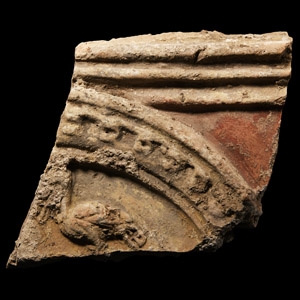
Roman Terracotta Frieze Fragment with Bird
3rd century A.D.Sold for (Inc. bp): £130
Showing the figure of a bird enclosed inside a medallion, with edges decorated with a foliage, moulded grooves in the upper part, remains of red pigment on the dividing space. 643 grams, 12.5 cm
Acquired from Millon Arts D'Orient, with lot sticker. Property of a Ruislip, UK, gentleman, by inheritance.
The motif of a bird enclosed in a roundel draws inspiration from Parthian and Sassanid art, and decorated the ceilings of Roman Hellenistic tombs and temples of the Roman East. Our fragment could have been part of the polychrome stucco decoration of the ceiling of a tomb, or a square insert in a temple building. It certainly had to be painted in showy colours, of which clear traces remain in the amaranth red on the right of the fragment and in the pink and blue traces visible on the bird.
