
Loading, please wait...

LOT 0904
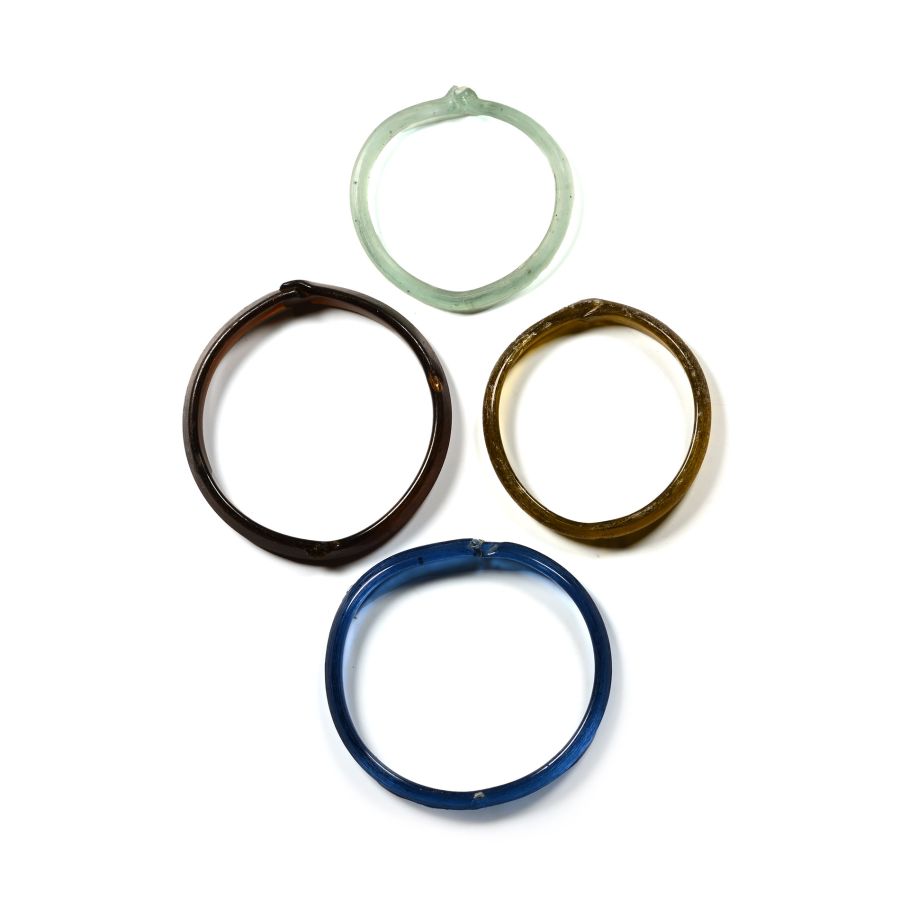
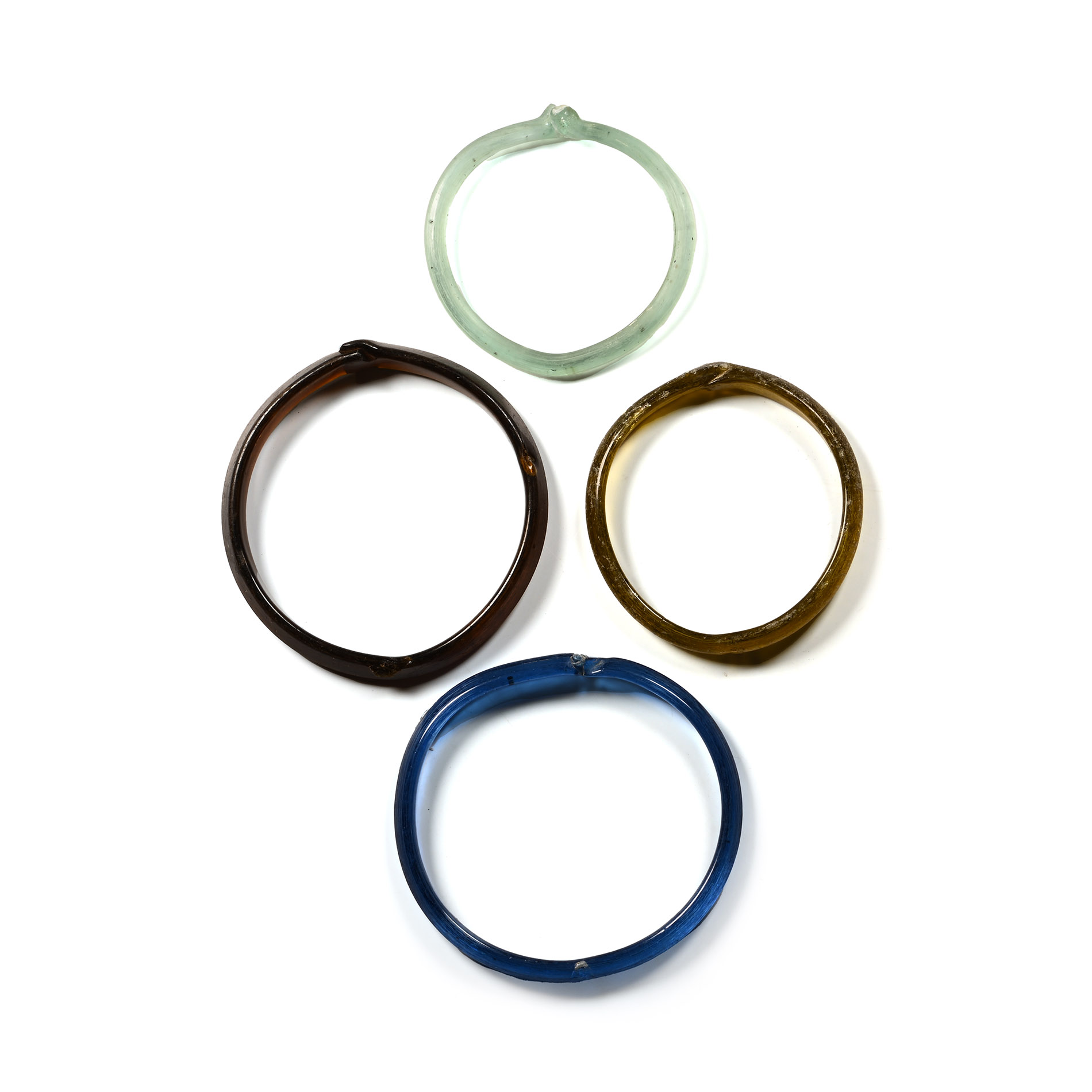
Roman Glass Bracelet Group
3RD-4TH CENTURY A.D.
2 1/8 - 2 5/8 in. (35 grams total, 55-68 mm).
Each a D-section coloured glass hoop with pressed joint. [4, No Reserve]
ProvenanceFrom a family collection mostly formed in the 1940s-1950s, thence by descent.
CONDITIONTimeLine Auctions follows a vetting process to ensure the authenticity and legality of all items, reinforcing our commitment to integrity and responsible trading. Each antiquity, antique, and coin lot undergoes thorough examination by a vetting committee of at least ten external specialists, professional trade association members, scientists, and archaeologists: Our Vetting Process
AUCTIONS:
TimeLine is a leading auction house specialising in antiquities, ancient art, collectables, natural history, coins, medals, and books. Our auctions offer museums, collectors, historians, and enthusiasts the opportunity to acquire unique and historically significant pieces.
-
Roman Glass Pendant
1st-4th century A.D.Sold for (Inc. bp): £39
Discoid with integral loop, reserved female profile bust, 1.53 grams, 20 mm
Ex property of the late Mr S.M., London, UK, 1969-1999, thence by descent. -
Late Roman Iridescent Multi-Coloured Bracelet
4th-6th century A.D.Estimate: £100 - 140 (+bp*)
Opening Bid: £50
The shank triangular in section with applied polychrome trails to inner and outer edges. 21.9 grams, 87 mm
Acquired 1980-2015. Ex Abelita family collection. -
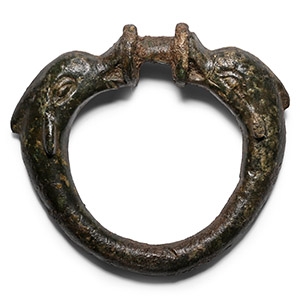
Roman Bronze Chariot Terret with Dolphins
1st-2nd century A.D.Sold for (Inc. bp): £624
Comprising a D-section hoop with shoulders formed as opposed dolphins holding in their mouths a pair of discs and median bar. 82 grams, 65 mm
Ex German art market, 2000s. Acquired from an EU collector living in London. From the collection of Surrey, UK, gentleman.
