
Loading, please wait...
LOT 0594
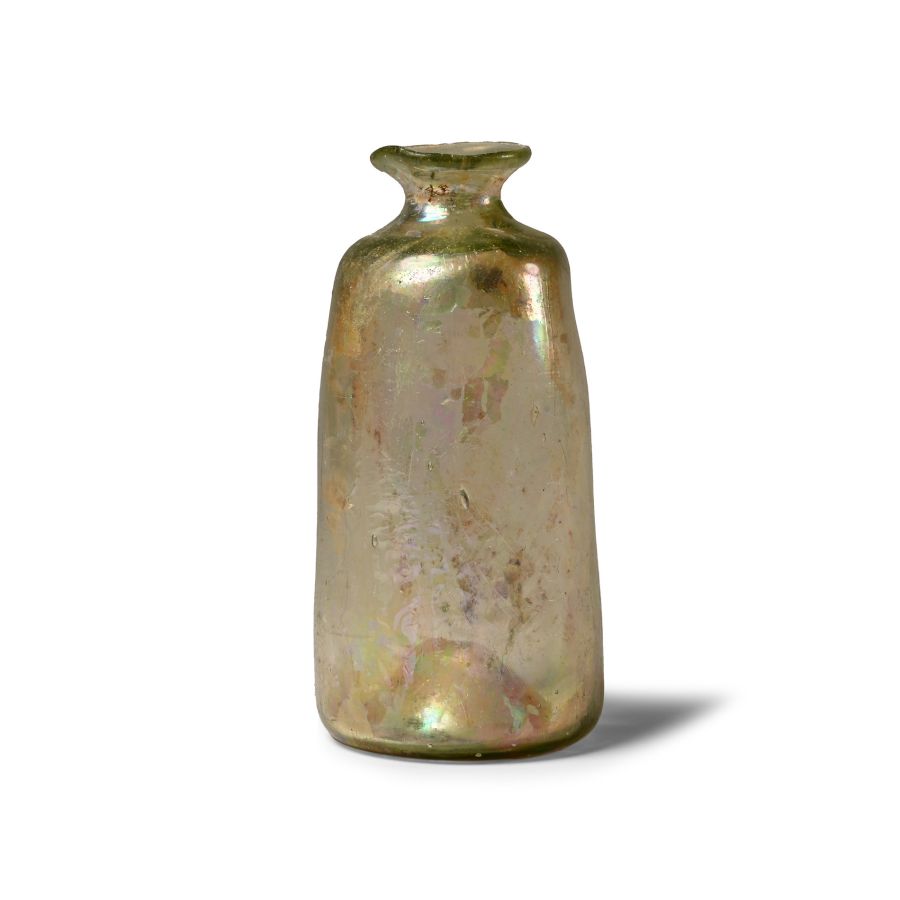
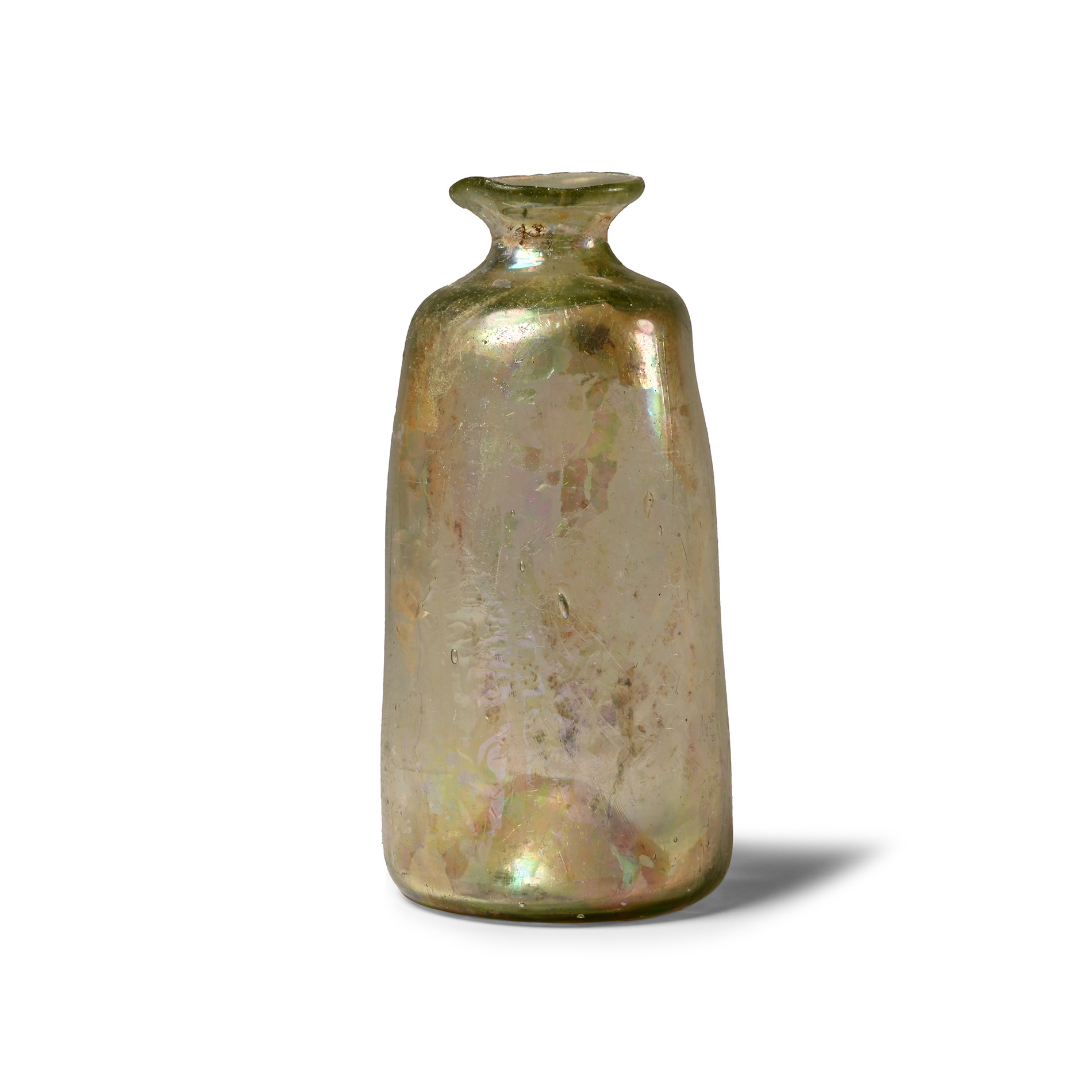
Roman Glass Bottle with Short Neck
1ST-4TH CENTURY A.D.
3 1/2 in. (37 grams, 88 mm).
Comprising a dimple-based tubular body and bell-shaped neck with applied flange rim. [No Reserve]
ProvenanceFrom a family collection mostly formed in the 1940s-1950s, thence by descent.
LiteratureSee Harden, D.B. et al, Masterpieces of Glass, London, 1968, item 78, for type.
CONDITIONTimeLine Auctions follows a vetting process to ensure the authenticity and legality of all items, reinforcing our commitment to integrity and responsible trading. Each antiquity, antique, and coin lot undergoes thorough examination by a vetting committee of at least ten external specialists, professional trade association members, scientists, and archaeologists: Our Vetting Process
AUCTIONS:
TimeLine is a leading auction house specialising in antiquities, ancient art, collectables, natural history, coins, medals, and books. Our auctions offer museums, collectors, historians, and enthusiasts the opportunity to acquire unique and historically significant pieces.
-
Roman Bronze and Lead Artefact Group
Mainly 1st-2nd century A.D.Sold for (Inc. bp): £13
Including a plano-convex and a biconvex lead weight two fibulae with coiled springs, and other items. 807 grams total, 15-44 mm
Ex Stocker collection, Kent, UK, 1955-early 2000s. -
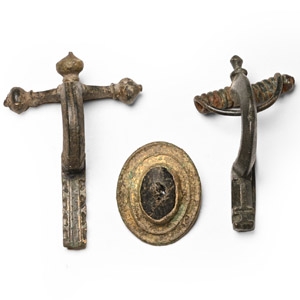
Roman Bronze Brooch Collection
1st-4th century A.D.Sold for (Inc. bp): £104
Comprising: gilt-bronze plate brooch with central glass cabochon; crossbow brooch with onion-shaped knops; P-shaped bow brooch with coiled spring and pin. 72 grams total, 34-64 mm
Acquired on the European art market since the early 2000s. From the private Northern Ireland collection of R.M. -
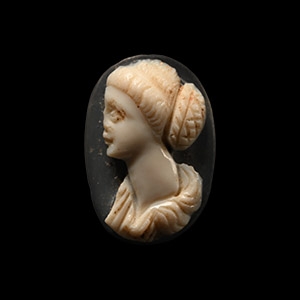
Roman Carved Cameo of a Female
Late 2nd century A.D.Sold for (Inc. bp): £234
Ellipsoid in plan with reserved female profile portrait bust, the hair dressed in a chignon. 0.64 grams, 13 mm
Acquired in the mid 1980s-1990s. From the family collection of Mr S.A., Switzerland, thence by descent. Private collection since the late 1990s.
