
Loading, please wait...
LOT 0768
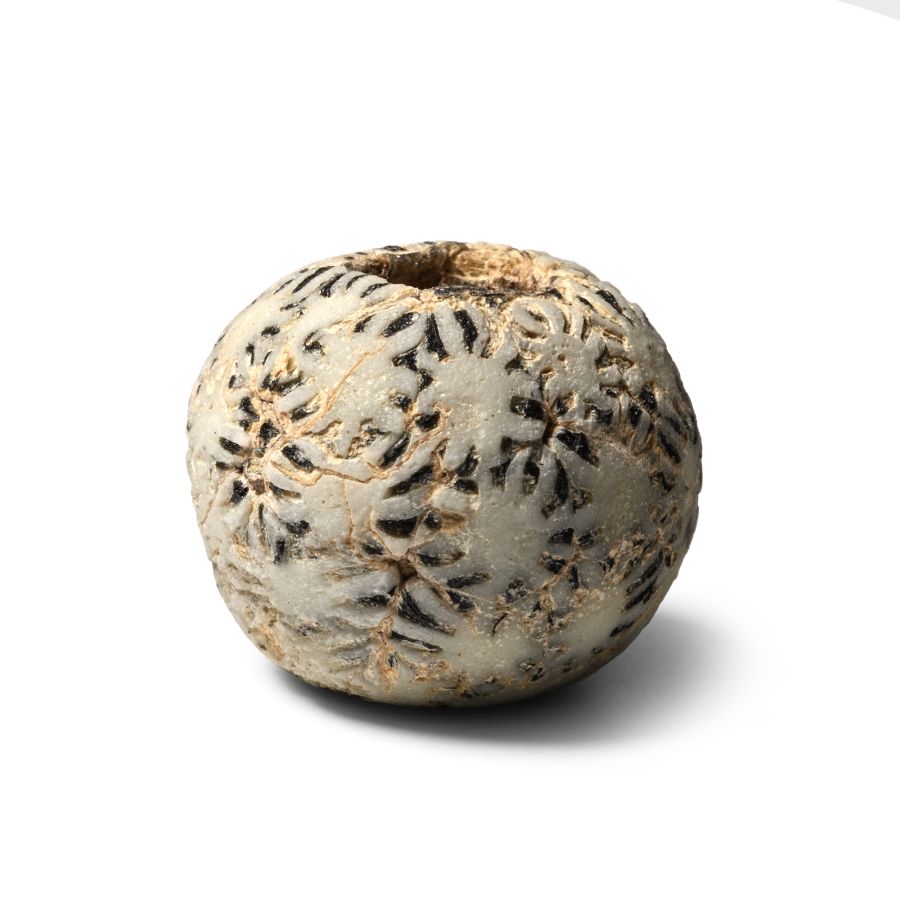
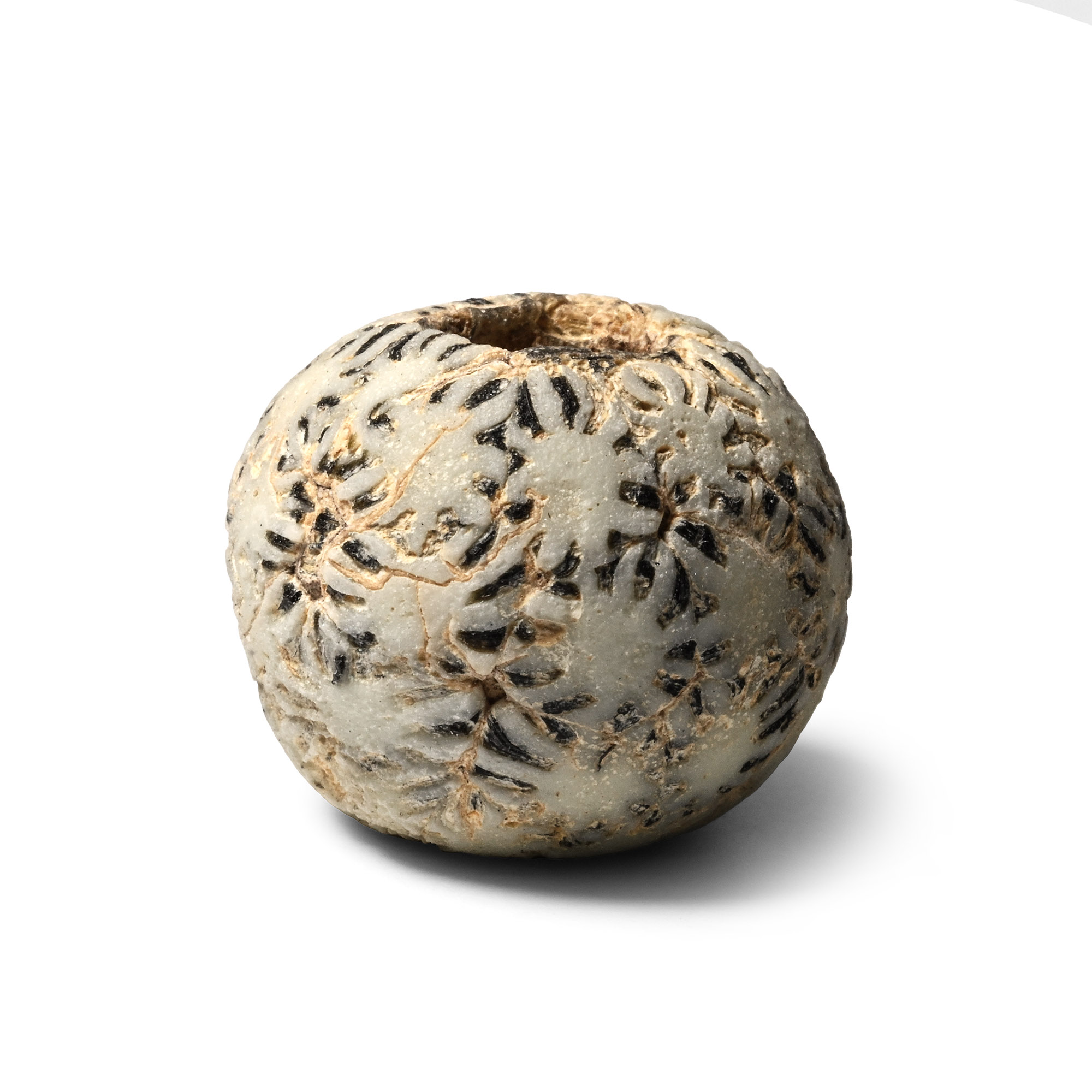
Roman Glass Bead with Millefiore Stars
1ST-3RD CENTURY A.D.
1 in. (16.34 grams, 25 mm).
Spherical in form with wide perforation; millefiore star designs in the glass surface. [No Reserve]
ProvenanceLondon collection, 1979-1983.
CONDITIONTimeLine Auctions follows a vetting process to ensure the authenticity and legality of all items, reinforcing our commitment to integrity and responsible trading. Each antiquity, antique, and coin lot undergoes thorough examination by a vetting committee of at least ten external specialists, professional trade association members, scientists, and archaeologists: Our Vetting Process
AUCTIONS:
TimeLine is a leading auction house specialising in antiquities, ancient art, collectables, natural history, coins, medals, and books. Our auctions offer museums, collectors, historians, and enthusiasts the opportunity to acquire unique and historically significant pieces.
-
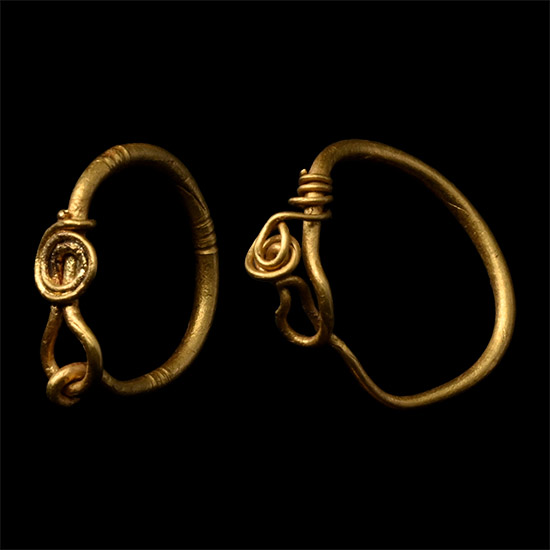
Roman Gold Earring Pair
1st-4th century A.D.Sold for (Inc. bp): £234
Each a slender wire hoop with a spiral knot and the ends wound round the shank. 1.70 grams total, 15-17mm
Ex German art market, 2000s. Acquired from an EU collector living in London. From the collection of a Surrey, UK, gentleman. -
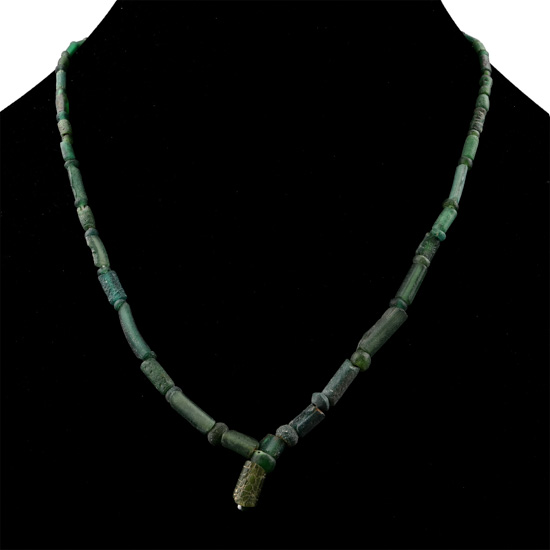
Roman and Other Black Glass Bead Necklace String
1st-4th century A.D. and laterSold for (Inc. bp): £59
Composed of tubular and reused bangle fragments; restrung. 18.63 grams, 44.5 cm
From London, UK, gallery collection, 1990s. -
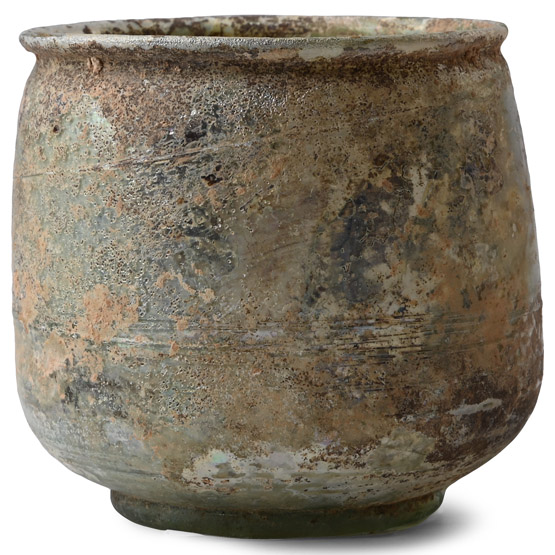
Roman Iridescent Glass Cup with Trail
Circa 1st-4th century A.D.Estimate: £350 - 450 (+bp*)
Opening Bid: £175
Drum-shaped body on a low basal ring and everted rim, bands to the outer face; iridescent surface. 33.8 grams, 71 mm
From a London, UK, collection of glass, 1970-2000s.
