
Loading, please wait...
LOT 0684
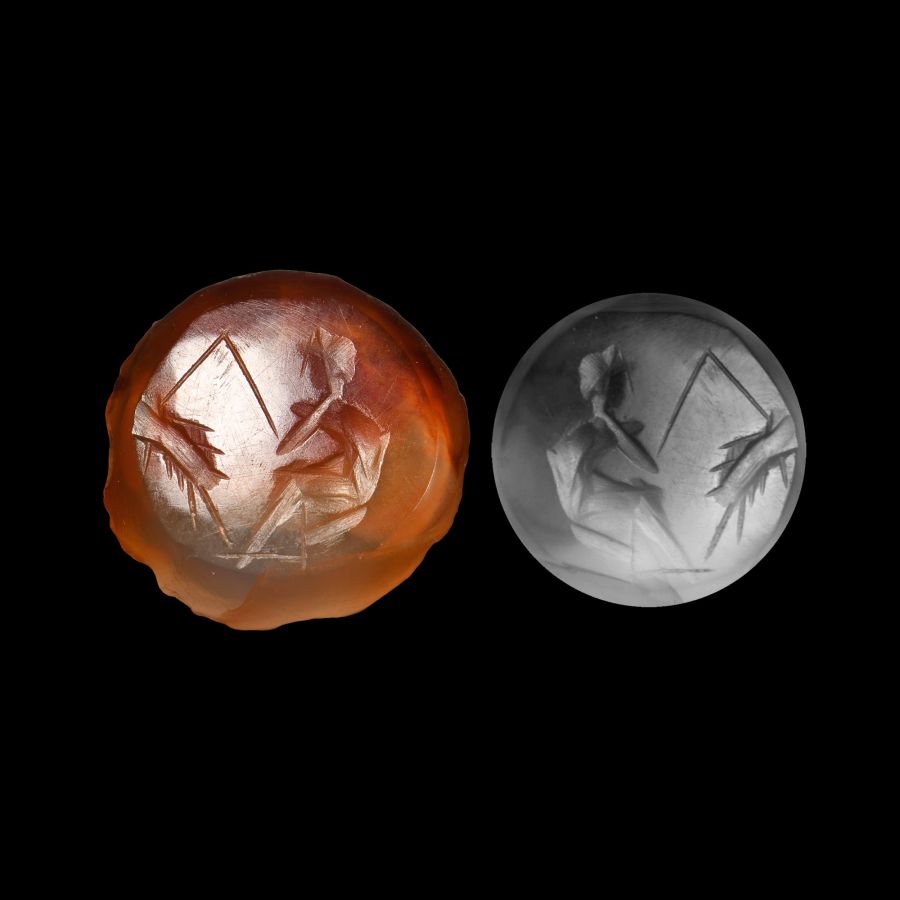
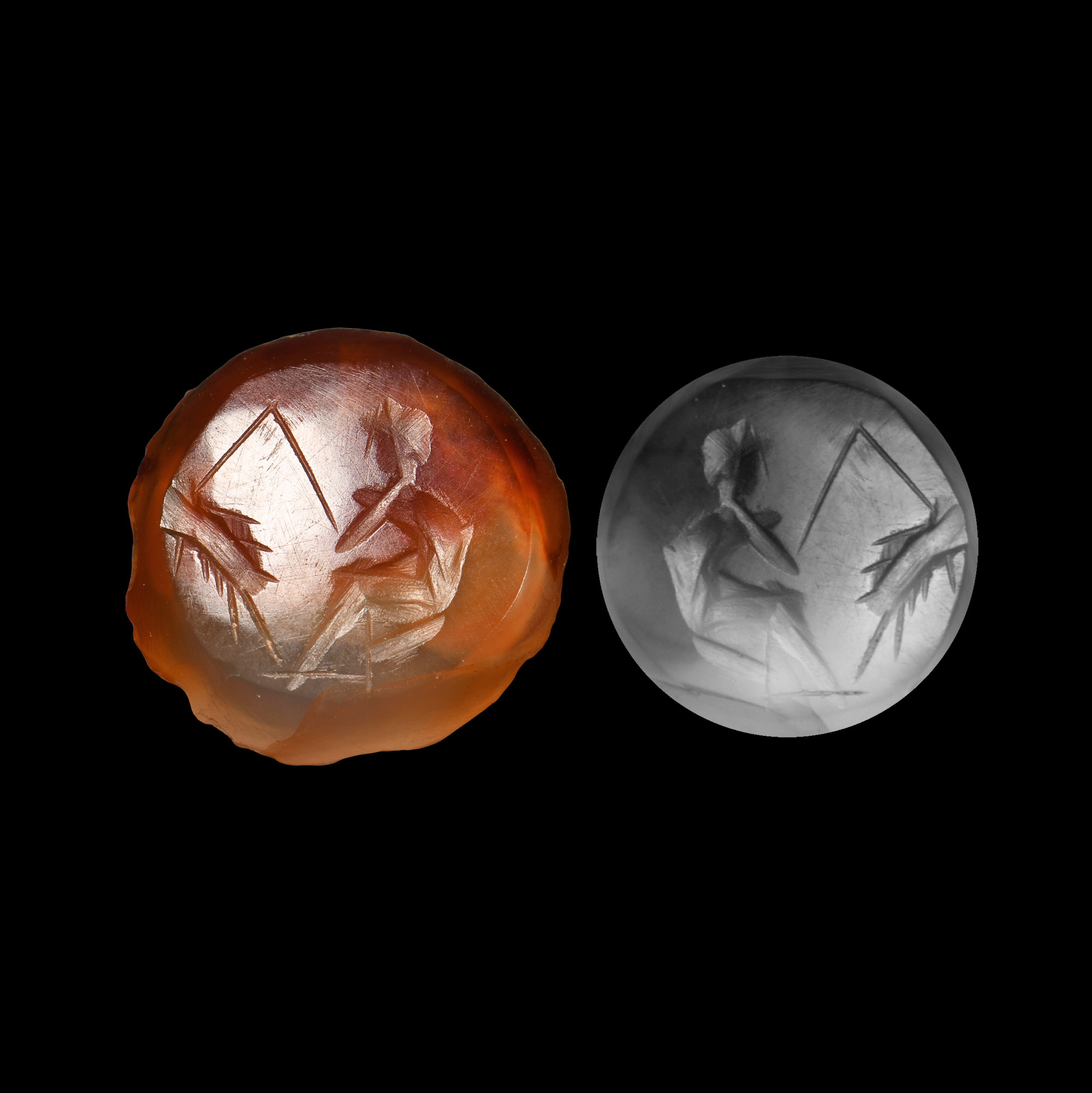
Roman Gemstone with Fisherman
CIRCA 1ST CENTURY A.D.
1/2 in. (1.15 grams, 13 mm).
Engraved on a circular carnelian stone, displaying a seated fisherman with a fish on his line; accompanied by a museum-quality impression.
ProvenanceAcquired on the European art market in the late 1960s-early 1970s.
CONDITIONTimeLine Auctions follows a vetting process to ensure the authenticity and legality of all items, reinforcing our commitment to integrity and responsible trading. Each antiquity, antique, and coin lot undergoes thorough examination by a vetting committee of at least ten external specialists, professional trade association members, scientists, and archaeologists: Our Vetting Process
AUCTIONS:
TimeLine is a leading auction house specialising in antiquities, ancient art, collectables, natural history, coins, medals, and books. Our auctions offer museums, collectors, historians, and enthusiasts the opportunity to acquire unique and historically significant pieces.
-
Roman Bronze Artefact Collection
1st-4th century A.D.Sold for (Inc. bp): £91
Mainly comprising fragmentary artefacts including brooches; rings; mounts and other miscellaneous items, including items displaying enamelled and other decorative techniques. 232 grams total, 13-48 mm
Found Berkshire, UK. -
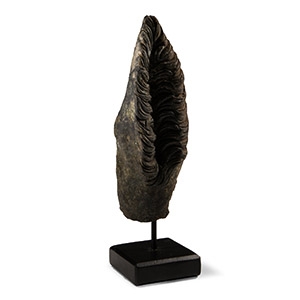
Larger Than Life-Size Roman Bronze Satyr's Ear
1st-3rd century A.D.Sold for (Inc. bp): £1,690
Probably from a colossal statue of Silenus or a satyr, detailed and naturalistic rendering of a left ear, conical shape with accurate depiction of the internal hair. 767 grams, 18.5 cm
Acquired in Europe before 1995. Private collection, Europe.
In the mythology of ancient Greece and in the Graeco-Roman literary world, satyrs were a community of beings who lived mostly in woods, surrounded by nature, and often together with nymphs. In the most ancient period they were imagined by the Greeks like Sileni, in human form, but with the ears, tail and sometimes hooves of horses. Seilenoi were depicted as fat, elderly, white-haired men, with snub noses, balding heads, and the ears and tails of asses. They were sometimes covered in fluffy white hair and occasionally sported a pair of ox horns. -
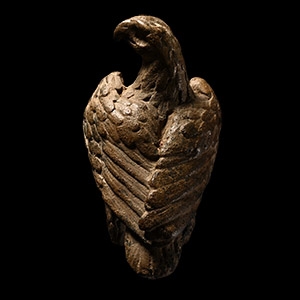
Roman Bronze Figure of an Eagle
Circa 2nd century A.D.Estimate: £4,000 - 6,000 (‡+bp*)
Opening Bid: £2,000
Naturalistically modelled in the round, standing with wings folded against the body, head turned left, feather detailing and recessed circular eyes; feet absent. 111 grams, 62 mm
Acquired in Europe before 2001. This lot has been checked against the Interpol Database of stolen works of art and is accompanied by search certificate number no.11857-206794.
