
Loading, please wait...

LOT 0722
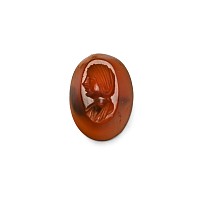
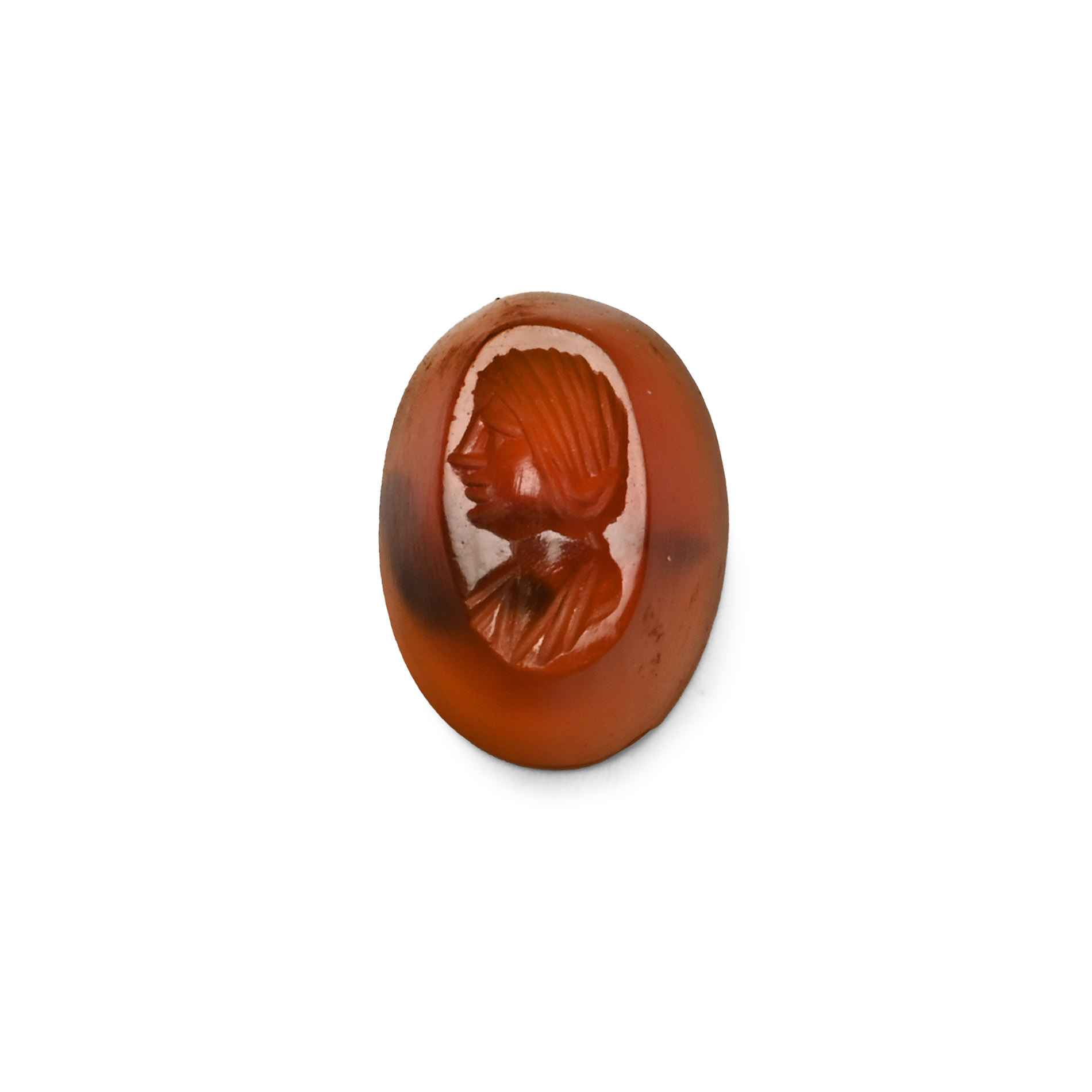
Roman Gemstone with Female Portrait
2ND-3RD CENTURY A.D.
3/8 in. (0.41 grams, 9 mm).
Ellipsoid in plan with intaglio profile female bust.
ProvenanceFrom the collection of a London, UK, gentleman, 1970s onwards.
CONDITIONTimeLine Auctions follows a vetting process to ensure the authenticity and legality of all items, reinforcing our commitment to integrity and responsible trading. Each antiquity, antique, and coin lot undergoes thorough examination by a vetting committee of at least ten external specialists, professional trade association members, scientists, and archaeologists: Our Vetting Process
AUCTIONS:
TimeLine is a leading auction house specialising in antiquities, ancient art, collectables, natural history, coins, medals, and books. Our auctions offer museums, collectors, historians, and enthusiasts the opportunity to acquire unique and historically significant pieces.
LOT 0722
Roman Gemstone with Female Portrait
Estimate £200 - 300€230 - 350 (for guidance only)$270 - 410 (for guidance only)
-
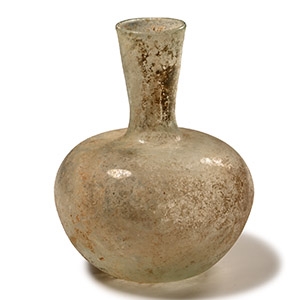
Roman Glass Bottle with Tapering Neck
4th century A.D.Sold for (Inc. bp): £111
Flask with squat bulbous body and broad shoulder, slender cylindrical neck with flared rim, dimpled base; iridescent surfaces. 44 grams, 11.2 cm
From a family collection mostly formed in the 1940s-1950s, thence by descent. -
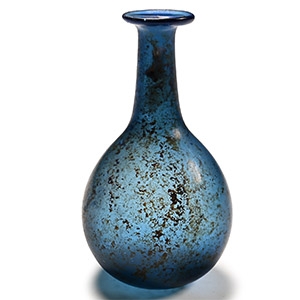
Roman Blue Glass Unguentarium
1st century A.D.Sold for (Inc. bp): £494
With piriform body, tapering neck and everted rim. 34 grams, 93 mm
From a London, UK, collection, 1990s. -
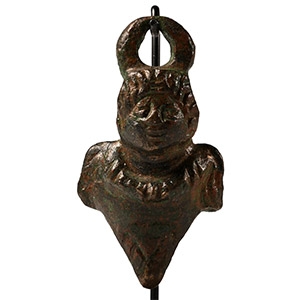
Roman Bronze Figural Pendant
2nd-3rd century A.D.Sold for (Inc. bp): £59
Amuletic bust of a bare-chested youth with abundant hair and prominent torc to the neck, suspension loop above; usage wear; mounted on a custom-made stand. 56 grams, 61 mm (80 grams total, 96 mm including stand)
From a collection acquired on the UK art market from various auction houses and collections mostly before 2000. From an important Cambridgeshire estate; thence by descent.
