
Loading, please wait...


LOT 0589
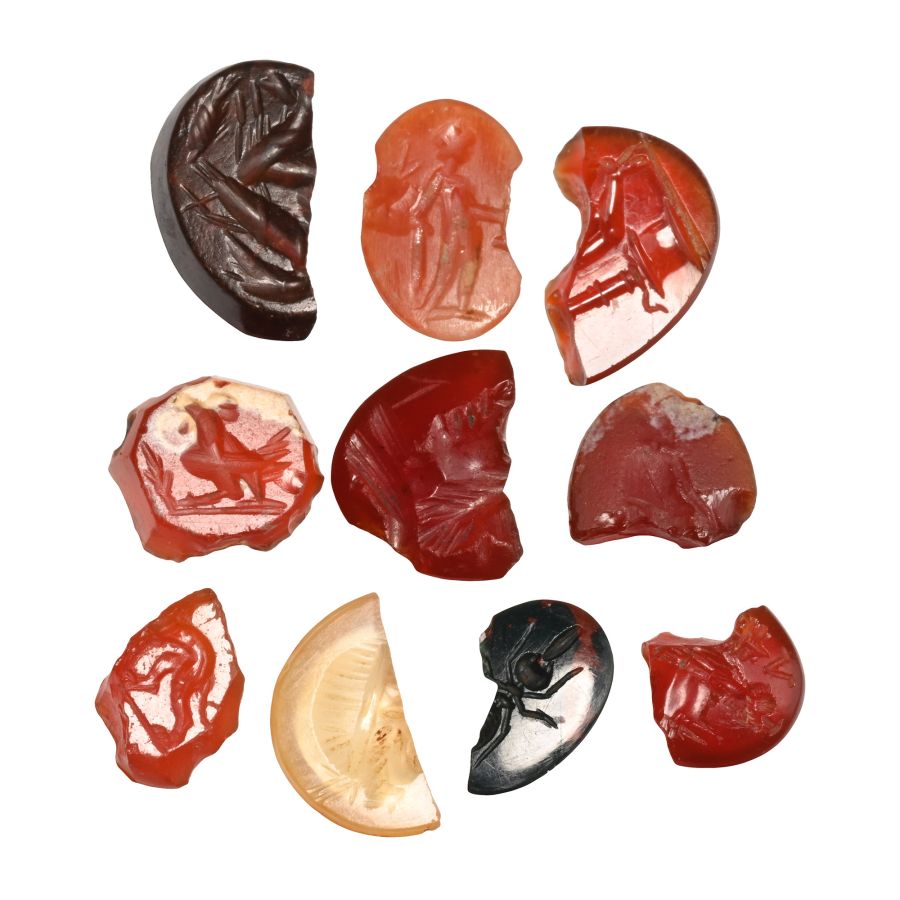
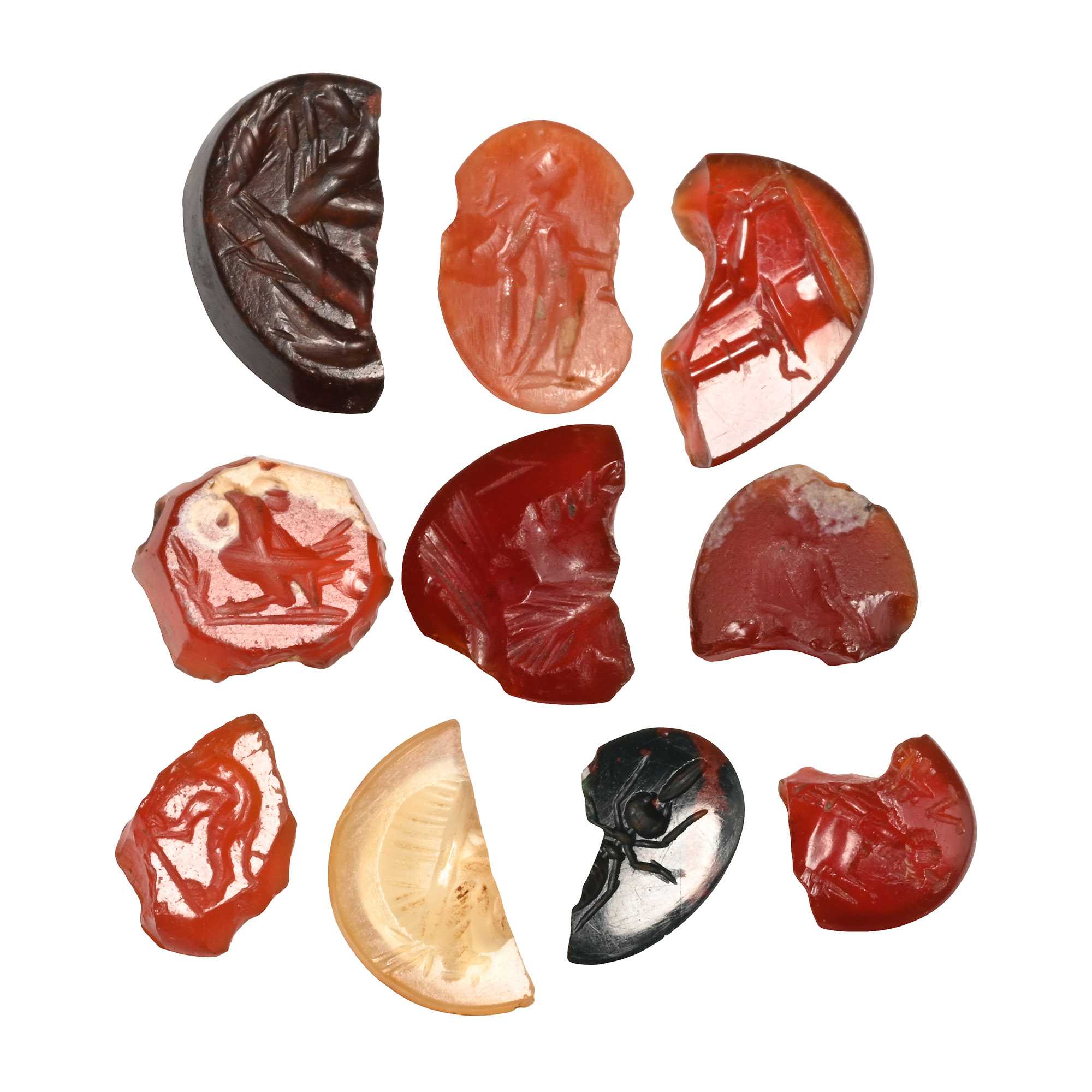
Roman Gemstone Group
2ND-3RD CENTURY A.D.
3/8 - 1/2 in. (3.38 grams total, 9-13 mm).
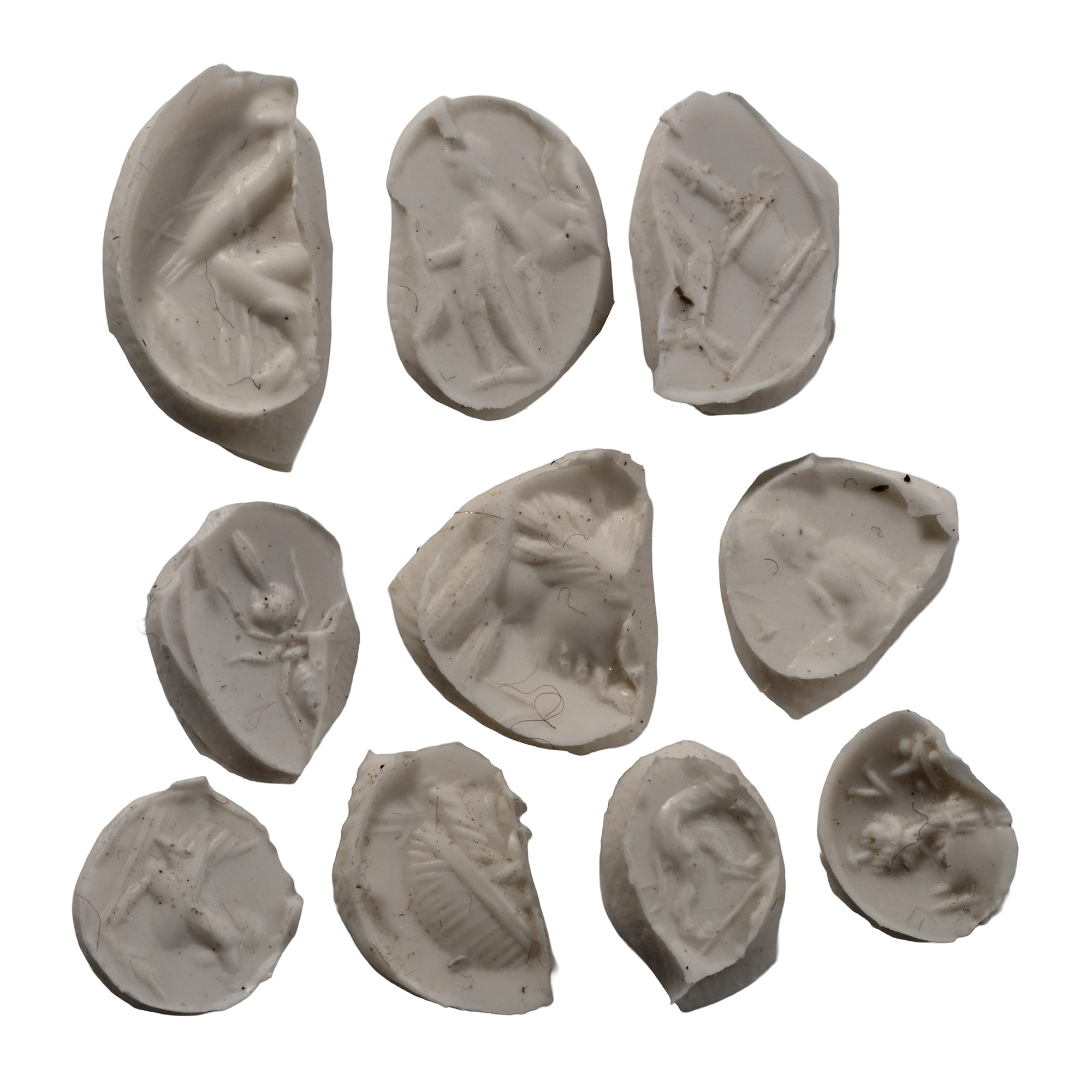
Including nude standing female, altar with pediment, profile bust, ant and other types; each supplied with a museum-quality impression. [10, No Reserve]
ProvenanceFrom the private collection of a European gentleman (1942-2024), formed since the 1970s.
CONDITIONTimeLine Auctions follows a vetting process to ensure the authenticity and legality of all items, reinforcing our commitment to integrity and responsible trading. Each antiquity, antique, and coin lot undergoes thorough examination by a vetting committee of at least ten external specialists, professional trade association members, scientists, and archaeologists: Our Vetting Process
AUCTIONS:
TimeLine is a leading auction house specialising in antiquities, ancient art, collectables, natural history, coins, medals, and books. Our auctions offer museums, collectors, historians, and enthusiasts the opportunity to acquire unique and historically significant pieces.
-
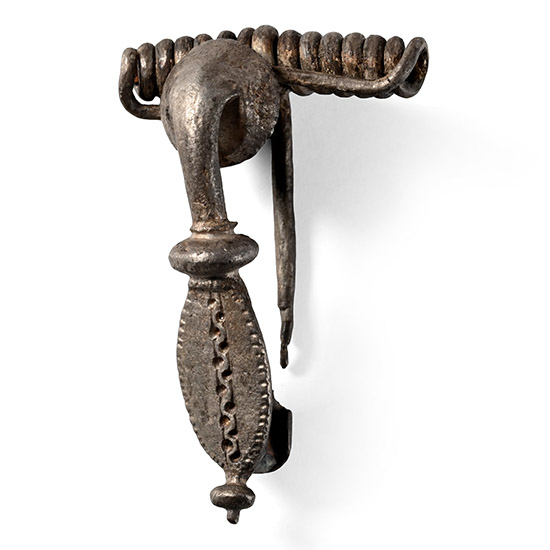
Roman Silver Bow Brooch
1st-2nd century A.D.Sold for (Inc. bp): £111
With chord, spring and pin attached to the trumpet-shaped headplate; collar to bow and lentoid panel below with notched edges and reserved meander to the vertical axis; catchplate projecting from the reverse. 4.46 grams, 32 mm
Acquired London, UK, circa 1974. Property of an Essex, UK, gentleman. -
.jpg)
Three Roman Gemstones in a Gold Ring
1st-2nd century A.D.Sold for (Inc. bp): £4,680
Featuring three intaglios: on the left, a carnelian intaglio of Minerva holding a winged figure of Victory in her hand, shield and spear on the field; at the centre, a green plasma intaglio of Omphale with club and lionskin; at the far right, a carnelian intaglio of a cupid stirring a bucket with a stick, a rare motif; set in a later Georgian-style gold ring. 8.92 grams, 25.35 mm overall, 19.62 x 17.86 mm internal diameter (approximate size British O 1/2, USA 7 1/4, Europe 15.61, Japan 15)
Acquired on the European art market. This lot has been checked against the Interpol Database of stolen works of art and is accompanied by search certificate number no.13364-257949.
Gems decorated with depictions of main deities of the Roman pantheon include gems with portraits of Jupiter or Jupiter Nikephoros, goddess Athena-Minerva or Minerva Romae, patron of Rome, Mars as Mars Ultor or Victor Tropaeophoros, and Victoria, goddess of victory. -
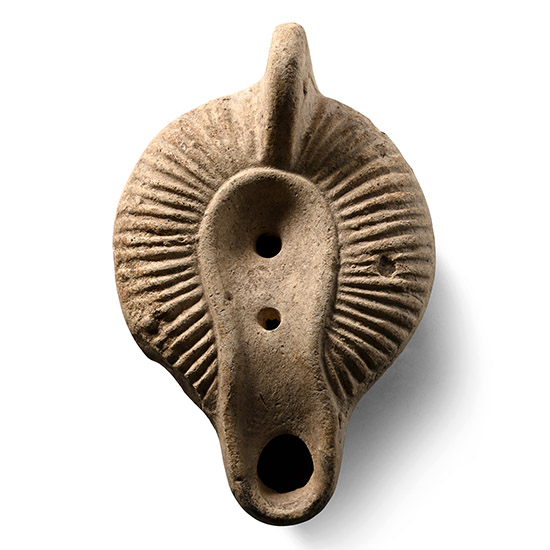
Roman African Terracotta Oil Lamp with Radiating Ridges
Circa 2nd-3rd century A.D.Sold for (Inc. bp): £130
Wide channel extending from the discus to the nozzle surrounded by raised linear decoration, lug handle to the rear, inked collector's number 'L 132' on the base. 152 grams, 12.7 cm
Ex important German collection, 1960-1990.
