
Loading, please wait...
LOT 0803
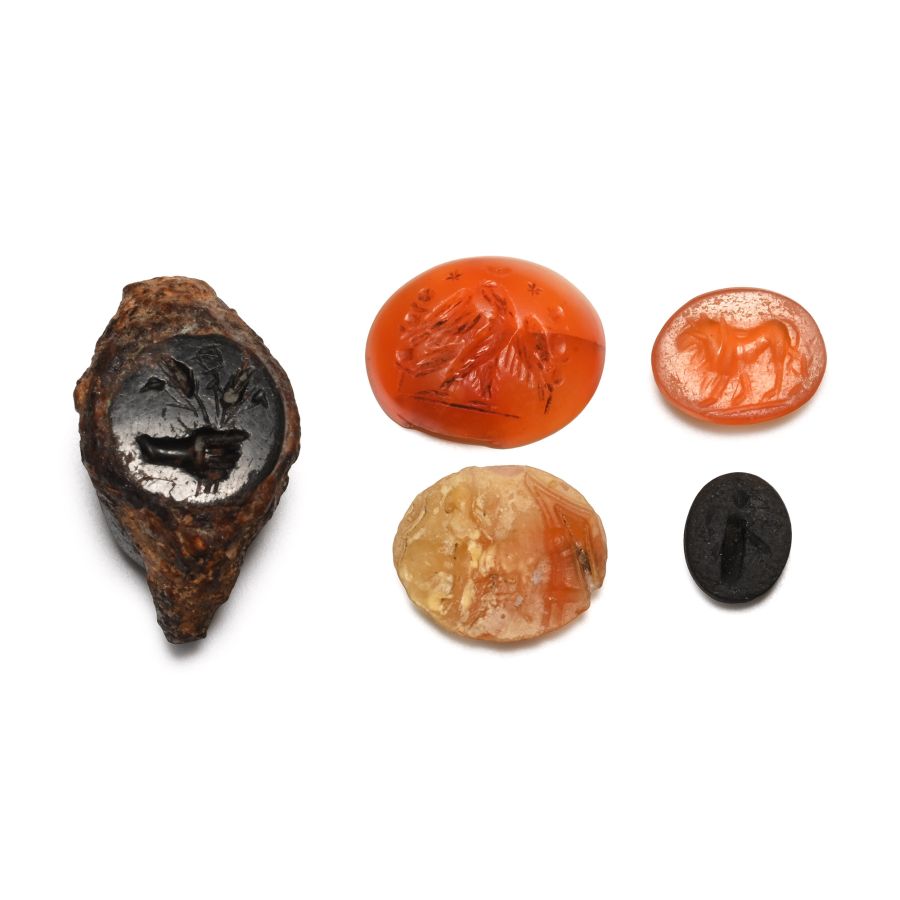
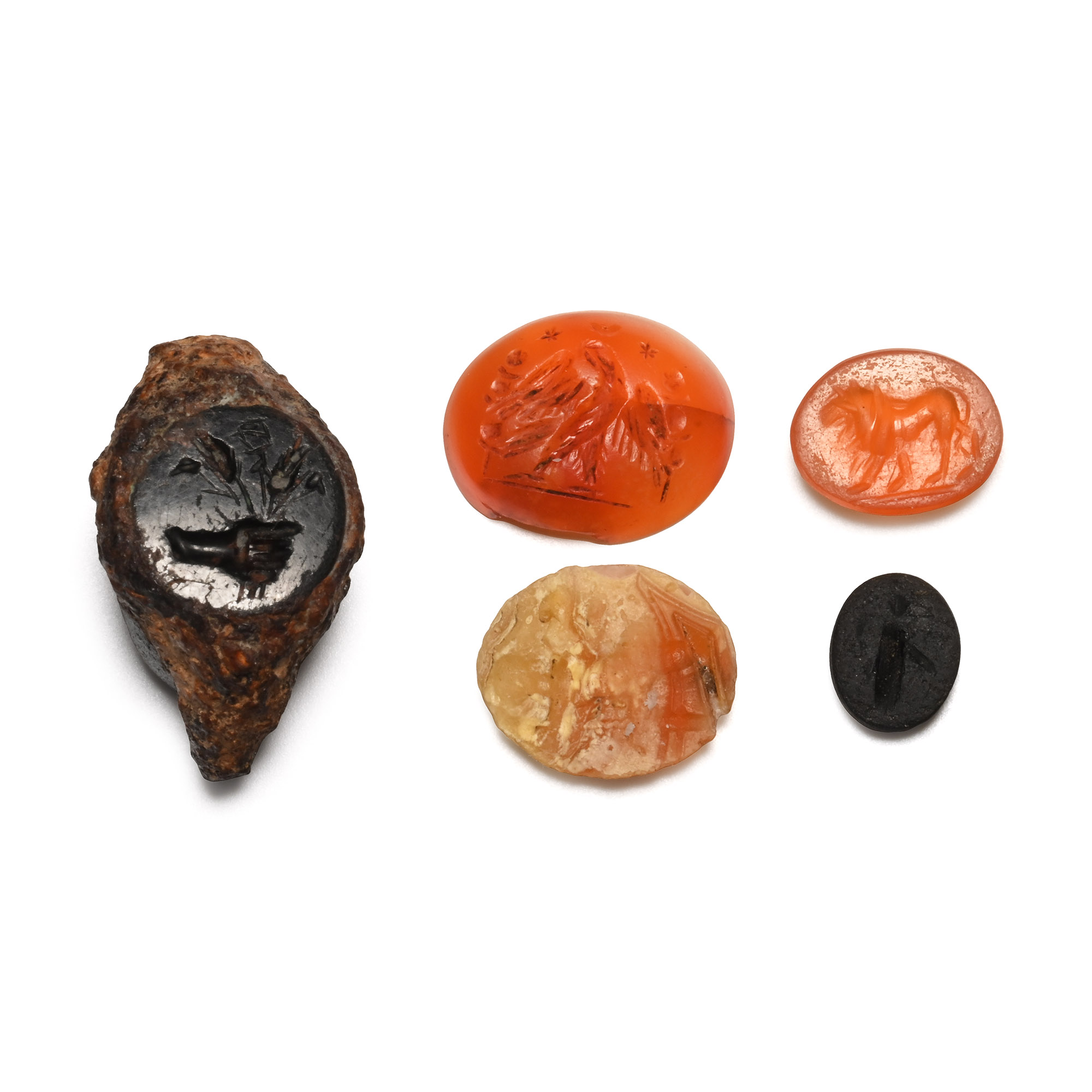
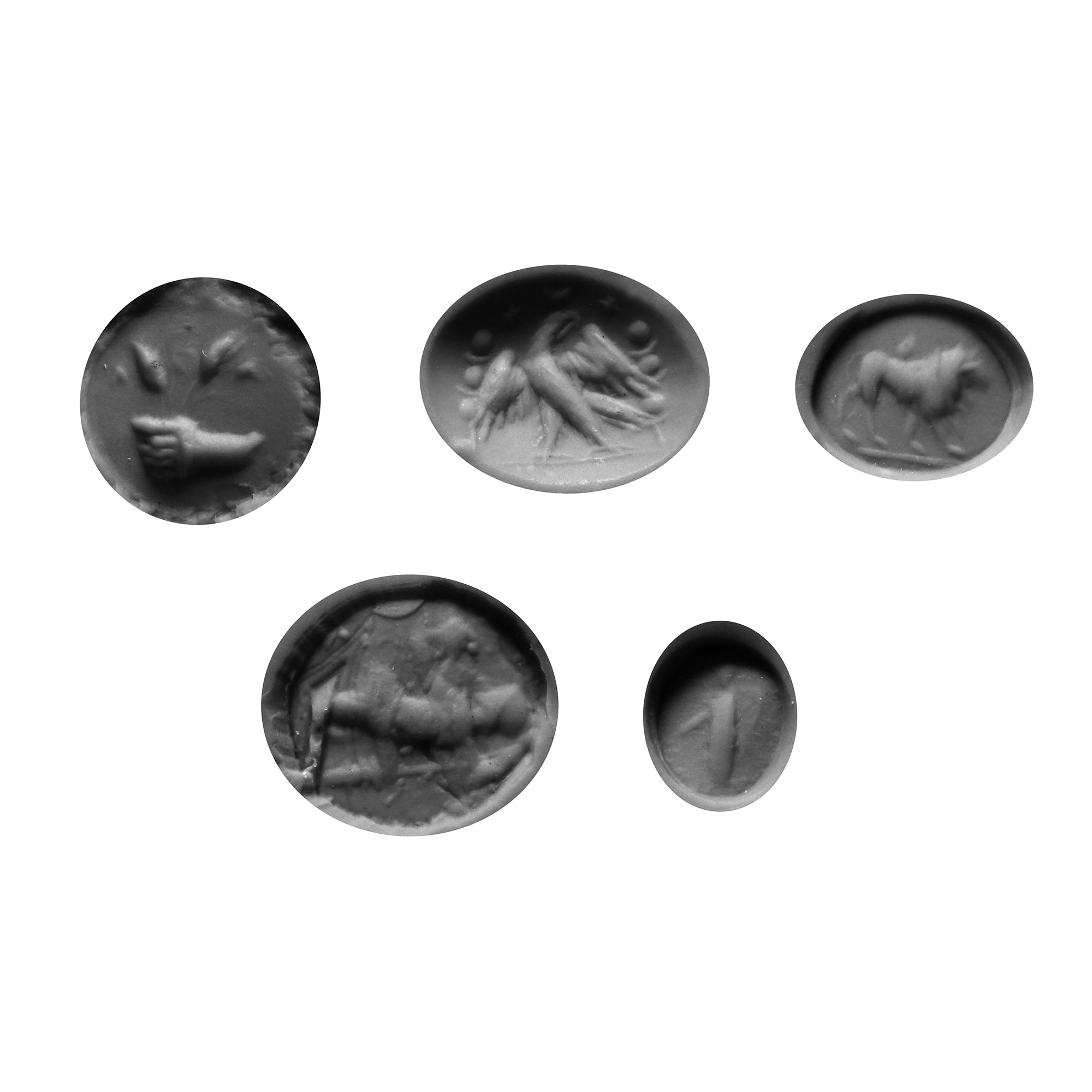
Roman Gemstone Collection
1ST-3RD CENTURY A.D.
1/4 - 3/4 in. (3.82 grams total, 7-19 mm).
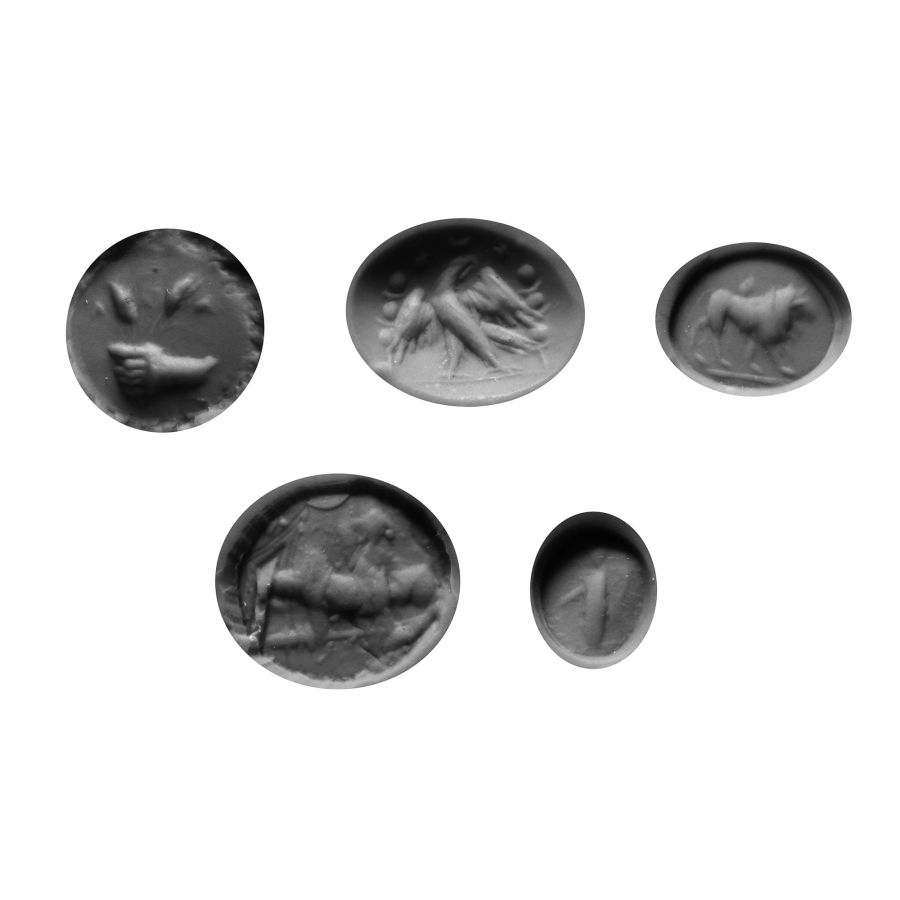
Including advancing lion, perching bird and other types; each supplied with a museum-quality impression. [5]
ProvenanceFrom the collection of a gentleman, acquired on the London art market in the 1990s.
LiteratureCf. for a similar gemstone with eagle and standards D’Amato, R., Roman Standards and Standard-Bearers, Oxford, 2018, p.27.
FootnotesOne of the gemstones is certainly pertinent to a military ring, representing an eagle among two signa (standards). Both shafts are decorated with multiple phalerae and lunulae.
CONDITIONTimeLine Auctions follows a vetting process to ensure the authenticity and legality of all items, reinforcing our commitment to integrity and responsible trading. Each antiquity, antique, and coin lot undergoes thorough examination by a vetting committee of at least ten external specialists, professional trade association members, scientists, and archaeologists: Our Vetting Process
AUCTIONS:
TimeLine is a leading auction house specialising in antiquities, ancient art, collectables, natural history, coins, medals, and books. Our auctions offer museums, collectors, historians, and enthusiasts the opportunity to acquire unique and historically significant pieces.
-
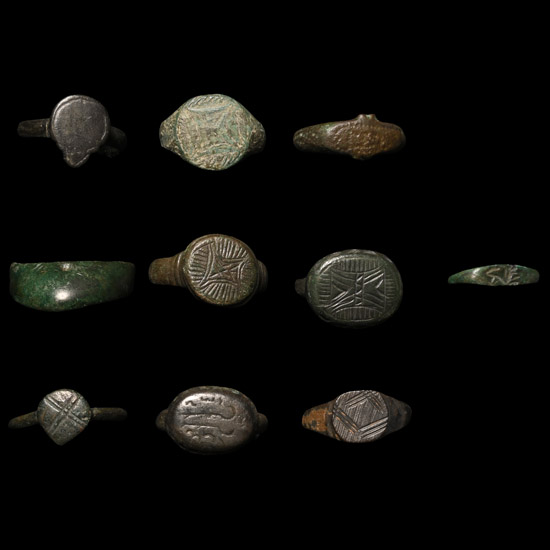
Roman to Medieval Bronze Ring Collection
1st-16th century A.D.Sold for (Inc. bp): £234
Mixed group of rings with various motifs, including an archer's ring, a ring with a cross motif, a ring with a lozenge, and others. 49.6 grams total, 15.8-31.2 mm
Ex German art market, 2000s. Acquired from an EU collector living in London. From the collection of a Surrey, UK, gentleman. -
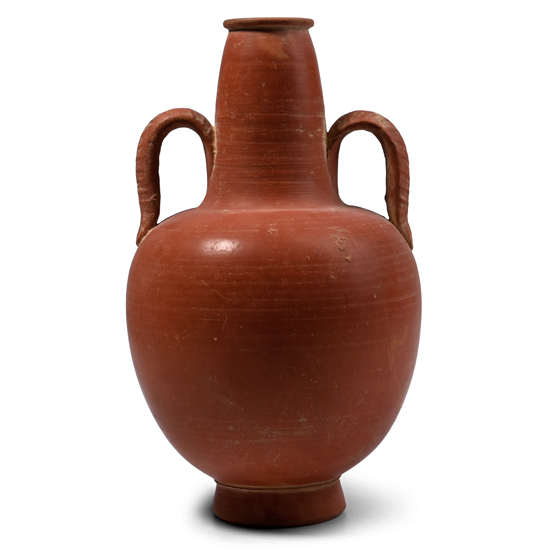
Roman Red Ware Amphora-Shaped Vase
Circa 3rd-4th century A.D.Sold for (Inc. bp): £416
With bulbous body and gently flared foot, deep shoulder, tall neck with everted rim to the mouth, two lateral loop handles with moulded herringbone detailing. 370 grams, 21.3 cm
From the private collection of Mr Brian Edwards, New Malden, Surrey, UK, formed from the late 1970s-early 1980s; thence by descent. Accompanied by the original collector's data sheet with reference no.A56, and original invoice dated 15 June 1989. -
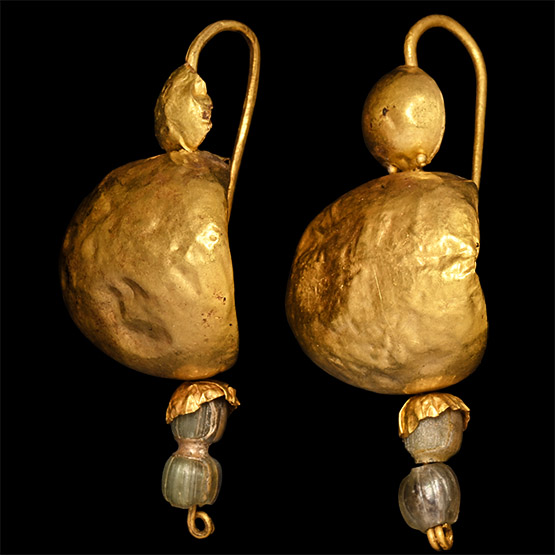
Roman Gold Beetle Type Earrings
1st-2nd century A.D.Sold for (Inc. bp): £1,170
Matched pair, each a hooked pin with a large hollow-formed domed panel and a smaller one above, dangle beneath with two iridescent glass beads. 4.48 grams total, 40 mm each
Private collection, USA and Switzerland, acquired in the late 1980s-early 1990s; thence by descent.
The pair of gold earrings is in the form of a very broad "boat-shaped" crescent. The back was often filled in with a concave plate of gold, and a lenticular disc above masked the junction of the S-shaped wire hook with the body of the earring. They are typical of the 1st -2nd century A.D.
