
Loading, please wait...
LOT 0549
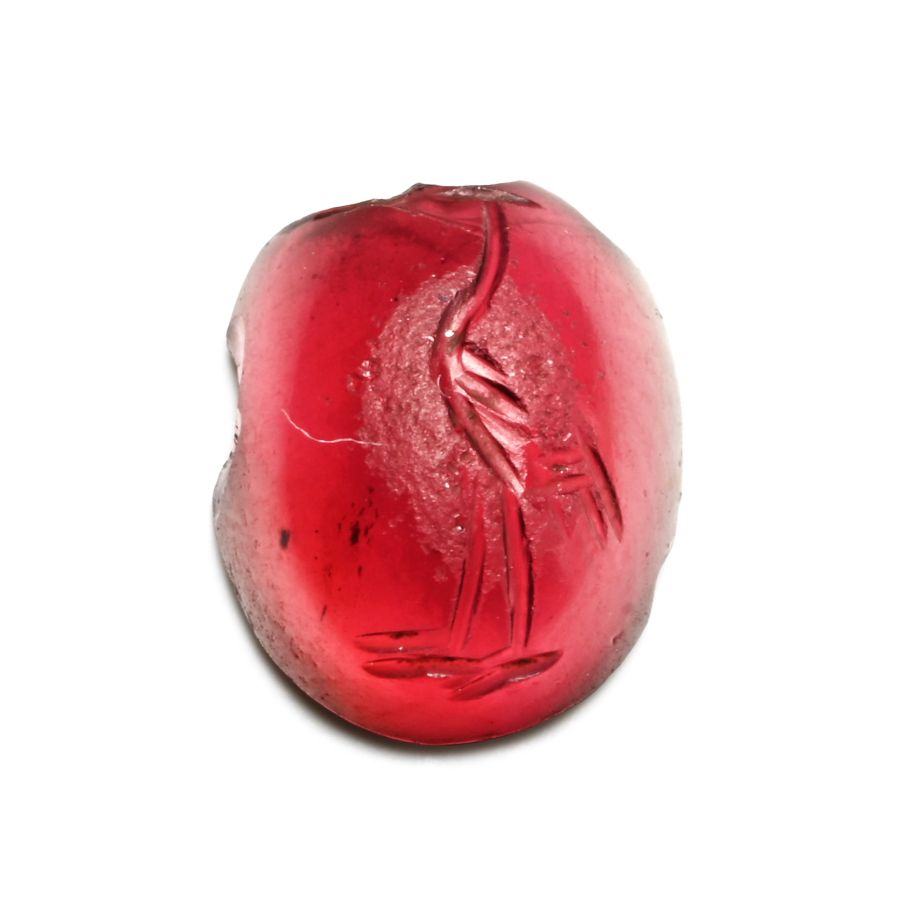
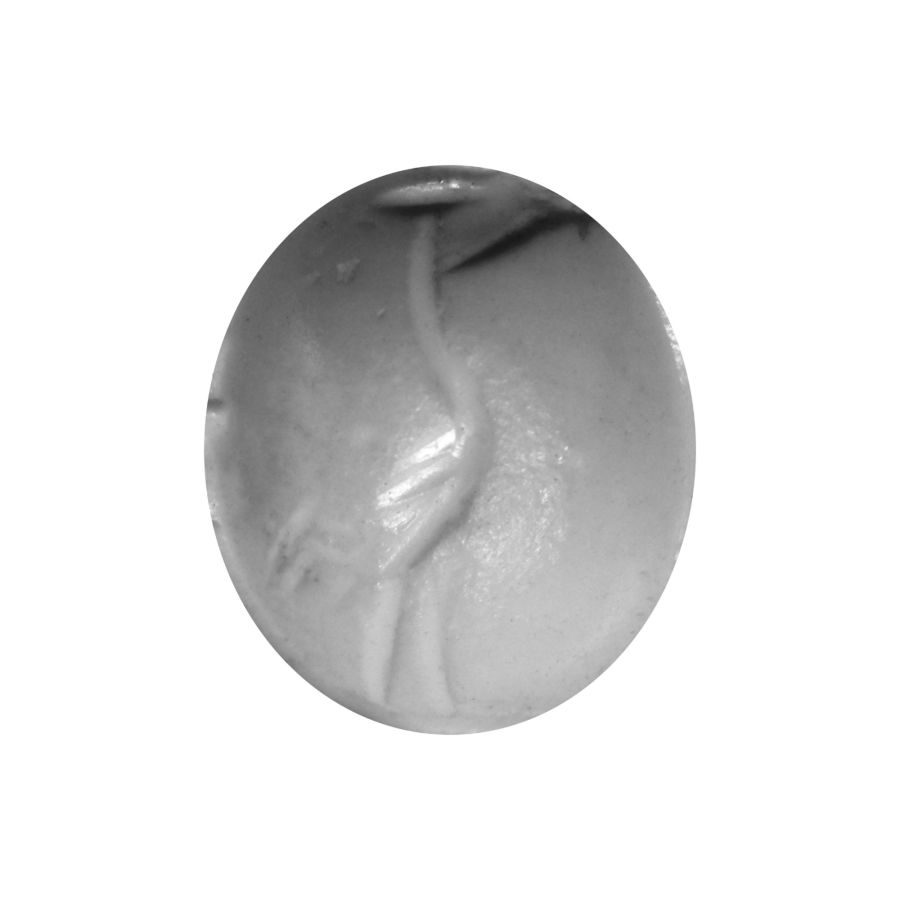
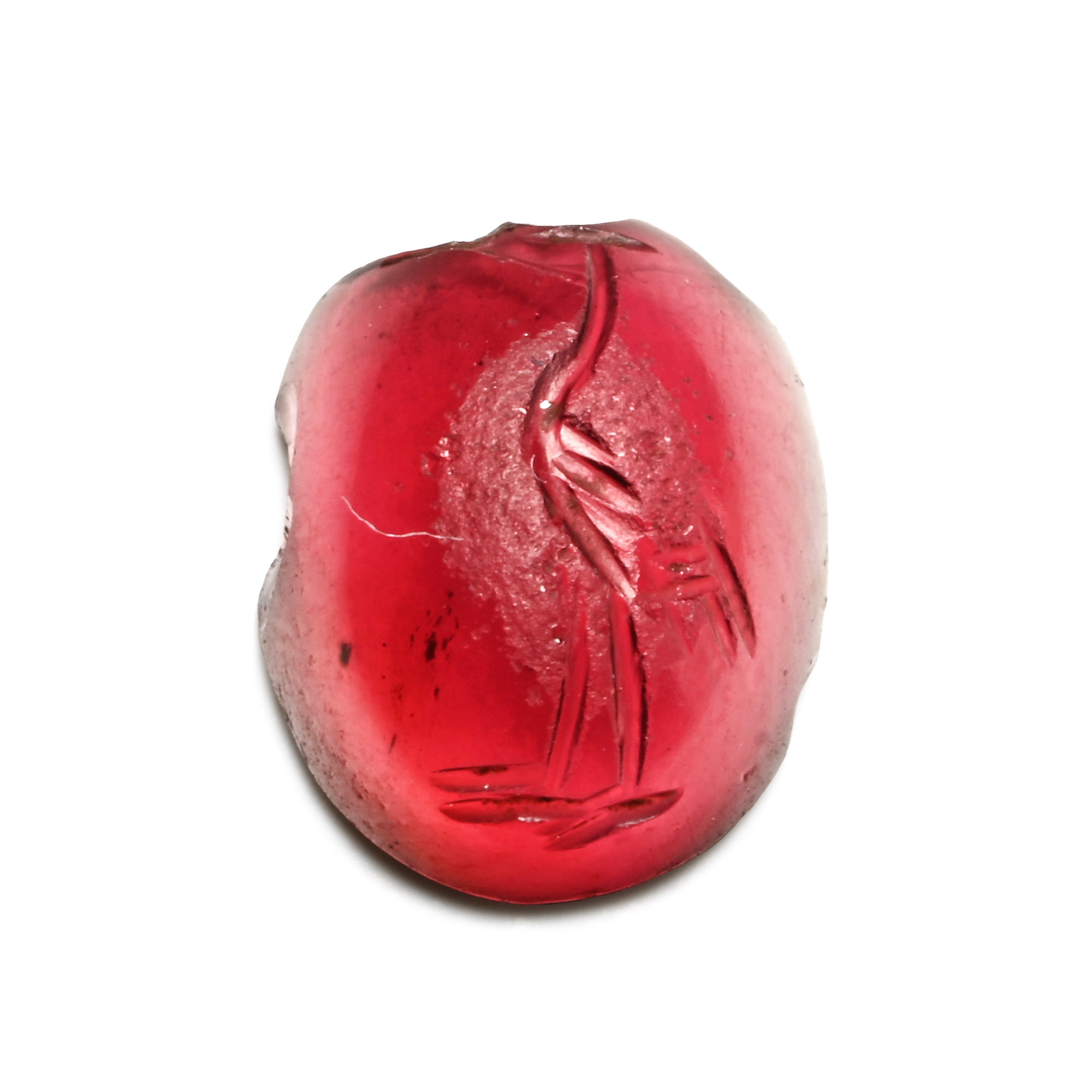
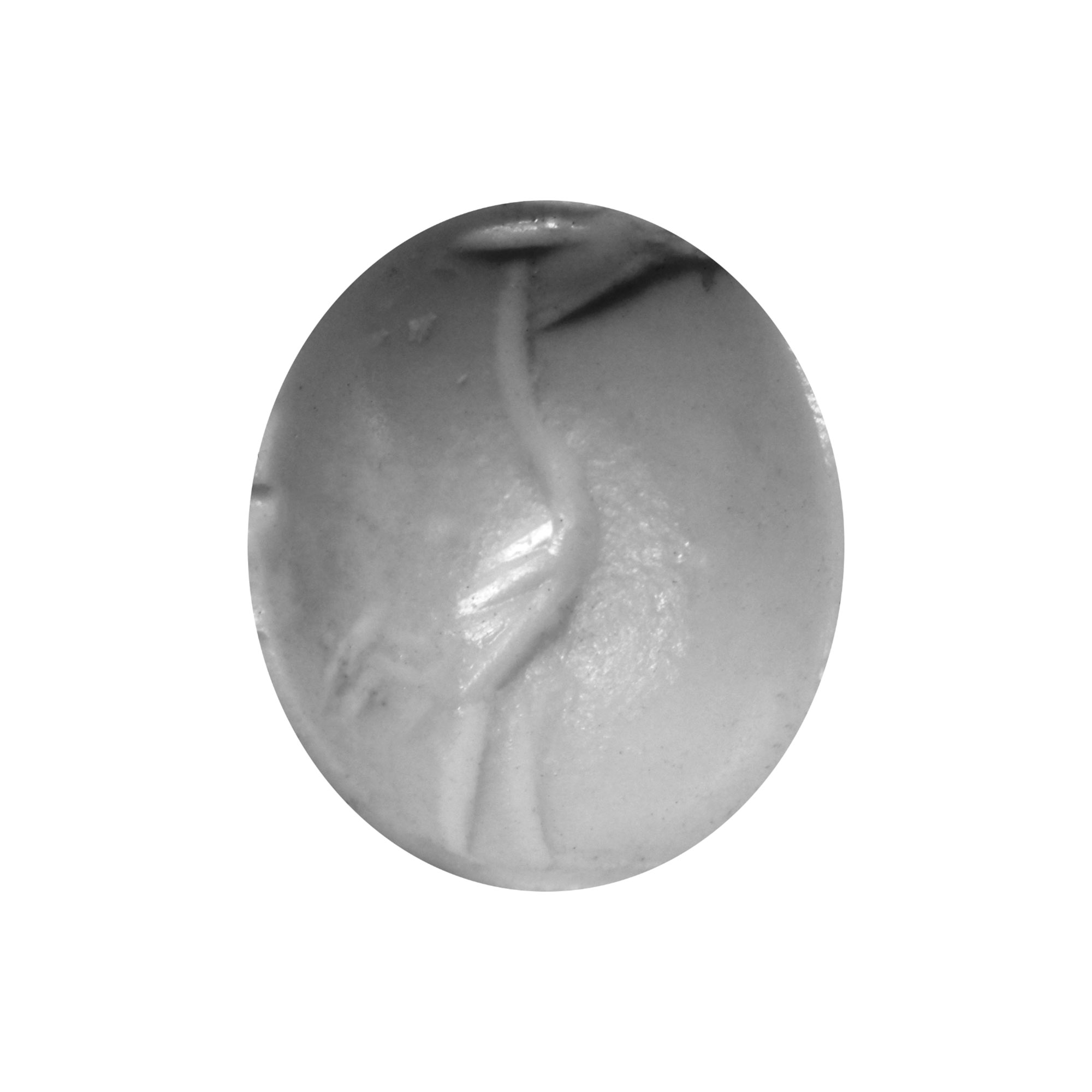
Roman Garnet Gemstone with Standing Crane
1ST CENTURY A.D.
1/8 in. (0.33 grams, 8 mm).
Domed type with incuse design of a standing crane with head tilted upwards; supplied with a museum-quality impression. [No Reserve]
ProvenanceFrom the private collection of a European gentleman (1942-2024), formed since the 1970s.
CONDITIONTimeLine Auctions follows a vetting process to ensure the authenticity and legality of all items, reinforcing our commitment to integrity and responsible trading. Each antiquity, antique, and coin lot undergoes thorough examination by a vetting committee of at least ten external specialists, professional trade association members, scientists, and archaeologists: Our Vetting Process
AUCTIONS:
TimeLine is a leading auction house specialising in antiquities, ancient art, collectables, natural history, coins, medals, and books. Our auctions offer museums, collectors, historians, and enthusiasts the opportunity to acquire unique and historically significant pieces.
-
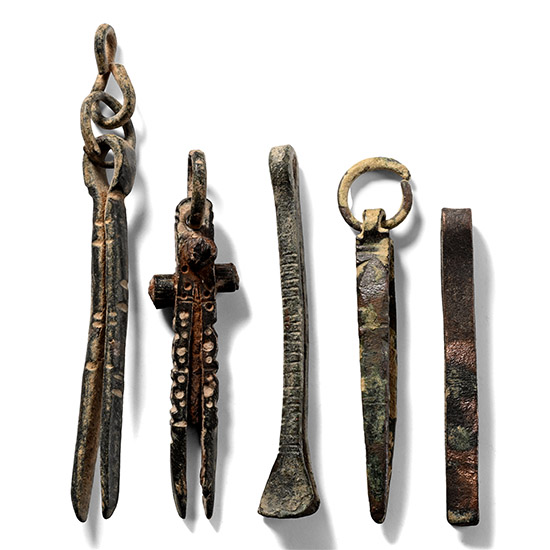
Late Roman Bronze Decorated Tweezer Collection
4th-6th century A.D.Sold for (Inc. bp): £286
Comprising five pairs, each of a different type, including one hinged tweezer-type tool with remains of a ferrous insert. 28.58 grams total, 47-75 mm
Ex German art market, 2000s. Acquired from an EU collector living in London. From the collection of a Surrey, UK, gentleman. -
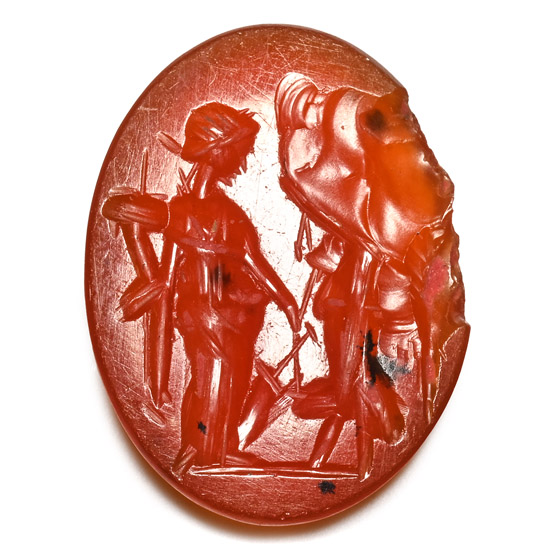
Roman Carnelian Gemstone with Goddesses
1st-2nd century A.D.Sold for (Inc. bp): £98
Tabular type with incuse design of Fortuna standing with a cornucopia and rudder, goddess Victory before her holding tainia, the tips of her wings visible; edge chipped; supplied with a museum-quality impression. 1.02 grams, 17 mm
From the private collection of a European gentleman (1942-2024), formed since the 1970s.
A group of carnelian intaglios found in the Snettisham Hoard, Norfolk, comprised subjects like Fortuna, Diana, Spes, a modius with corn, a bird and a dolphin, from the mid-2nd century A.D. -
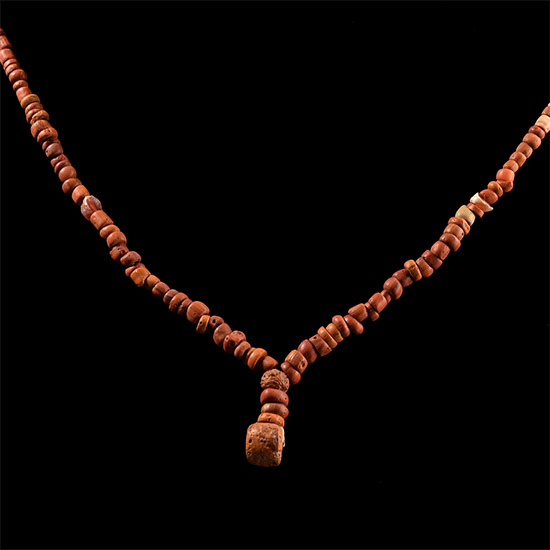
Roman Glass Bead Necklace String
1st-4th century A.D. and laterSold for (Inc. bp): £46
Composed mainly of oblate and annular beads with larger beads as a central feature, restrung. 9.78 grams, 39 cm
Acquired in the 1990s. Ex London, UK, collection.
