
Loading, please wait...
LOT 0029
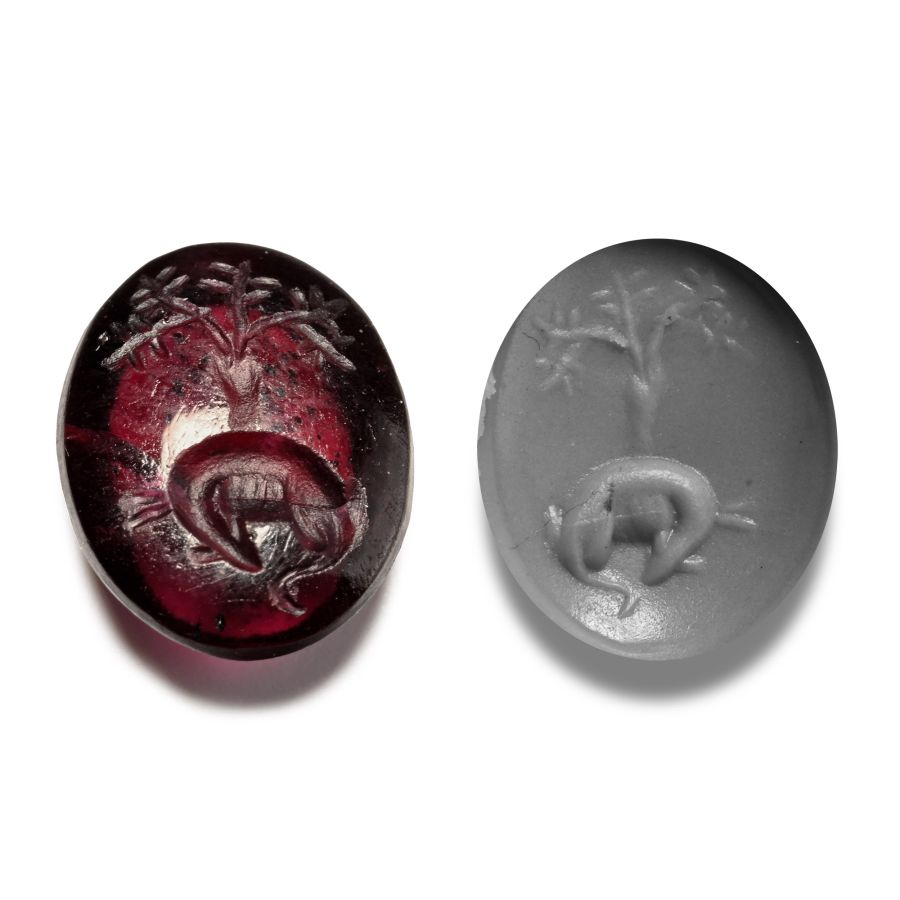
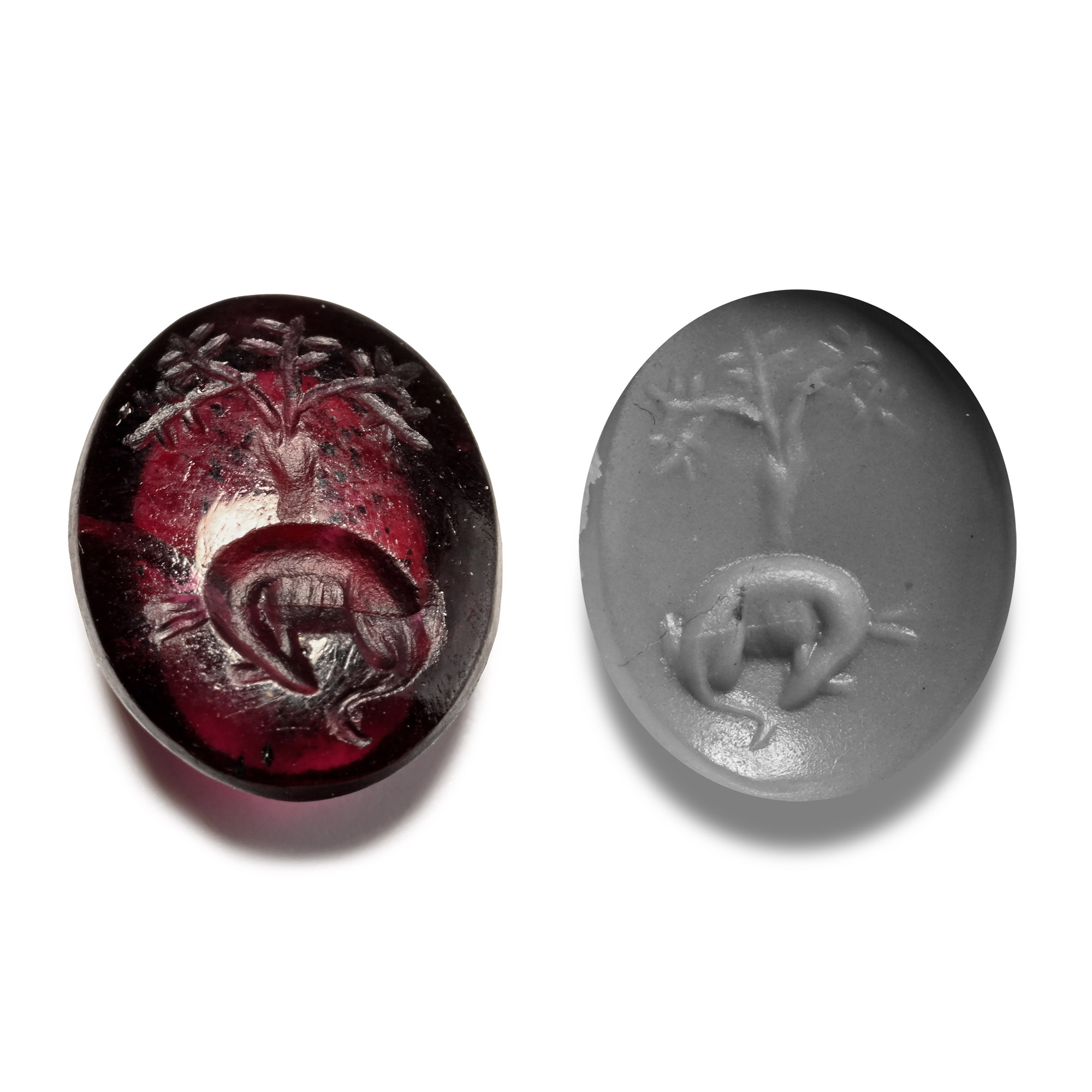
Roman Garnet Gemstone of a Sleeping Dog Under a Tree
2ND-3RD CENTURY A.D.
3/8 in. (0.54 grams, 9 mm).
Convex obverse with incuse image of a tree with spreading branches and foliage, sleeping dog curled up at the base of the trunk; supplied with a museum-quality impression.
ProvenancePrivate English collection, formed between the late 1970s and early 1990s.
Private collection, London, UK.
TimeLine Auctions follows a vetting process to ensure the authenticity and legality of all items, reinforcing our commitment to integrity and responsible trading. Each antiquity, antique, and coin lot undergoes thorough examination by a vetting committee of at least ten external specialists, professional trade association members, scientists, and archaeologists: Our Vetting Process
AUCTIONS:
TimeLine is a leading auction house specialising in antiquities, ancient art, collectables, natural history, coins, medals, and books. Our auctions offer museums, collectors, historians, and enthusiasts the opportunity to acquire unique and historically significant pieces.
-
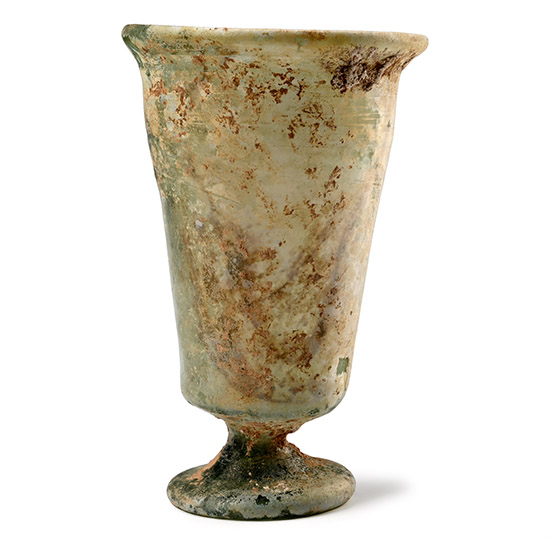
Roman Glass Footed Cup
Circa 1st-4th century A.D.Estimate: £400 - 600 (+bp*)
Opening Bid: £190
Comprising a bell-shaped sidewall with everted rim and rounded neck, low trumpet-shaped foot. 61.4 grams, 10.5 cm
From a London, UK, collection of glass, 1970-2000s. -
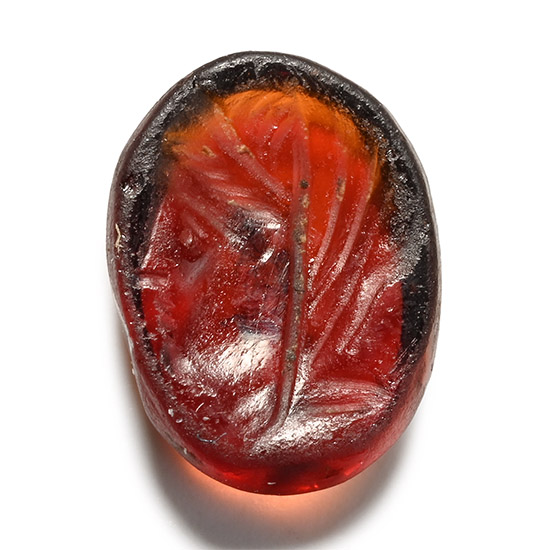
Graeco-Roman Garnet Gemstone with Veiled Head of a Queen
3rd-2nd century B.C.Sold for (Inc. bp): £585
Finely-cut profile bust of a woman with palla folded over her head and neck; possibly Ptolemaic; supplied with a museum-quality impression. 0.36 grams, 9 mm
Private English collection, formed between the late 1970s and early 1990s. Private collection, London, UK. -
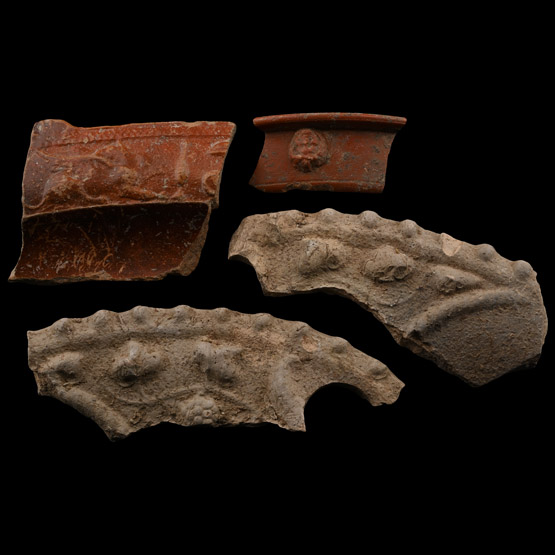
Roman Decorated Terracotta Fragment Collection
Circa 4th century A.D.Sold for (Inc. bp): £33
Including a terracotta rim fragment with resting gryphon motif, and other items. 58 grams total, 37-90 mm
Ex German art market, 2000s. Acquired from an EU collector living in London. From the collection of a Surrey, UK, gentleman.
