
Loading, please wait...

LOT 0911
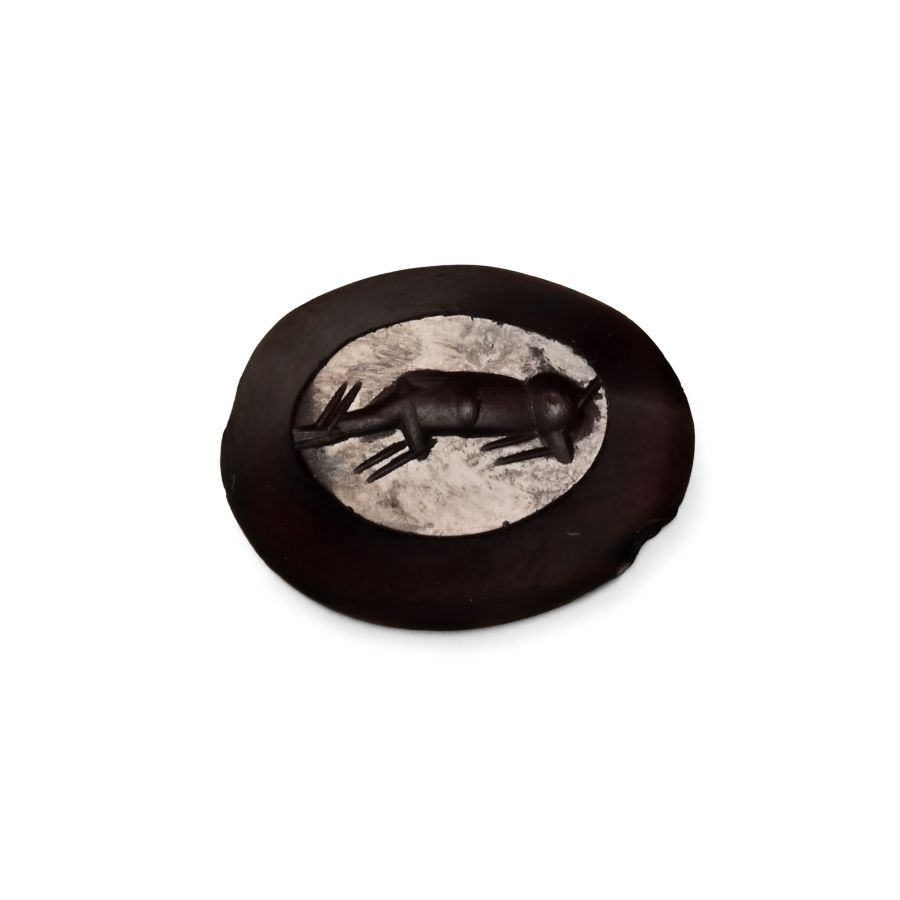
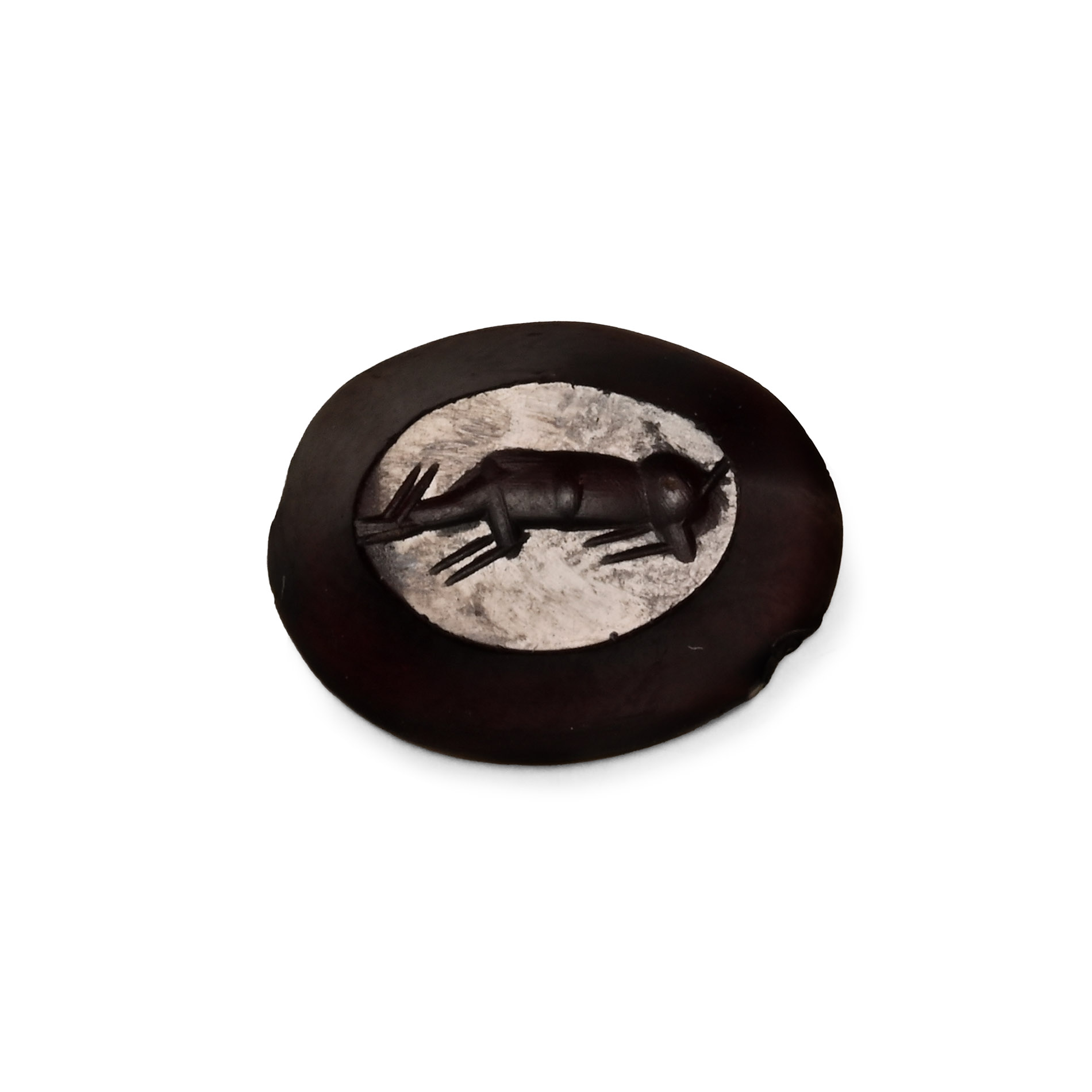
Roman Garnet Gemstone Depicting a Hunting Dog
1ST-2ND CENTURY A.D.
5/8 in. (1.62 grams, 15 mm).
Ellipsoid in plan with intaglio hound crouching.
ProvenanceFrom the private collection of Mr K.A., acquired in the 1990s-early 2000s.
CONDITIONTimeLine Auctions follows a vetting process to ensure the authenticity and legality of all items, reinforcing our commitment to integrity and responsible trading. Each antiquity, antique, and coin lot undergoes thorough examination by a vetting committee of at least ten external specialists, professional trade association members, scientists, and archaeologists: Our Vetting Process
AUCTIONS:
TimeLine is a leading auction house specialising in antiquities, ancient art, collectables, natural history, coins, medals, and books. Our auctions offer museums, collectors, historians, and enthusiasts the opportunity to acquire unique and historically significant pieces.
LOT 0911
Roman Garnet Gemstone Depicting a Hunting Dog
Estimate £250 - 350€290 - 410 (for guidance only)$340 - 470 (for guidance only)
-

Roman Glass Bead Necklace String
1st-4th century A.D. and laterSold for (Inc. bp): £78
Composed of mainly graduated oblate beads restrung to a Y-shape with an amphora-shaped pendant. 25.8 grams, 40.7 cm
Ex property of a late Japanese collector, 1970-2000s. -
.jpg)
Roman Gold Amuletic Bull Pendant Pair
1st-2nd century A.D.Sold for (Inc. bp): £351
Each a hollow-formed sheet-gold panel with bull-head detailing to both faces, pierced at the ears for suspension. 1.21 grams total, 14 mm each
Ex Galerie Dominique Thirion, Brussels, Belgium. From the private collection of Mr K.A. -
Roman Terracotta Ribbed Jar with Handles
1st-2nd century A.D.Sold for (Inc. bp): £52
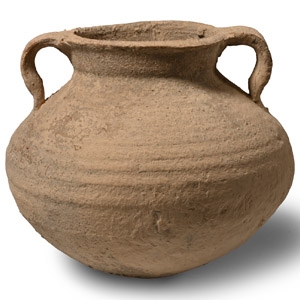
Comprising squat body with rounded underside, horizontal ribs to the shoulder, flared neck with chamfered rim, lateral strap handles to the shoulder. 335 grams, 14.1 cm
Acquired from Ancient Art, London, UK, in 2011. Ex property of an Essex, UK, gentleman.
