
Loading, please wait...
LOT 0034
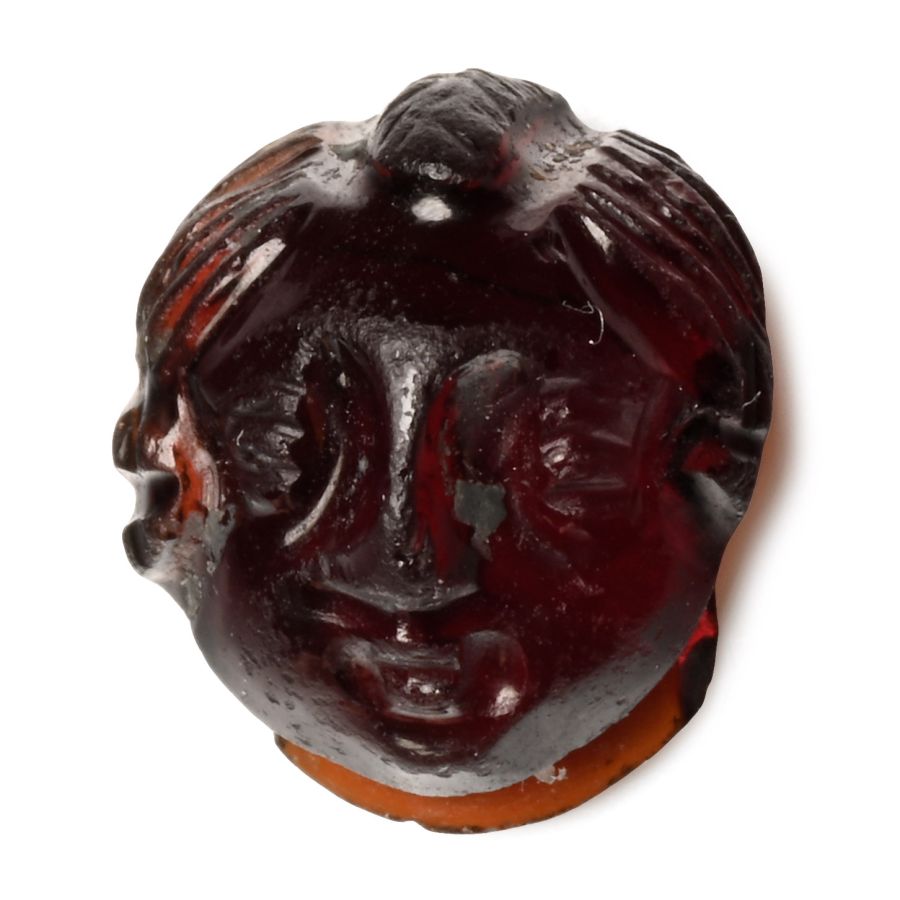
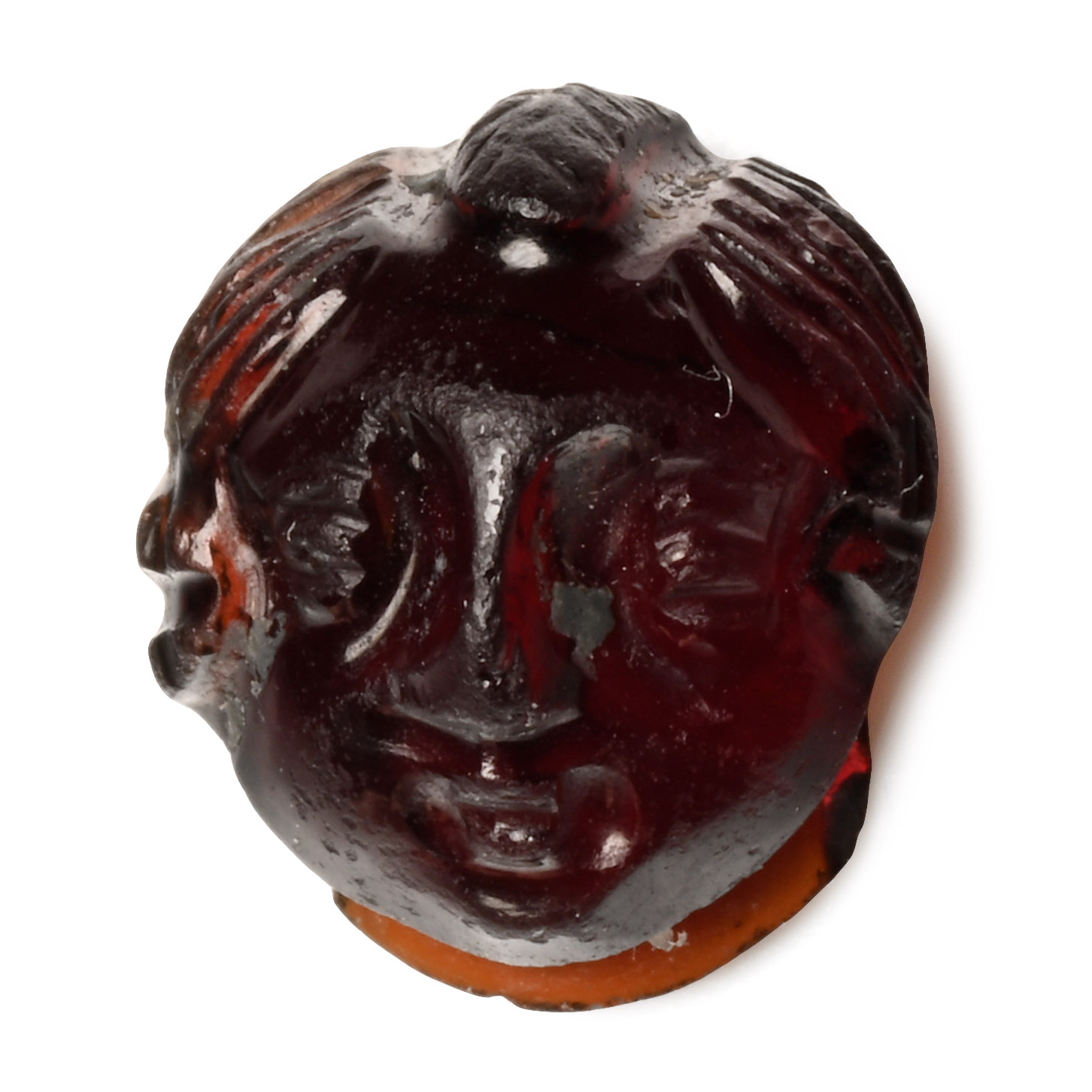
Roman Garnet Cameo of Eros, the Greek God of Love
1ST CENTURY B.C.-1ST CENTURY A.D.
3/8 in. (0.76 grams, 9 mm).
With the head of Eros (Cupid), the god of love, facing; supplied with a museum-quality impression.
ProvenancePrivate English collection, formed between the late 1970s and early 1990s.
Private collection, London, UK.
TimeLine Auctions follows a vetting process to ensure the authenticity and legality of all items, reinforcing our commitment to integrity and responsible trading. Each antiquity, antique, and coin lot undergoes thorough examination by a vetting committee of at least ten external specialists, professional trade association members, scientists, and archaeologists: Our Vetting Process
AUCTIONS:
TimeLine is a leading auction house specialising in antiquities, ancient art, collectables, natural history, coins, medals, and books. Our auctions offer museums, collectors, historians, and enthusiasts the opportunity to acquire unique and historically significant pieces.
-
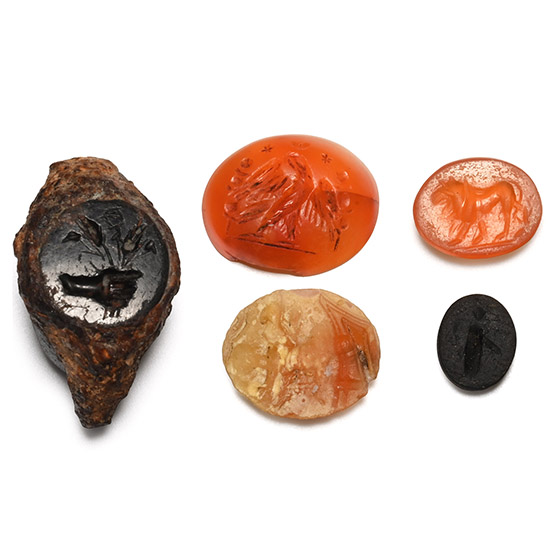
Roman Gemstone Collection
1st-3rd century A.D.Estimate: £380 - 480 (+bp*)
Opening Bid: £210
Including advancing lion, perching bird and other types; each supplied with a museum-quality impression. 3.82 grams total, 7-19 mm
From the collection of a gentleman, acquired on the London art market in the 1990s.
One of the gemstones is certainly pertinent to a military ring, representing an eagle among two signa (standards). Both shafts are decorated with multiple phalerae and lunulae. -
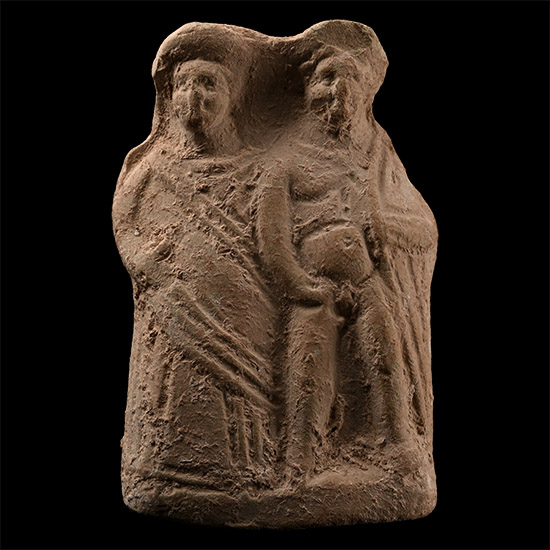
Roman Terracotta of a Couple
1st-4th century A.D.Estimate: £250 - 350 (+bp*)
Opening Bid: £125
Modelled in the half-round, two standing figures in floor-length robes. 122 grams, 95 mm
Ex private collection, London, UK, 1969-1999. -
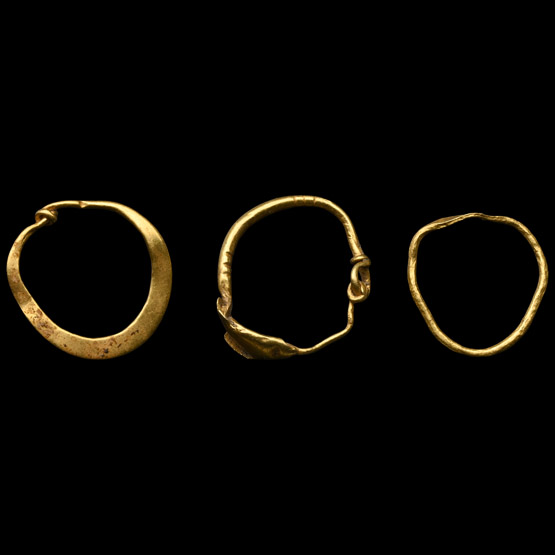
Roman Gold Earring Collection
1st-4th century A.D.Sold for (Inc. bp): £156
Comprising of round-section hoop with flat lozenge-shape bezel, round section with irregular flat bezel and knot, flat lunar-shaped with knot. 1.27 grams total, 11-14 mm
Ex H Norri collection, Milton Keynes, Bedfordshire, UK, 1980s-1990s.
