
Loading, please wait...
LOT 0696
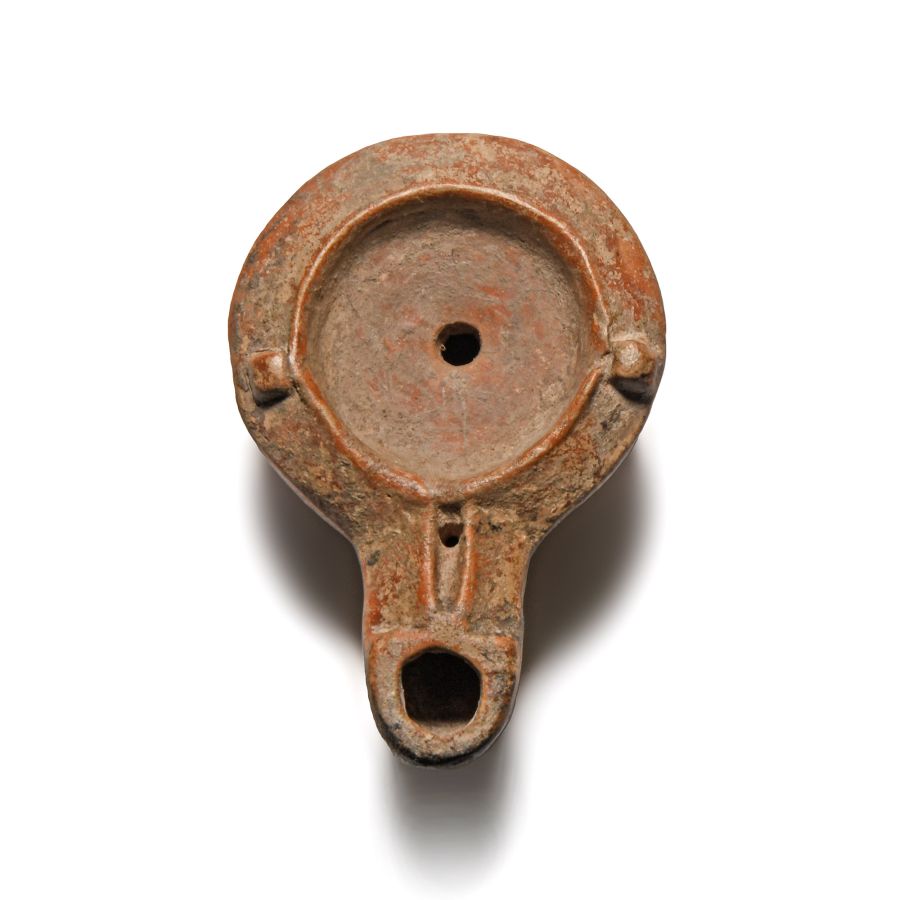
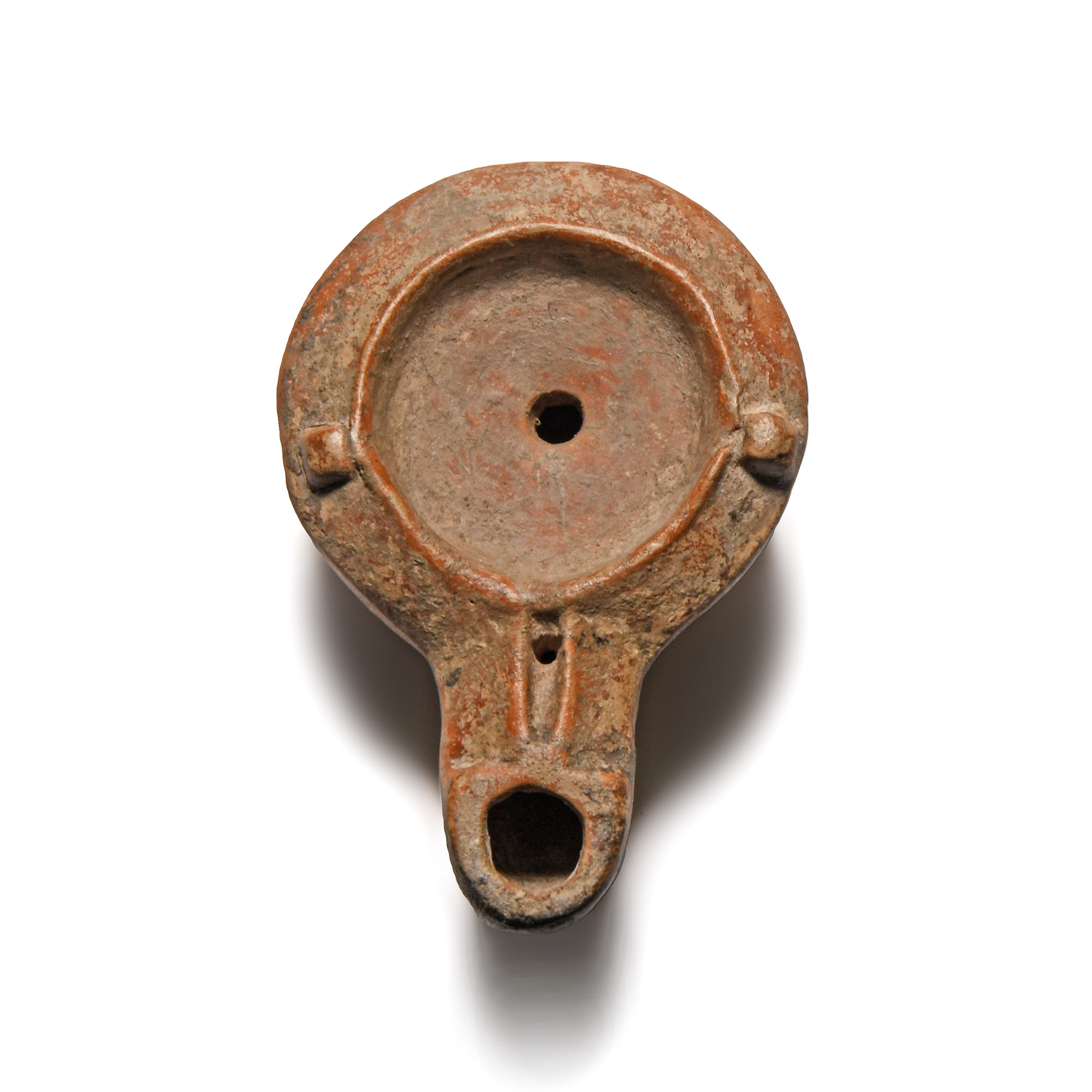
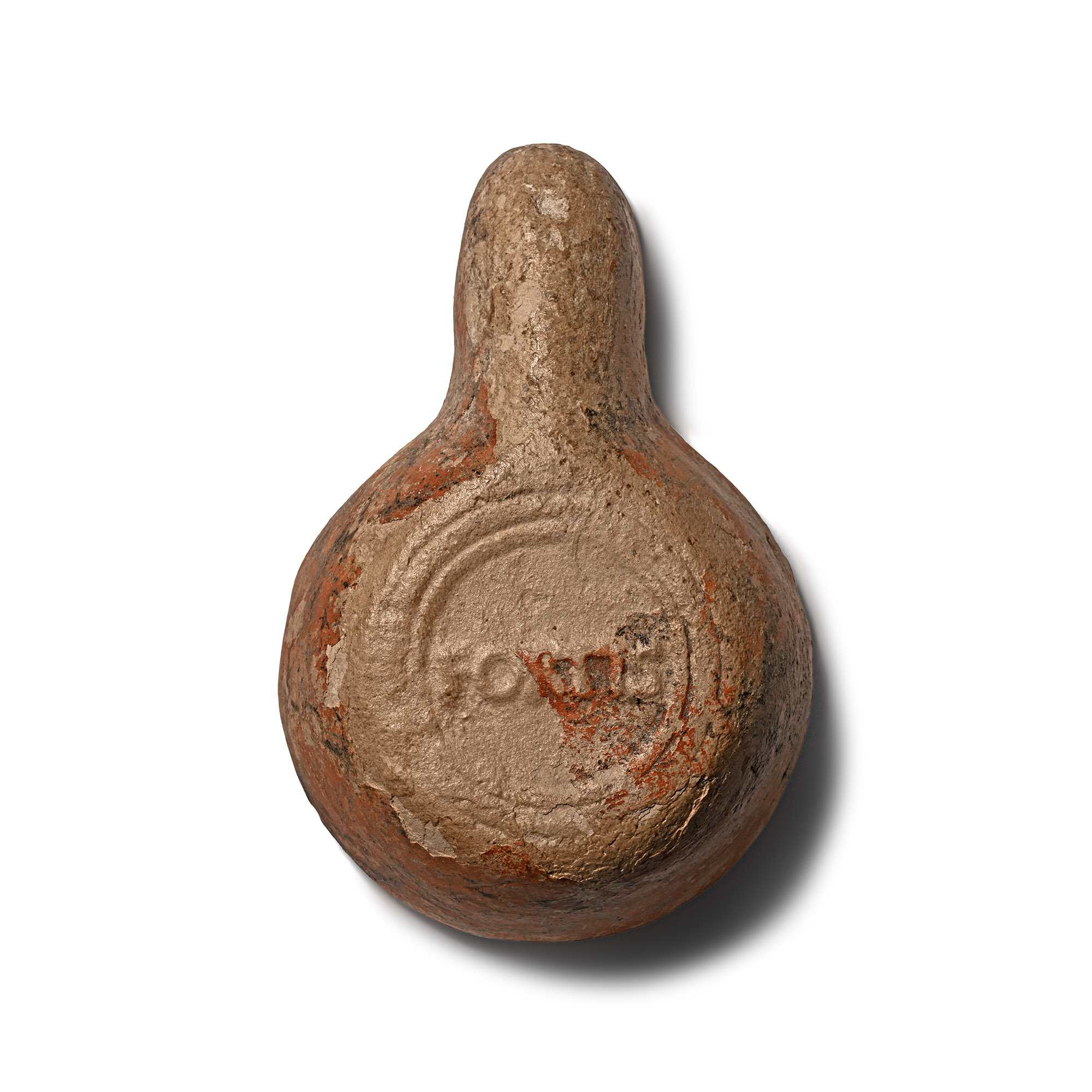
Roman FORTIS Terracotta Oil Lamp
LATE 1ST CENTURY A.D.
3 3/4 in. (77.7 grams, 96 mm).
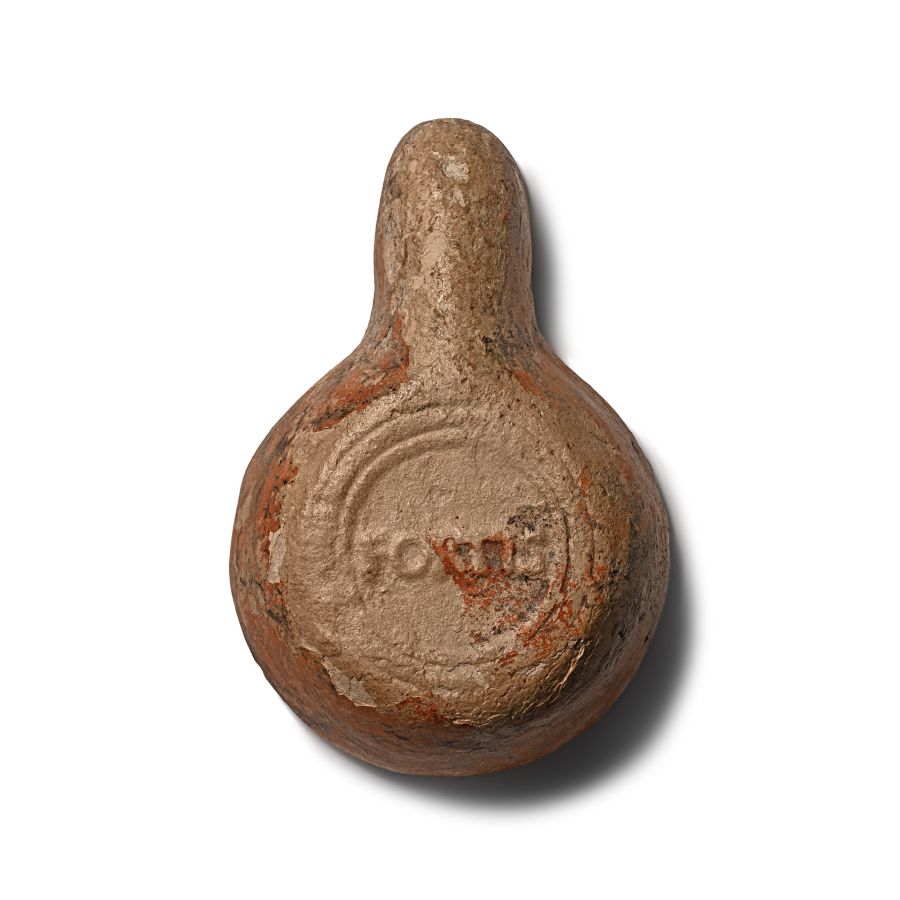
A factory lamp with flat-topped oval body, broad flat shoulder and small concave plain discus; flat bottom with Latin inscription 'FORTIS'. [No Reserve]
ProvenanceFrom the collection of a High Wycombe, Buckinghamshire, UK, gentleman, circa 2000.
LiteratureCf. identical lamp with similar inscription in the Museum of Bologna (Italy), inventory no.6259.
FootnotesAt the end of the 1st century B.C., in the Po Valley, began the industrial production of Firmalampen, i.e. lamps signed on the bottom in relief noting the place of production or fabrica. The signature FORTIS, visible on this specimen, is one of the most documented and is attributable to the workshop of L. Aemilius Fortis, recently discovered to have been in Mutina (Modena).
CONDITIONTimeLine Auctions follows a vetting process to ensure the authenticity and legality of all items, reinforcing our commitment to integrity and responsible trading. Each antiquity, antique, and coin lot undergoes thorough examination by a vetting committee of at least ten external specialists, professional trade association members, scientists, and archaeologists: Our Vetting Process
AUCTIONS:
TimeLine is a leading auction house specialising in antiquities, ancient art, collectables, natural history, coins, medals, and books. Our auctions offer museums, collectors, historians, and enthusiasts the opportunity to acquire unique and historically significant pieces.
-
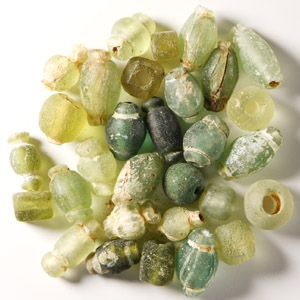
Roman Green Glass Bead Collection
Late 1st millennium B.C. and laterSold for (Inc. bp): £169
Comprising thirty lampworked green glass rounded and collared beads. 94 grams total, 11-23 mm
UK gallery, early 2000s. -
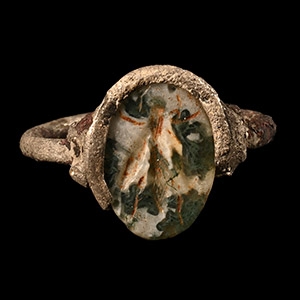
Roman Silver Ring with Fly Gemstone
3rd-4th century A.D.Sold for (Inc. bp): £572
With a round-section hoop; closed oval setting with moss agate(?) intaglio engraved with a fly with hatched abdomen. 3.31 grams, 23.14 mm overall, 18.48 mm internal diameter (approximate size British M 1/2, USA 6 1/4, Europe 13.09, Japan 12)
Acquired 1980-2015. Ex Abelita family collection. -
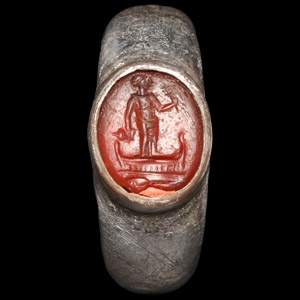
Roman Silver Ring with Isis Gemstone
1st century A.D.Sold for (Inc. bp): £338
Ellipsoid cell to the bezel, inset carnelian gemstone with intaglio Isis standing by the curved prow of a boat holding a sistrum in her raised hand. 5.53 grams, 23.13 mm overall, 17.36 mm internal diameter (approximate size British N 1/2, USA 6 3/4, Europe 14.35, Japan 13)
Old private collection, 1980s. European art market.
