
Loading, please wait...
LOT 0140
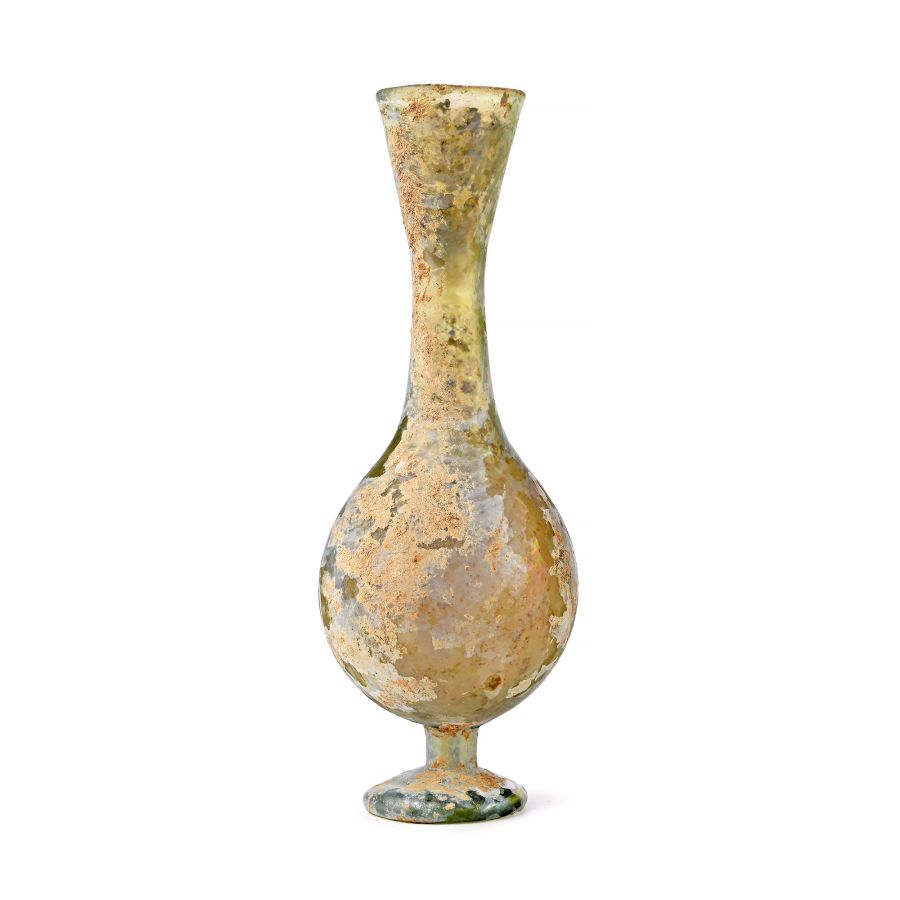
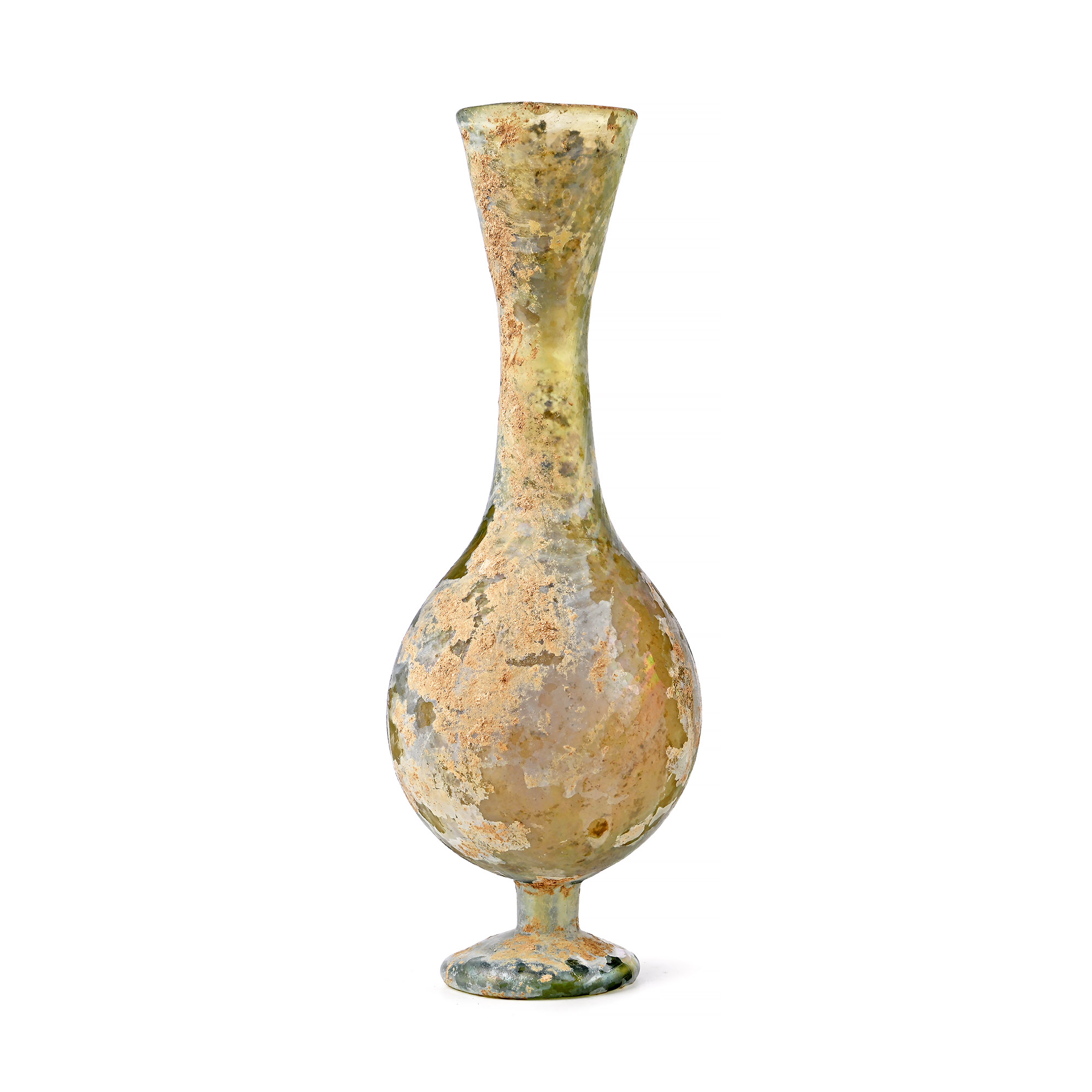
Roman Footed Glass Vessel
3RD CENTURY A.D.
6 1/2 in. (59.6 grams, 16.7 cm).
Bulbous body with a flaring foot and a tall funicular neck.
ProvenanceFrom an important London, UK, collection 1980-2020.
LiteratureCf. for a similar example Filarska, B., Szkla Starozytne (Ancient Glass), vol.II, Warszawa, 1972, II, cat.122, pl.XXVII,2.
FootnotesThis bottle originates from an Eastern workshop; however, the high quality of the glass and the grinding away of the pontil mark suggest a date in the early 3rd century AD.
CONDITIONTimeLine Auctions follows a vetting process to ensure the authenticity and legality of all items, reinforcing our commitment to integrity and responsible trading. Each antiquity, antique, and coin lot undergoes thorough examination by a vetting committee of at least ten external specialists, professional trade association members, scientists, and archaeologists: Our Vetting Process
AUCTIONS:
TimeLine is a leading auction house specialising in antiquities, ancient art, collectables, natural history, coins, medals, and books. Our auctions offer museums, collectors, historians, and enthusiasts the opportunity to acquire unique and historically significant pieces.
-
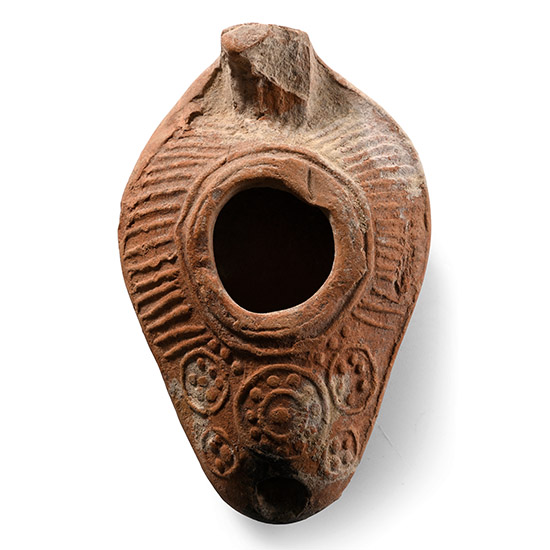
Roman Ovoid Oil Lamp with Low Relief Decoration
Holy Land, circa 2nd-3rd century A.D.Sold for (Inc. bp): £46
Stub handle to the rear, vertical ribs on the body and the nozzle with ring-and-dot motifs. 65 grams, 87 mm
Ex Ancient Art Shop, Windsor, UK, 1990s. Ex private West County, UK, collection. -
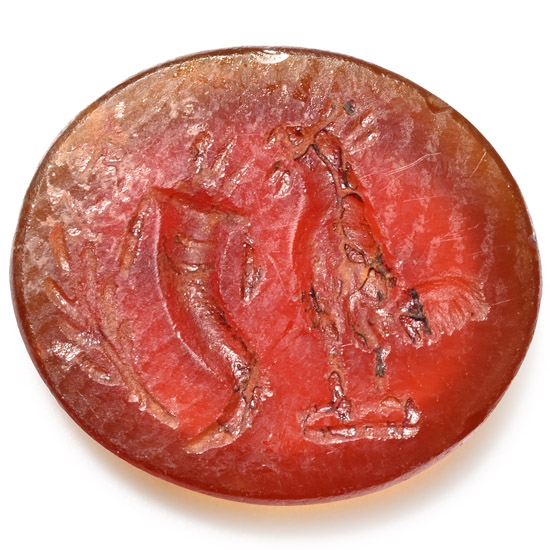
Roman Carnelian Gemstone with Cockerel and Cornucopia
2nd-3rd century A.D.Sold for (Inc. bp): £176
Oval translucent intaglio with a standing cockerel before a cornucopia and an olive sprig on the left. 0.40 grams, 11 mm
UK private collection before 2000. London collection, acquired on the UK art market. -
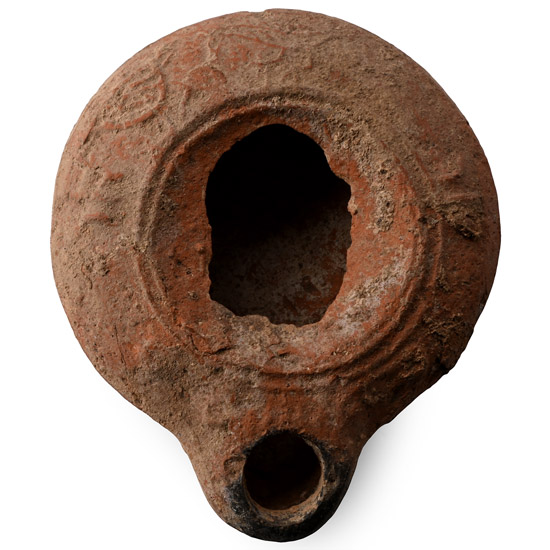
Roman Terracotta Oil Lamp with Foliate Decoration
Circa 3rd century A.D.Sold for (Inc. bp): £52
Discoid lamp with low-relief decoration on the shoulder, concentric circles on the base. 42 grams, 81 mm
From the collection of a Cambridge, UK, gentleman, by direct descent from his father, who acquired the items in London in circa 1960.
