
Loading, please wait...
LOT 0693
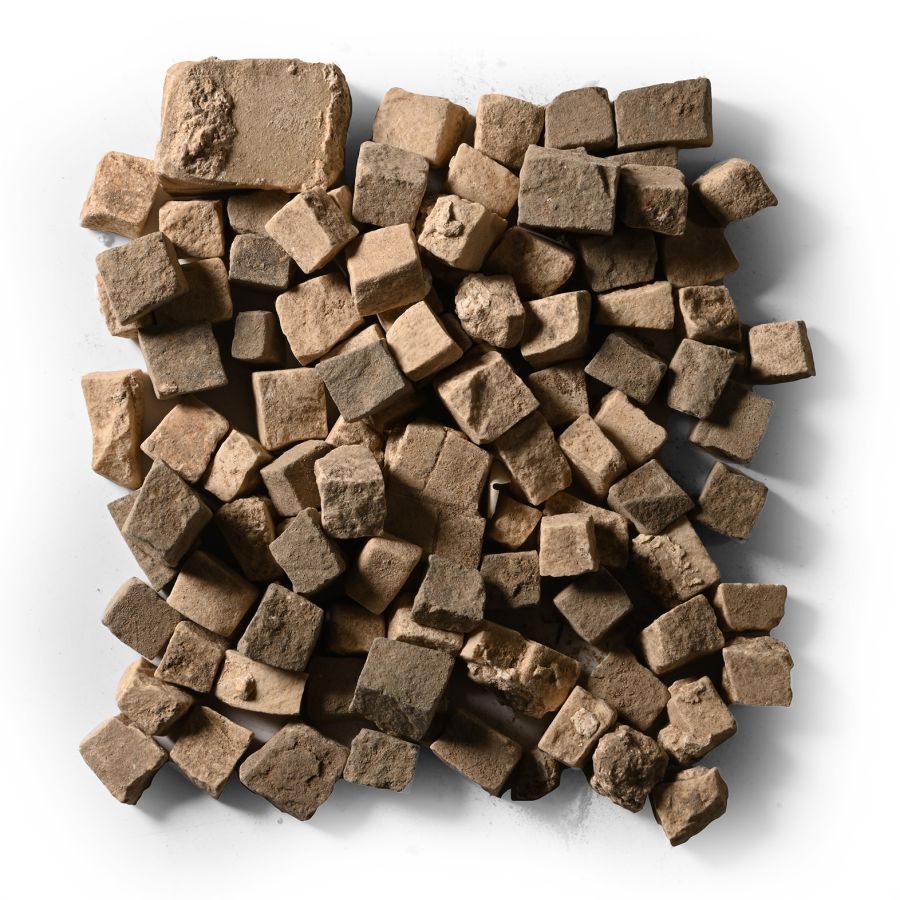
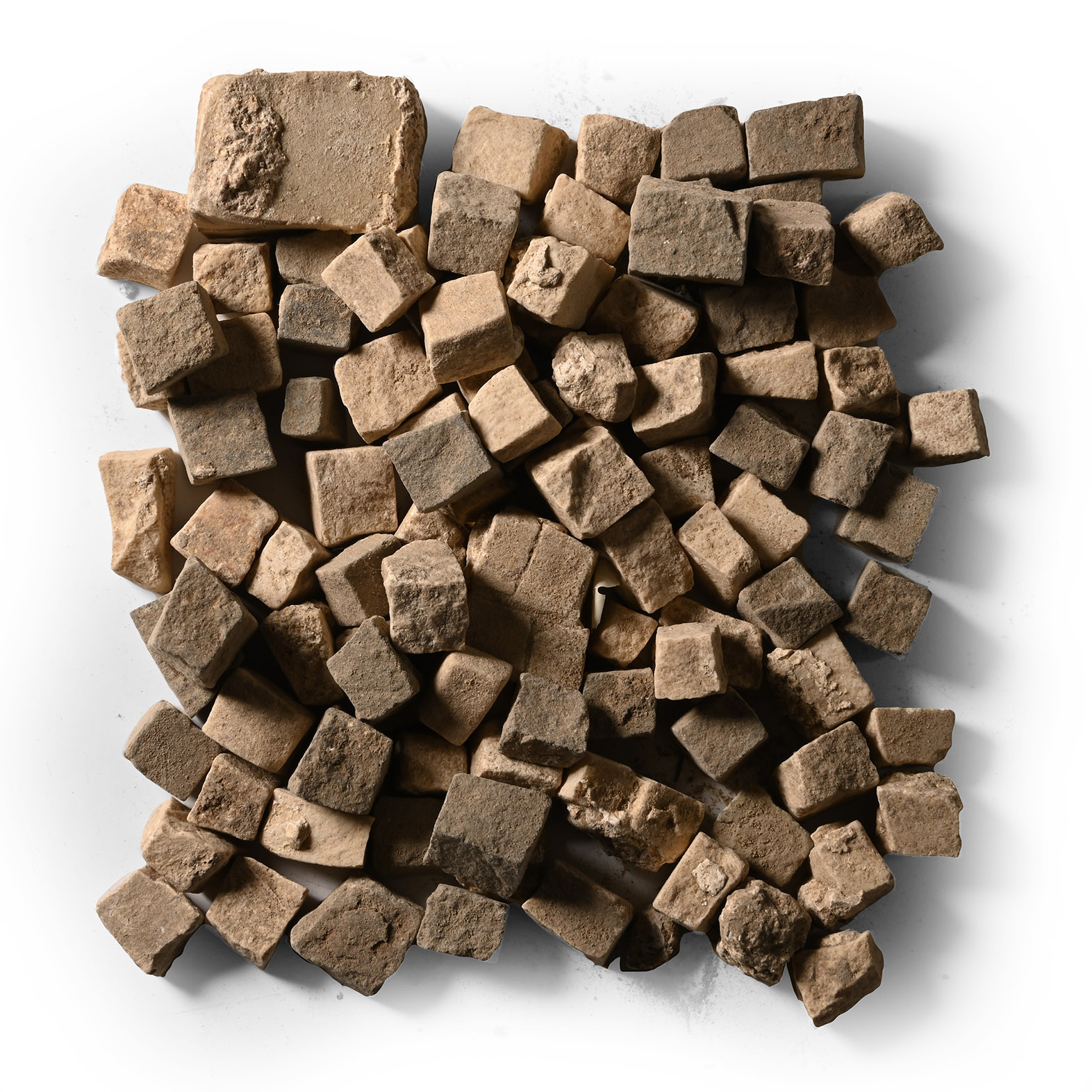
Roman Floor Mosaic Tesserae Group
1ST-4TH CENTURY A.D.
1/4 - 1 1/8 in. (182 grams total, 8-29 mm).
Mainly cuboid in form, some embedded in concrete matrix. [100, No Reserve]
ProvenanceFrom the collection of a late East Anglian teacher and antiquarian who retired to the Isle of Wight in Hampshire, UK.
He amassed a large collection of objects between the 1960s-1980s.
TimeLine Auctions follows a vetting process to ensure the authenticity and legality of all items, reinforcing our commitment to integrity and responsible trading. Each antiquity, antique, and coin lot undergoes thorough examination by a vetting committee of at least ten external specialists, professional trade association members, scientists, and archaeologists: Our Vetting Process
AUCTIONS:
TimeLine is a leading auction house specialising in antiquities, ancient art, collectables, natural history, coins, medals, and books. Our auctions offer museums, collectors, historians, and enthusiasts the opportunity to acquire unique and historically significant pieces.
-
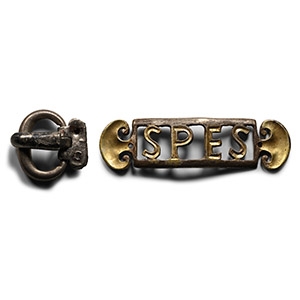
Roman Silver-Gilt SPES Belt Mount and Buckle
2nd century A.D.Sold for (Inc. bp): £260
Comprising: an openwork mount with 'SPES' in Latin capitals to the centre, pelta motif to each end; a buckle with oval loop and a rectangular plaque with rivet holes. 20.62 grams total, 26-65 mm
Ex German art market, 2000s. Acquired from an EU collector living in London. From the collection of Surrey, UK, gentleman. -
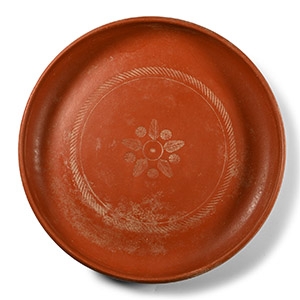
Roman Decorated 'Terra Sigillata' Redware Dish
North Africa, 4th century A.D.Sold for (Inc. bp): £572
Terracotta dish with low sidewall, tondo with ropework border, central motif of five radiating fronds with rosettes between. 466 grams, 22.5 cm diameter
From a UK private collection. Ex London, UK, gallery. with Mallams, Oxford, UK. Property of a Bristol, UK, gentleman. -
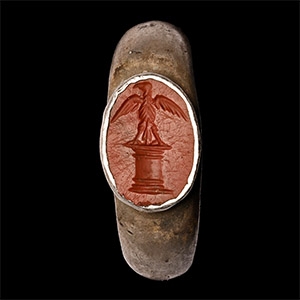
Roman Eagle Jasper Gemstone in Silver Ring
2nd-3rd century A.D.Sold for (Inc. bp): £338
Ellipsoid intaglio of an altar and eagle with its wings spread; in a later silver ring. 9.59 grams, 26.94 mm overall, 20.68 mm internal diameter (approximate size British P 1/2, USA 7 3/4, Europe 16.86, Japan 16)
Acquired on the London art market in the late 1980s-1990s. From the family collection of an East London, UK, gentleman.
