
Loading, please wait...
LOT 0680
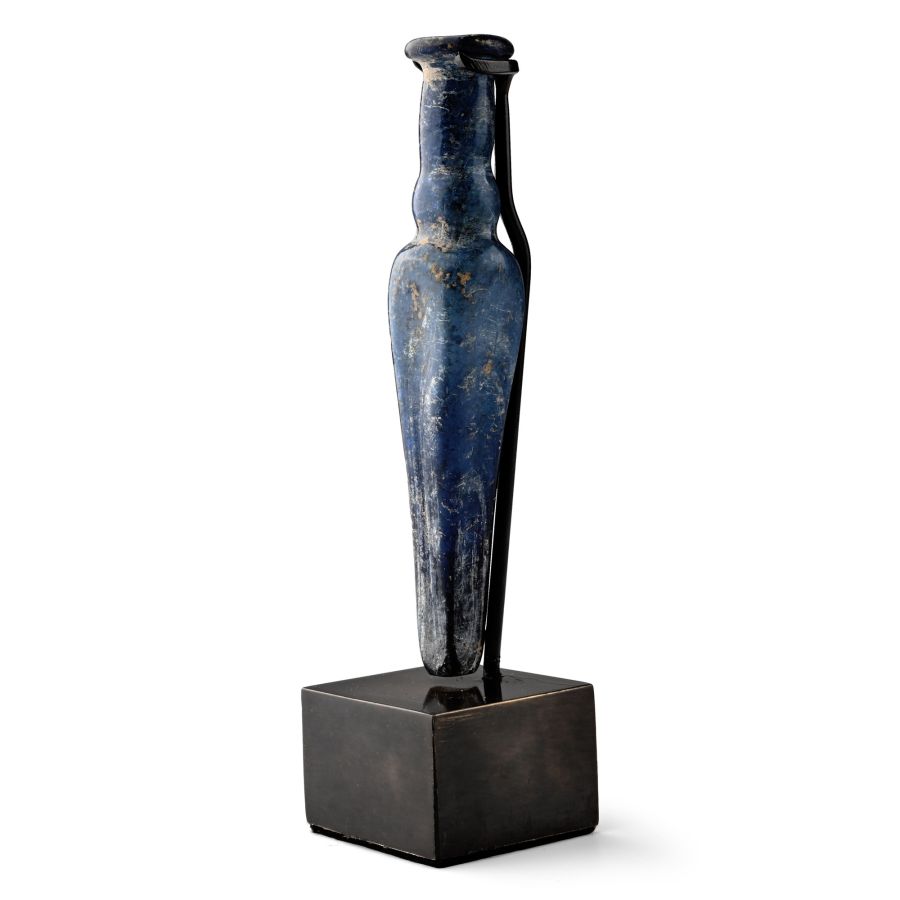
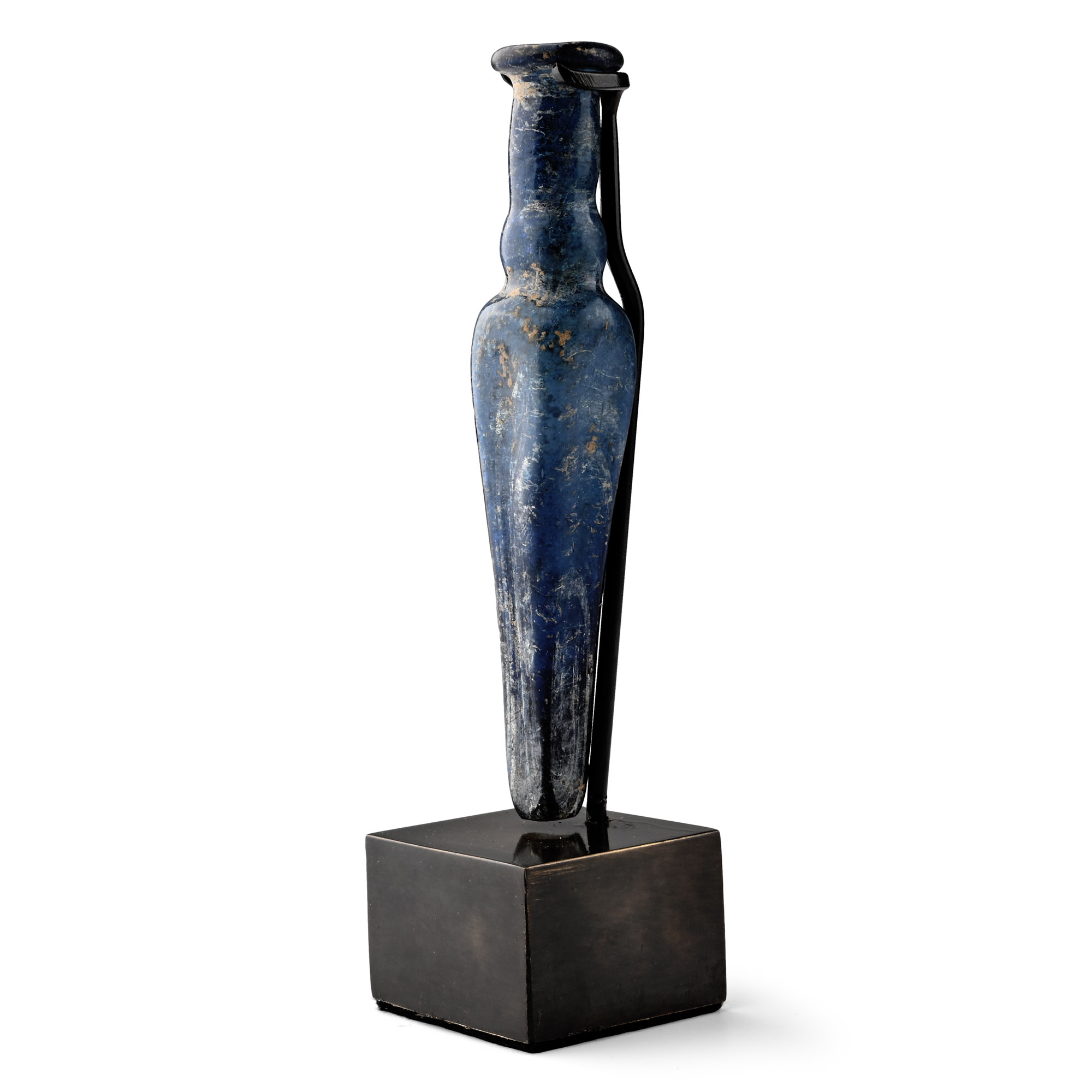
Roman Fine Blue Glass Flask
2ND-3RD CENTURY A.D.
5 5/8 in. (82 grams total, 14.3 cm including stand).
Iridescent square-section vessel with dimpled sides, tall neck and everted rim; mounted on a custom-made stand.
ProvenanceEx Mayfair, London, UK, gallery, 1990s-2000s.
From an important collection of glass, the property of a London gentleman.
This lot is accompanied by an illustrated lot declaration signed by the Head of the Antiquities Department, Dr Raffaele D'Amato.
TimeLine Auctions follows a vetting process to ensure the authenticity and legality of all items, reinforcing our commitment to integrity and responsible trading. Each antiquity, antique, and coin lot undergoes thorough examination by a vetting committee of at least ten external specialists, professional trade association members, scientists, and archaeologists: Our Vetting Process
AUCTIONS:
TimeLine is a leading auction house specialising in antiquities, ancient art, collectables, natural history, coins, medals, and books. Our auctions offer museums, collectors, historians, and enthusiasts the opportunity to acquire unique and historically significant pieces.
-
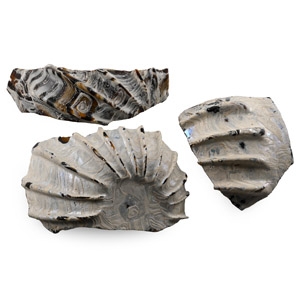
Roman Marbled Glass Fragments
2nd century A.D.Sold for (Inc. bp): £52
Including portions of patella cup, and other types. 134 grams total, 7.4-10.4 mm
Acquired on the UK art market, 1977-1979. Private collection, London. This lot is accompanied by an illustrated lot declaration signed by the Head of the Antiquities Department, Dr Raffaele D'Amato. -

Roman Bronze Ring with Amethyst Gemstone
2nd-3rd century A.D.Sold for (Inc. bp): £260
Comprising a D-section hoop with raised shoulders, rectangular bezel set with an amethyst intaglio engraved with an advancing bird. 3.33 grams, 20.86 mm overall, 14.24 mm internal diameter (approximate size British G, USA 3 1/4, Europe 4.92, Japan 4)
Acquired on the UK art market before 2000. Property of an Essex, UK, gentleman. This lot is accompanied by an illustrated lot declaration signed by the Head of the Antiquities Department, Dr Raffaele D'Amato.
Birds were often involved in the religious life of Greeks and Romans. For example, the foundation ceremony of a city had fixed rules, involving the augurs’ interpretation of allegedly divine omens, such as the flight patterns of birds. Birds were often used for children’s rings: from the villa or palace of Fishbourne, Sussex, came a gold child’s ring containing a diminutive chrome chalcedony engraved with a bird. -
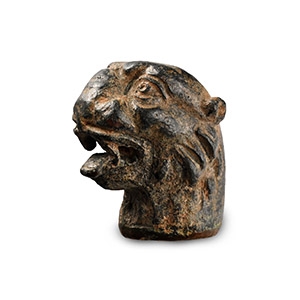
Roman Bronze Knife Pommel with Head of a Lion
1st-4th century A.D.Sold for (Inc. bp): £117
Hollow-formed with collar to the lower rim, voided mouth to accept a ring; probable knife pommel. 26.5 grams, 24 mm
From the collection of a gentleman, acquired on the London art market in the 1990s. This lot is accompanied by an illustrated lot declaration signed by the Head of the Antiquities Department, Dr Raffaele D'Amato.
