
Loading, please wait...
LOT 0622
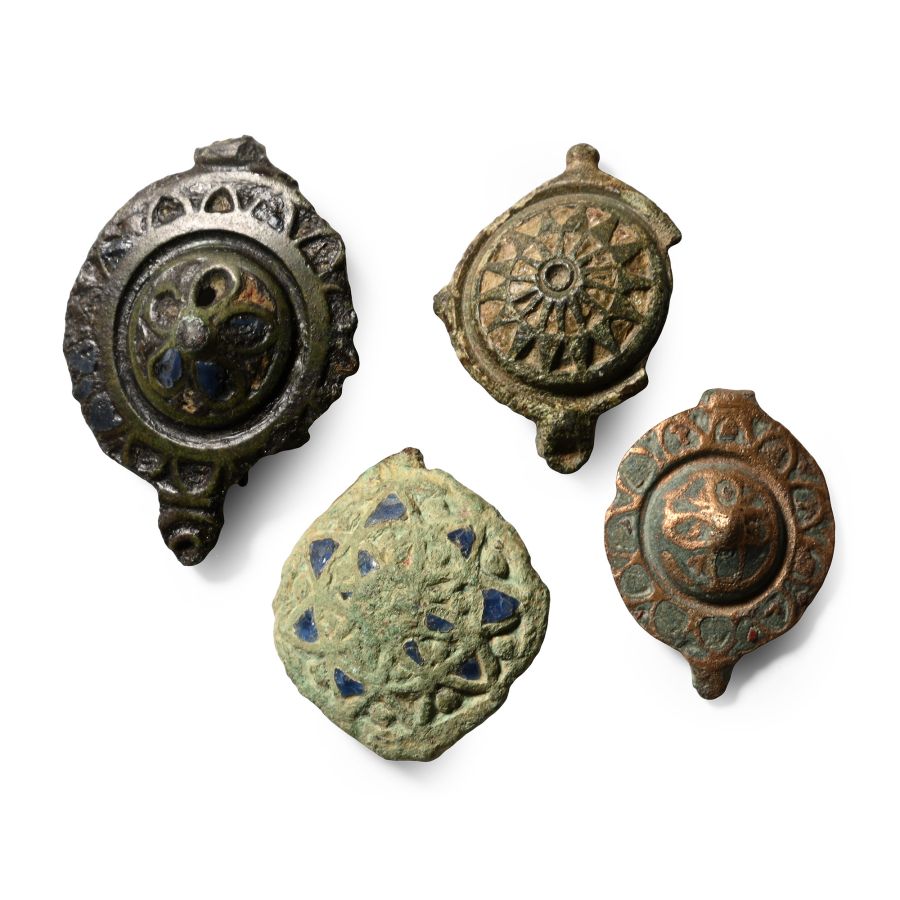
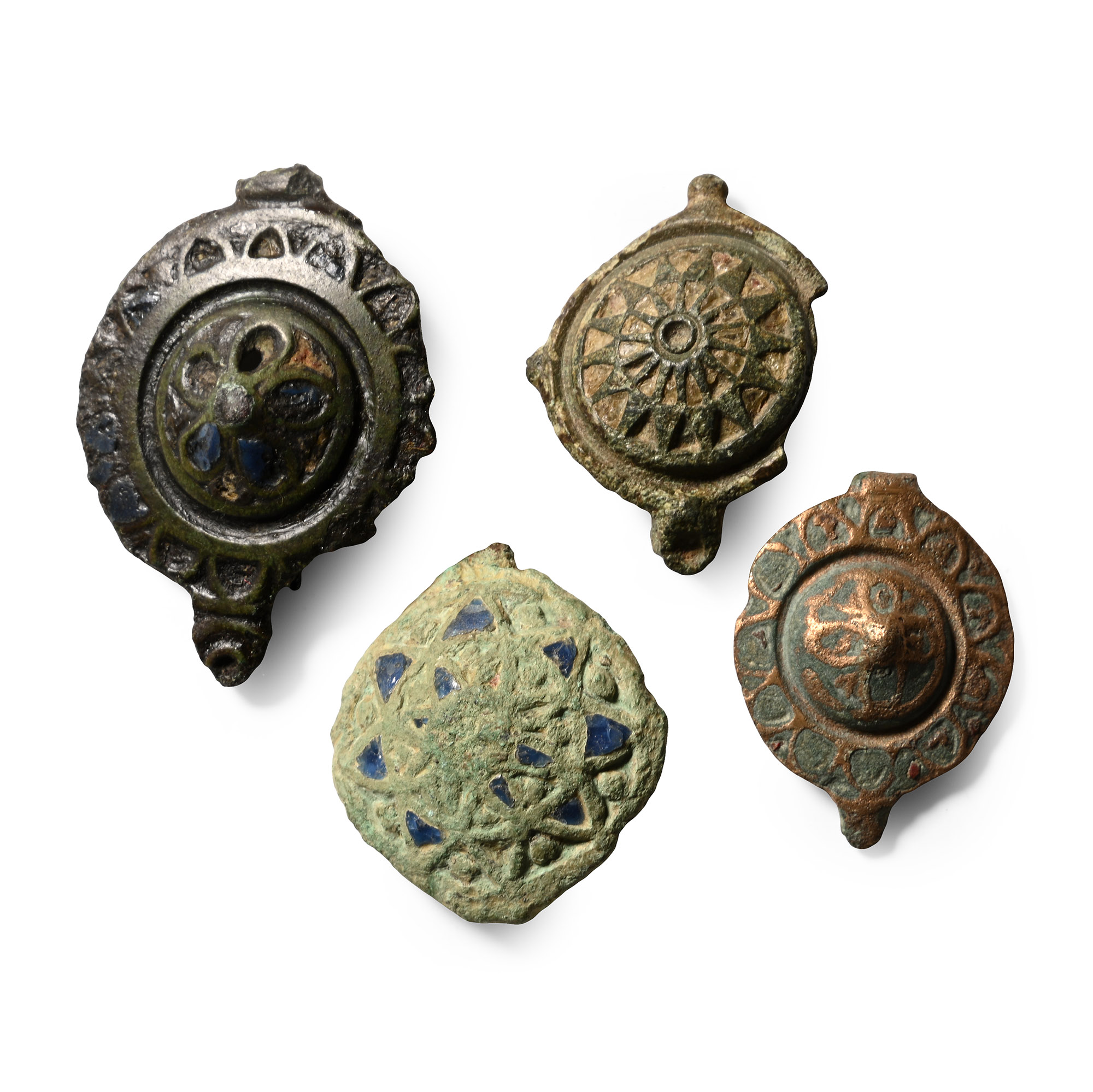
Roman Enamelled Bronze Umbonate Brooch Group
CIRCA 2ND-4TH CENTURY A.D.
1 1/8 - 1 5/8 in. (27.3 grams total, 29-40 mm).
Including one with pin to reverse, one with enamel fill to cells and other types. [4, No Reserve]
ProvenanceFrom the private collection of Mr Brian Edwards, New Malden, Surrey, UK, formed from the late 1970s-early 1980s; thence by descent.
Accompanied by two original collector's data sheet(s) with reference no.A52 & A62.
TimeLine Auctions follows a vetting process to ensure the authenticity and legality of all items, reinforcing our commitment to integrity and responsible trading. Each antiquity, antique, and coin lot undergoes thorough examination by a vetting committee of at least ten external specialists, professional trade association members, scientists, and archaeologists: Our Vetting Process
AUCTIONS:
TimeLine is a leading auction house specialising in antiquities, ancient art, collectables, natural history, coins, medals, and books. Our auctions offer museums, collectors, historians, and enthusiasts the opportunity to acquire unique and historically significant pieces.
-
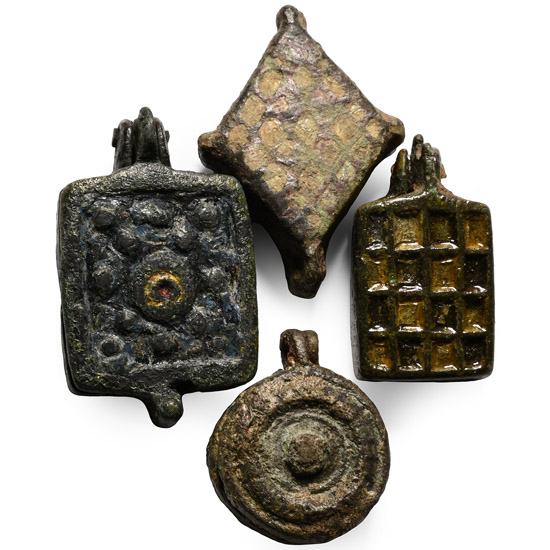
Roman Enamelled Bronze Seal Box Collection
1st-2nd century A.D.Sold for (Inc. bp): £111
Including drum-shaped, lozengiform and other types. 37.4 grams total, 22-33 mm
From the private collection of Mr Brian Edwards, New Malden, Surrey, UK, formed from the late 1970s-early 1980s; thence by descent. -
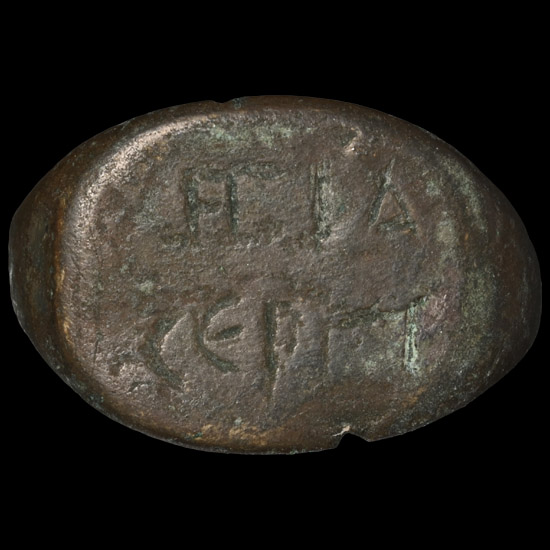
Late Roman Bronze Ring for Saint Sergios
6th-7th century A.D.Sold for (Inc. bp): £72
Broad hoop and integral plaque, incised legend ''[.]AΓIA / CEPΓI' (Saint Sergios); with old collector's catalogue ticket. 6.86 grams, 23.47 mm overall, 19.23 x 15.85 mm internal diameter (approximate size British N, USA 6 1/2, Europe 13.72, Japan 13)
From the private collection of a European gentleman (1942-2024), formed since the 1970s. -
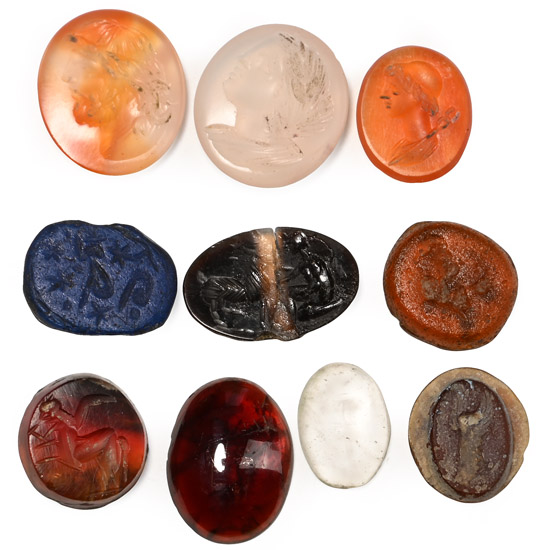
Roman and Later Gemstone Collection
Circa 2nd-3rd century A.D. and laterSold for (Inc. bp): £156
Comprising ten stone and glass intaglios and cabochons, including two with a female bust, one with a male bust, one with a cross, and others; one repaired. 6.24 grams total, 10-15 mm
Acquired on UK art market. Property of a Middlesex gentleman.
