
Loading, please wait...
LOT 0577
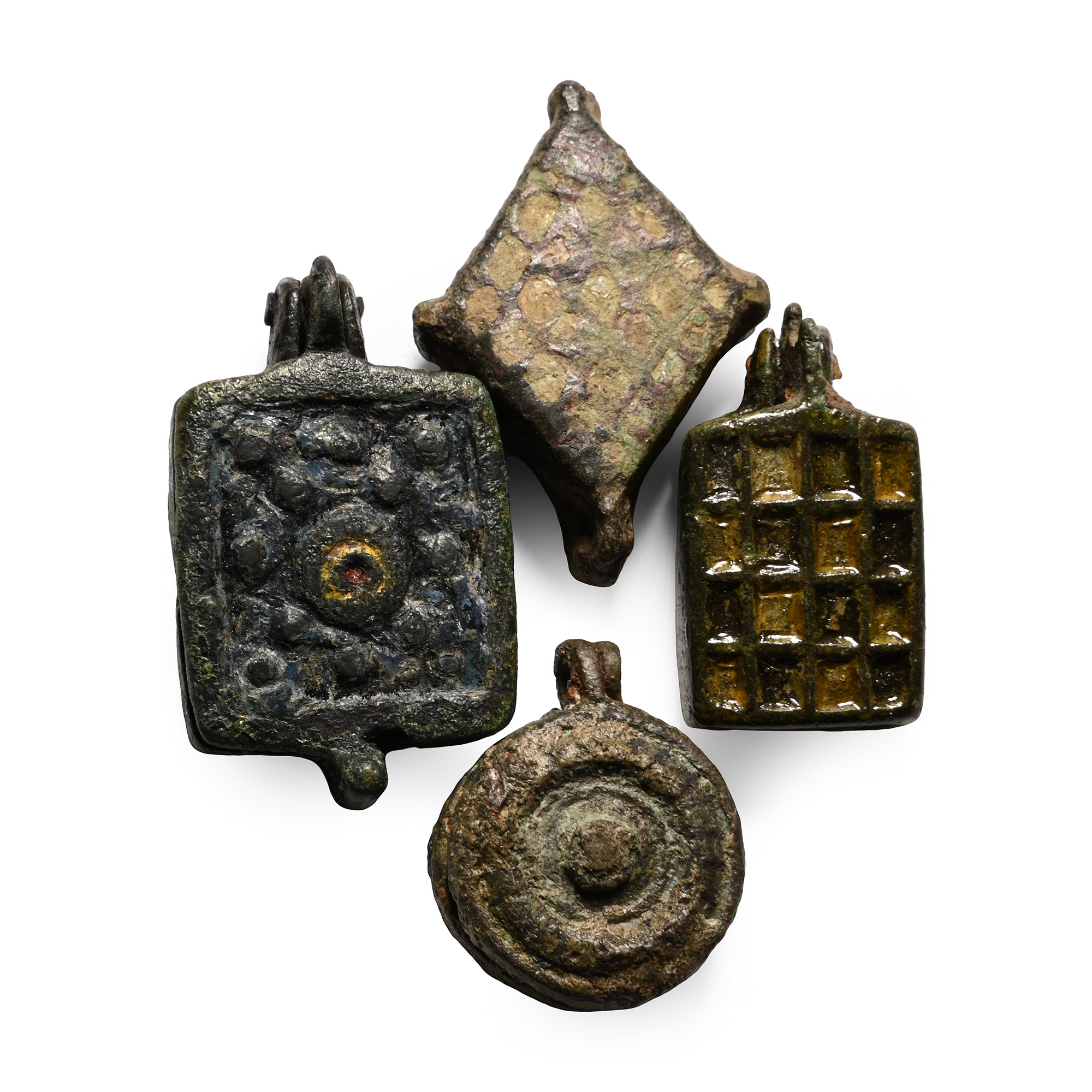
Roman Enamelled Bronze Seal Box Collection
1ST-2ND CENTURY A.D.
7/8 - 1 1/4 in. (37.4 grams total, 22-33 mm).
Including drum-shaped, lozengiform and other types. [5, No Reserve]
ProvenanceFrom the private collection of Mr Brian Edwards, New Malden, Surrey, UK, formed from the late 1970s-early 1980s; thence by descent.
CONDITIONTimeLine Auctions follows a vetting process to ensure the authenticity and legality of all items, reinforcing our commitment to integrity and responsible trading. Each antiquity, antique, and coin lot undergoes thorough examination by a vetting committee of at least ten external specialists, professional trade association members, scientists, and archaeologists: Our Vetting Process
AUCTIONS:
TimeLine is a leading auction house specialising in antiquities, ancient art, collectables, natural history, coins, medals, and books. Our auctions offer museums, collectors, historians, and enthusiasts the opportunity to acquire unique and historically significant pieces.
-
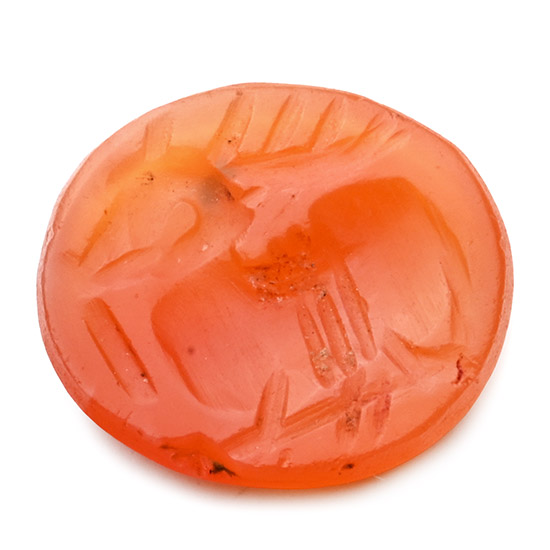
Eastern Roman Carnelian Gemstone with Stag
2nd-3rd century A.D.Sold for (Inc. bp): £46
Ellipsoid in plan with an incuse profile stag with legs folded beneath the body. 0.32 grams, 10 mm
Property of a European gentleman, acquired from the estate of a London collector (formed before 2000). -
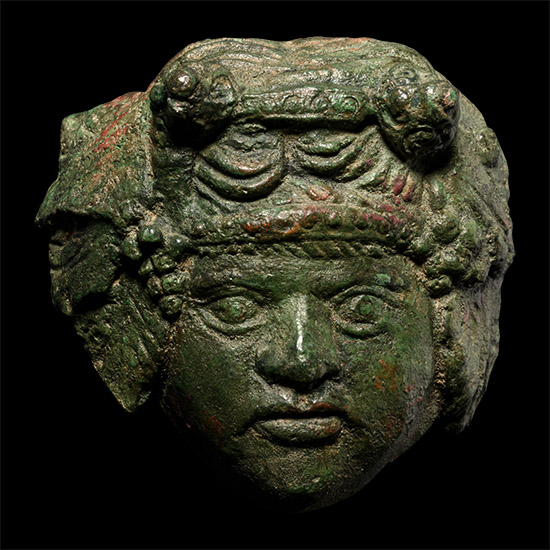
Roman Bronze Head of Dionysus Mount
1st-2nd century A.D.Sold for (Inc. bp): £546
Large convex mount depicting the head of the god of wine, shown facing with rounded cheeks and staring eyes, large vine leaves with bunches of grapes framing his face; ferrous spike on the reverse. 103 grams, 61 mm
Ex German art market, 2000s. Acquired from an EU collector living in London. From the collection of a Surrey, UK, gentleman. -
.jpg)
Roman to Post Medieval Bronze Ring Collection
1st-18th century A.D.Sold for (Inc. bp): £260
Including square bezel with incised hatched saltire, scaphoid bezel with vesica, lozenge bezel with saltire, and other types. 64 grams total, 21-27 mm
Ex German art market, 2000s. Acquired from an EU collector living in London. From the collection of a Surrey, UK, gentleman.
