
Loading, please wait...
LOT 0742
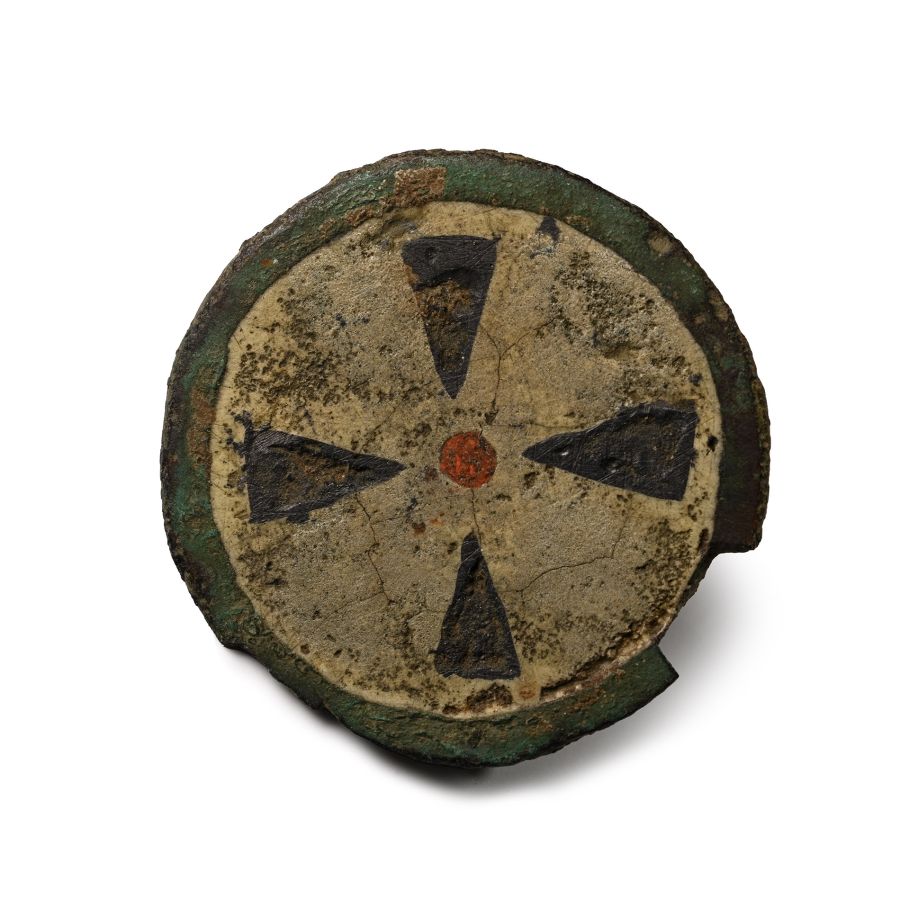
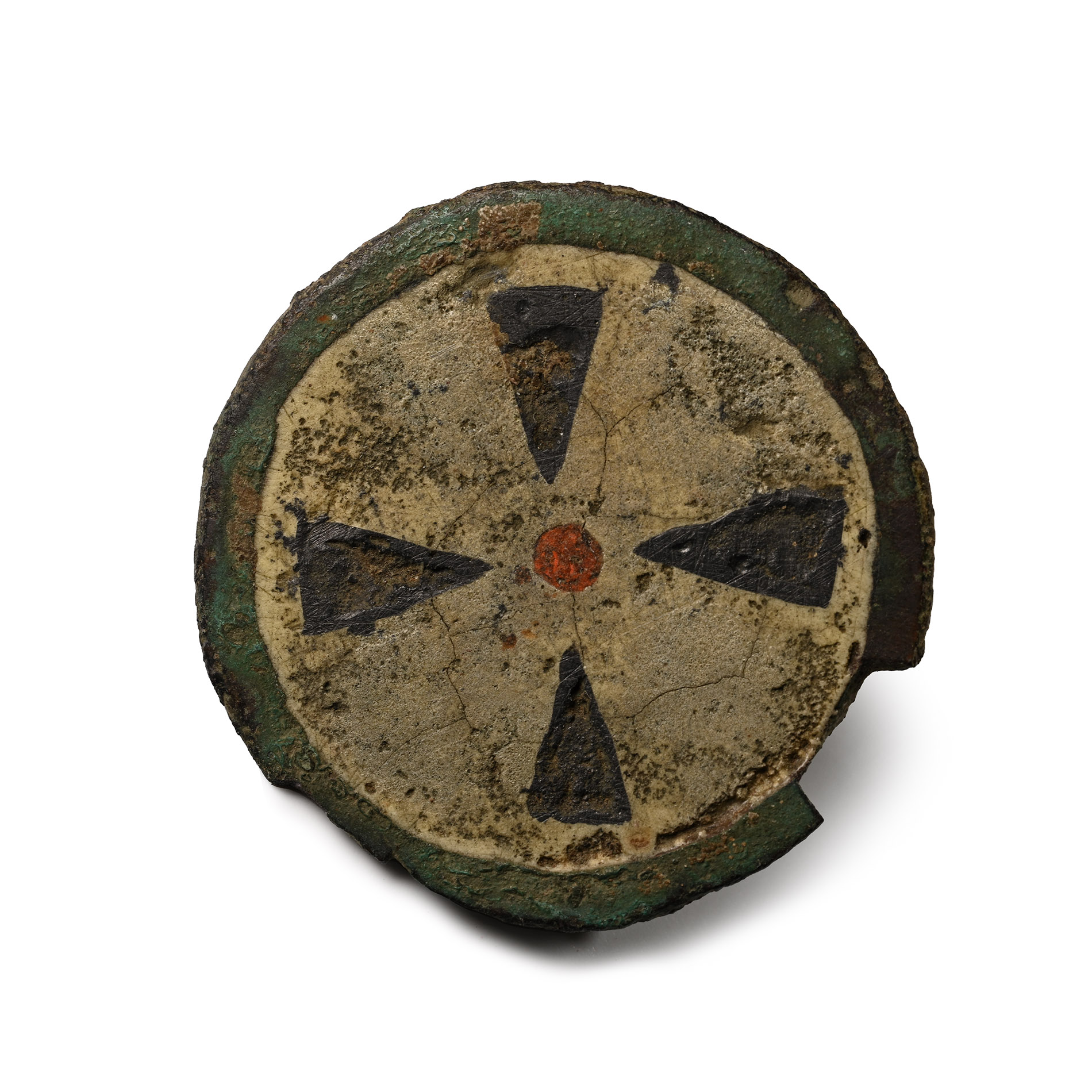
Roman Enamelled Bronze Plate Brooch
2ND CENTURY A.D.
1 3/8 in. (12 grams, 35 mm).
With four radiating triangular cells and central pellet; pin, pin-lugs and catchplate to the reverse.
ProvenanceAcquired on the London art market in the late 1980s-1990s.
From the family collection of an East London, UK, gentleman.
This lot is accompanied by an illustrated lot declaration signed by the Head of the Antiquities Department, Dr Raffaele D’Amato.
Cf. Hattatt, R., Brooches of Antiquity, Oxford, 1987, item 1049.
CONDITIONTimeLine Auctions follows a vetting process to ensure the authenticity and legality of all items, reinforcing our commitment to integrity and responsible trading. Each antiquity, antique, and coin lot undergoes thorough examination by a vetting committee of at least ten external specialists, professional trade association members, scientists, and archaeologists: Our Vetting Process
AUCTIONS:
TimeLine is a leading auction house specialising in antiquities, ancient art, collectables, natural history, coins, medals, and books. Our auctions offer museums, collectors, historians, and enthusiasts the opportunity to acquire unique and historically significant pieces.
-
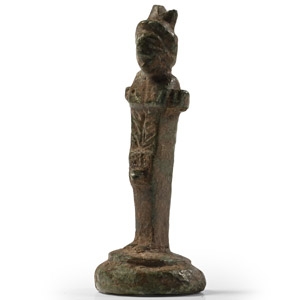
Roman Bronze Miniature Herm Statuette
1st-3rd century A.D.Estimate: £250 - 350 (‡+bp*)
Opening Bid: £125
With stepped domed base, the shank square in section and tapering with helmetted head, stub arms, chevron hatching to the chest and male genitals. 33 grams, 56 mm
Acquired in the mid 1980s-1990s. Private collection, Switzerland, thence by descent. Private collection, since the late 1990s. This lot is accompanied by an illustrated lot declaration signed by the Head of the Antiquities Department, Dr Raffaele D’Amato. -
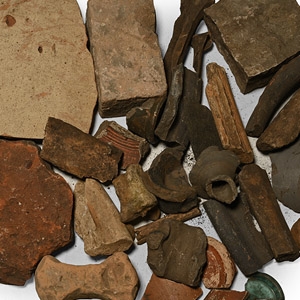
Romano-British Terracotta Vessel Fragment Collection from Crococolana
1st-4th century A.D.Sold for (Inc. bp): £20
Including fragments of tableware, storage vessels, and other items. 2.81 kg total, 3.5-16 cm
Found from the Roman settlement of Crococolana, Brough, Lincolnshire, UK, 2003-2005. Ian Wilkinson collection, Nottinghamshire, UK, formed since 1985. This lot is accompanied by an illustrated lot declaration signed by the Head of the Antiquities Department, Dr Raffaele D’Amato. -
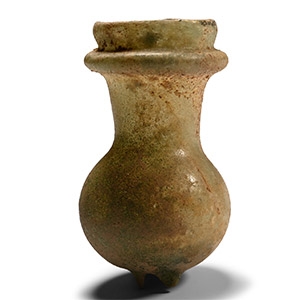
Roman Green Glass Vessel
1st-2nd century A.D.Sold for (Inc. bp): £59
Toilet bottle with pinched base, flared neck and carination below the mouth, rounded rim. 28.7 grams, 82 mm
Ex London art market 1990s. From a London, UK, collection. This lot is accompanied by an illustrated lot declaration signed by the Head of the Antiquities Department, Dr Raffaele D’Amato.
