
Loading, please wait...
LOT 0187
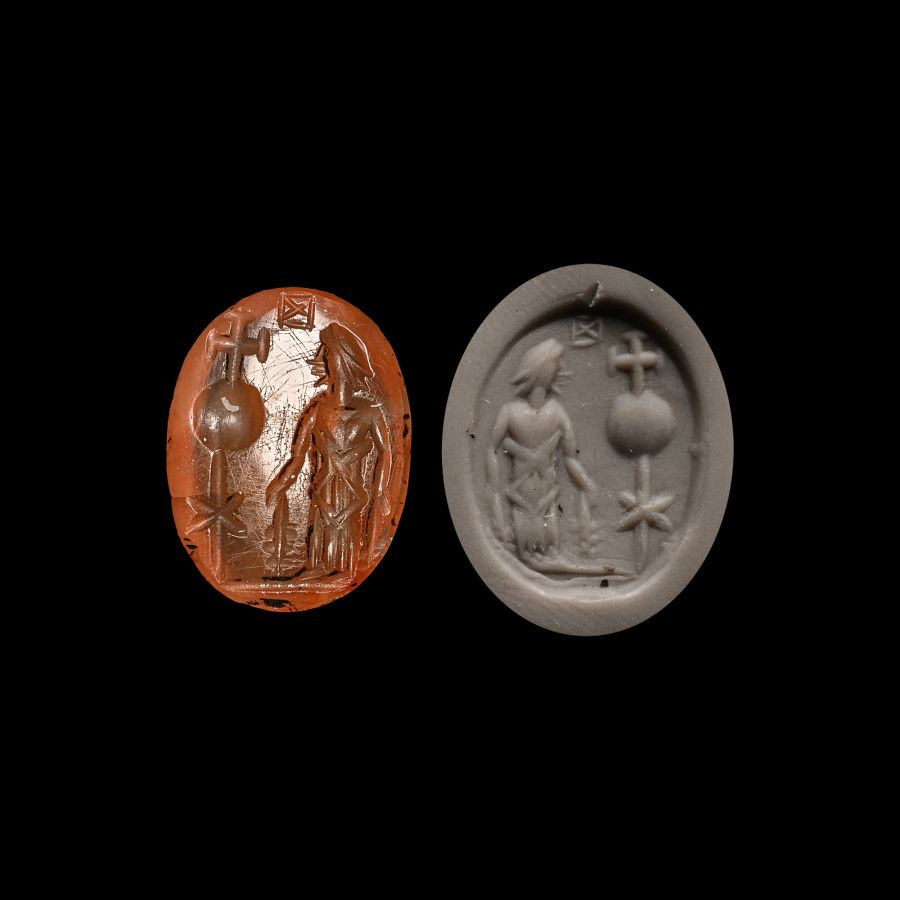
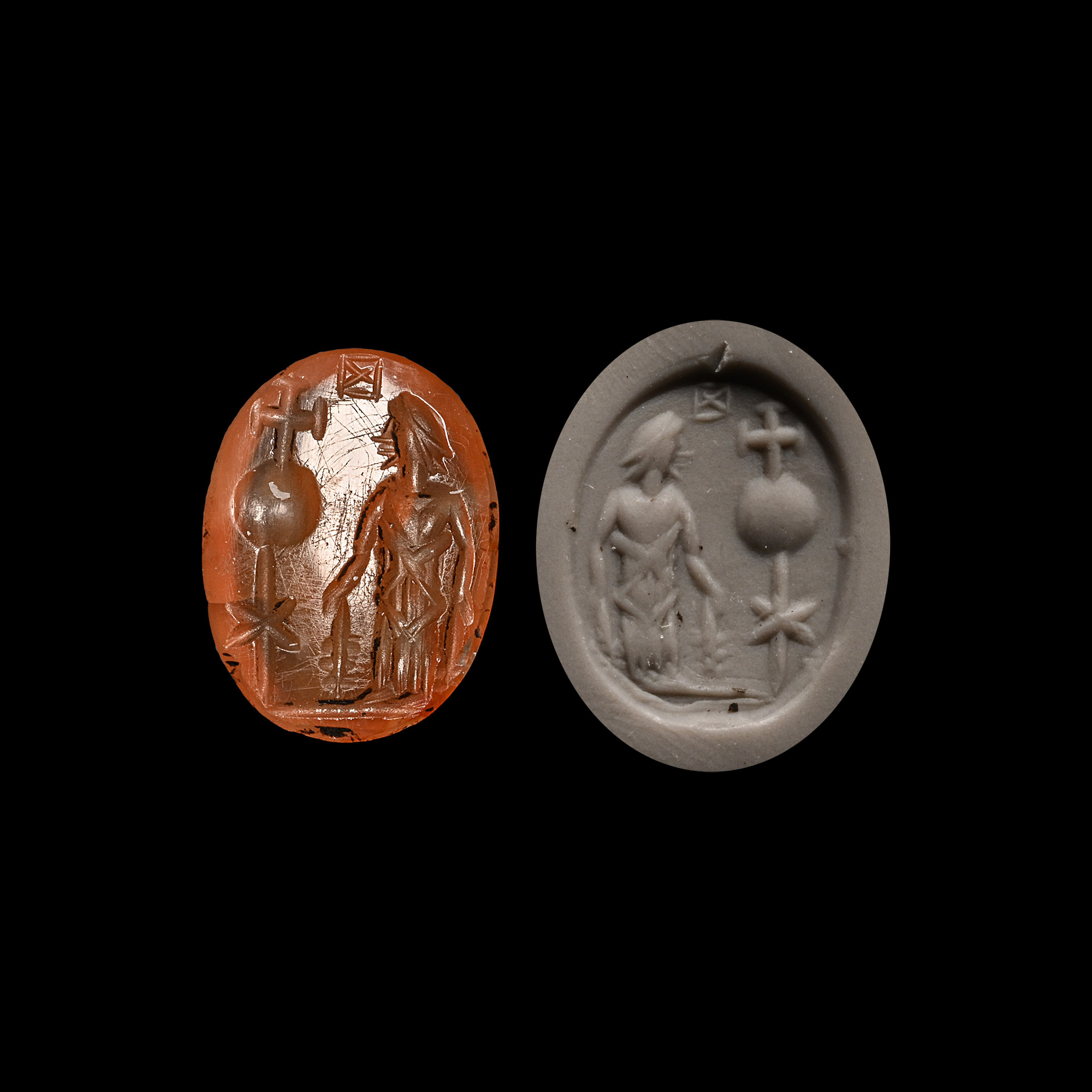
Roman Early Christian Globus Cruciger Carnelian Gemstone
CIRCA 4TH CENTURY A.D.
1/2 in. (0.60 grams, 12 mm).
With a saint and globus cruciger; supplied with a museum-quality impression.
ProvenanceFrom the collection of a Swiss gentleman formed in Europe from 1970-1980s; thence by descent from the family in London.
CONDITIONTimeLine Auctions follows a vetting process to ensure the authenticity and legality of all items, reinforcing our commitment to integrity and responsible trading. Each antiquity, antique, and coin lot undergoes thorough examination by a vetting committee of at least ten external specialists, professional trade association members, scientists, and archaeologists: Our Vetting Process
AUCTIONS:
TimeLine is a leading auction house specialising in antiquities, ancient art, collectables, natural history, coins, medals, and books. Our auctions offer museums, collectors, historians, and enthusiasts the opportunity to acquire unique and historically significant pieces.
LOT 0187
Roman Early Christian Globus Cruciger Carnelian Gemstone
Sold for (Inc. bp): £390
-
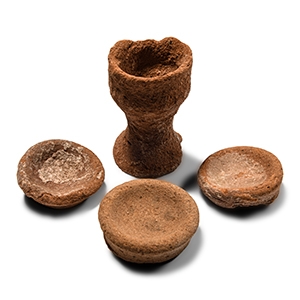
Roman Terracotta Vessel Collection
Circa 1st-4th century A.D.Sold for (Inc. bp): £52
Comprising a small chalice-shaped vessel with tall foot and three shallow miniature platters. 78 grams total, 34-54 mm
Property of a UK gentleman, acquired in the 1970s. Property of an East Sussex, UK, gentleman. -
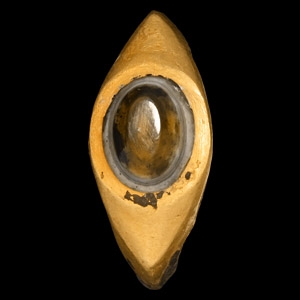
Roman Gold Ring with Sardonyx Gemstone
2nd-3rd century A.D.Estimate: £800 - 1,000 (‡+bp*)
Opening Bid: £400
With D-section shank and steep facetted shoulders, inset sardonyx gemstone. 5.65 grams, 19.11 mm overall, 13.53 mm internal diameter
Private European collection, acquired 2000. -
.jpg)
Roman Clear Cut-Glass Beaker
Circa 4th century A.D.Estimate: £700 - 900 (+bp*)
Opening Bid: £350
Translucent glass with wheel-cut bands creating registers of ellipses and circles. 189 grams, 11 cm wide
Fine condition, repaired.
Acquired on the French art market, 1990s-early 2000s. From an important Paris gallery, France. Ex private Parisian collection.
