
Loading, please wait...
LOT 0768
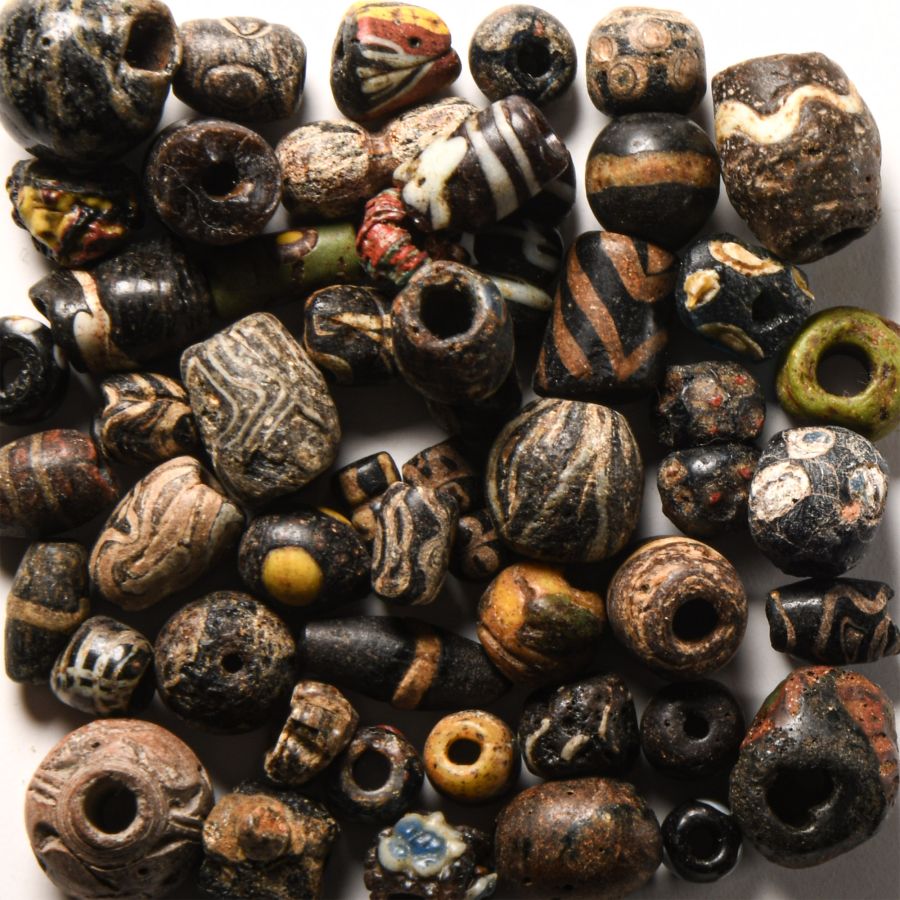
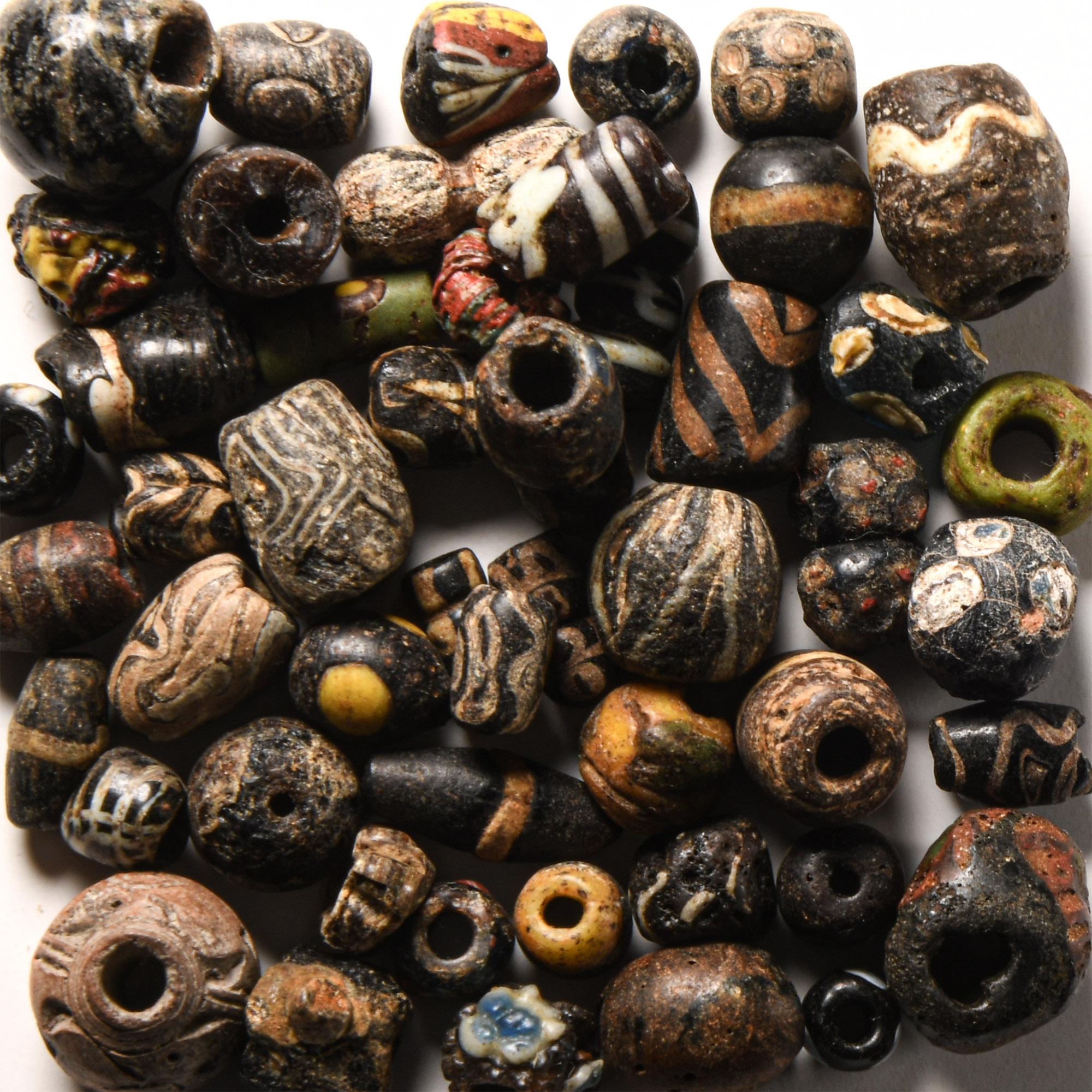
Roman Decorated Glass Necklace Bead Group
CIRCA 1ST-4TH CENTURY A.D.
1/8 - 5/8 in. (43 grams total, 6-15 mm).
Composed of opaque black glass beads of various types, including examples displaying white and polychrome motifs. [52]
ProvenanceUK gallery, early 2000s.
CONDITIONTimeLine Auctions follows a vetting process to ensure the authenticity and legality of all items, reinforcing our commitment to integrity and responsible trading. Each antiquity, antique, and coin lot undergoes thorough examination by a vetting committee of at least ten external specialists, professional trade association members, scientists, and archaeologists: Our Vetting Process
AUCTIONS:
TimeLine is a leading auction house specialising in antiquities, ancient art, collectables, natural history, coins, medals, and books. Our auctions offer museums, collectors, historians, and enthusiasts the opportunity to acquire unique and historically significant pieces.
-
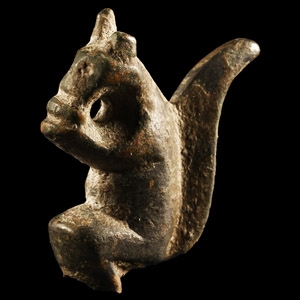
Roman Bronze Sitting Squirrel Statuette
1st-4th century A.D.Sold for (Inc. bp): £111
Modelled in the round with naturalistic detailing, sitting upright nibbling a nut. 11.7 grams, 25 mm
‘The Ancient Menagerie Collection’ formerly the property of a Cambridgeshire lady, collected since the 1990s and acquired from auctions and dealers throughout Europe and the USA, now ex London collection. -
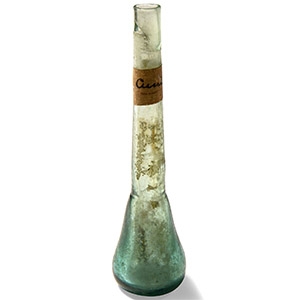
Roman Blue-Green Glass Unguentarium
3rd-4th century A.D.Sold for (Inc. bp): £117
Piriform-bodied with an extended tubular neck with rim absent; iridescent surfaces; antique handwritten collector's label around the neck; repaired. 41.4 grams, 11.7 cm high
Acquired 1970s onwards. Private collection of Michael O'Hara, Cambridgeshire, UK. Ex private collection of Benjamin Hyde-Smith, Hertfordshire, UK. -
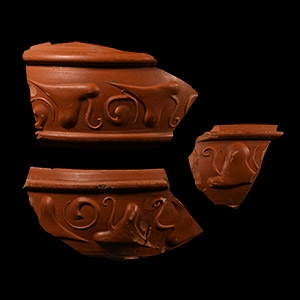
Roman Samian Ware Decorated Bowl Fragments
2nd century A.D.Sold for (Inc. bp): £46
Each fragment decorated with foliate motifs in raised relief to the external sidewall. 195 grams total, 6.7-11.8 cm
Found Bedfordhire, 1980s. Property of a Kempston, UK gentleman.
