
Loading, please wait...

LOT 0608
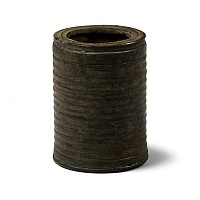
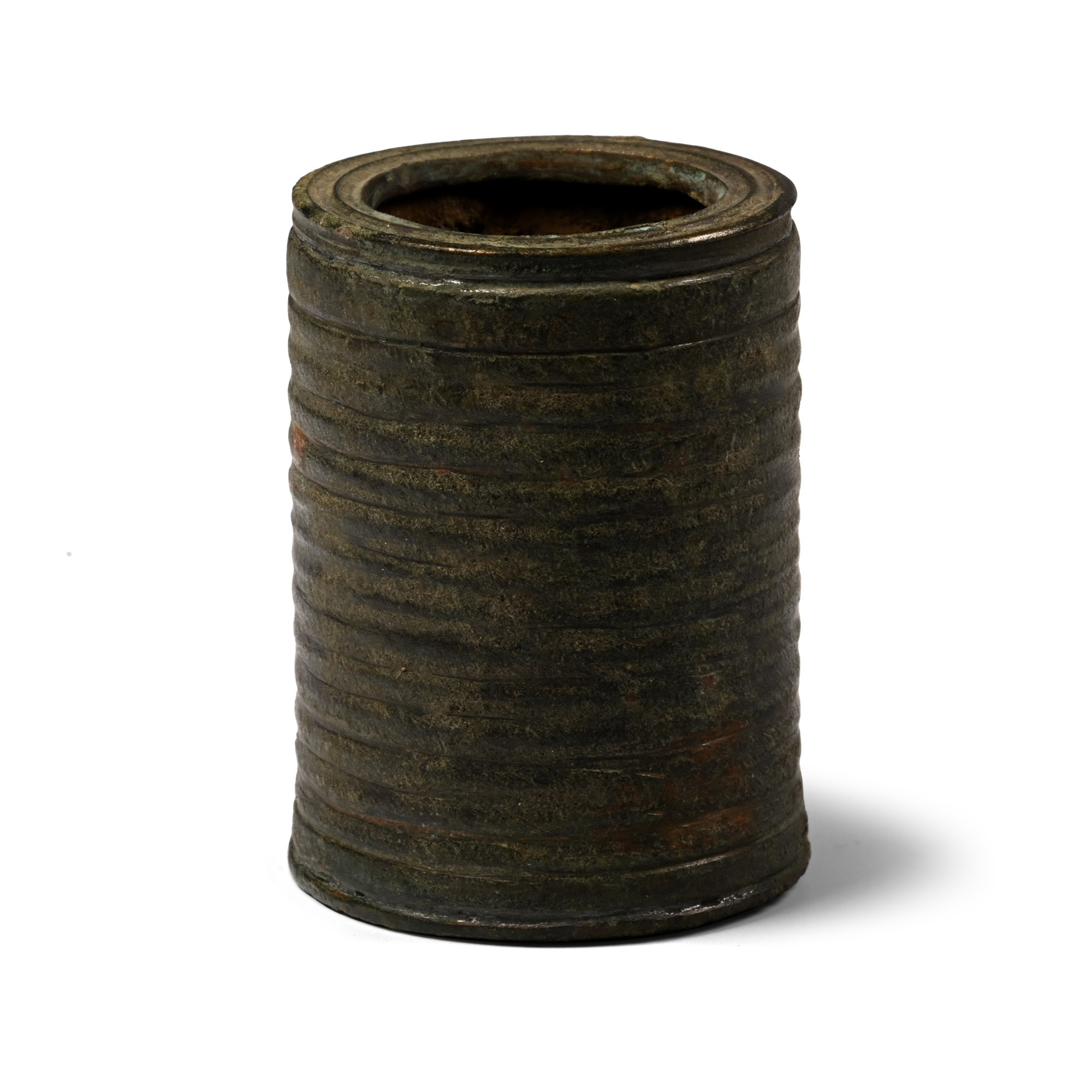
Roman Cast Bronze Pyxis
2ND-3RD CENTURY A.D.
1 3/4 in. (98 grams, 46 mm).
Formed as a cylinder with horizontal ribbing to the outer face, socketted mouth, applied discoid bottom plate. [No Reserve]
ProvenanceAcquired from Alan Cherry, Bournemouth, UK, circa 2005.
Ian Wilkinson collection, Nottinghamshire, UK, formed since 1985.
This lot is accompanied by an illustrated lot declaration signed by the Head of the Antiquities Department, Dr Raffaele D’Amato.
Cf. similar item in the collection of the British Museum, London, under accession no.1982,0729.305.
CONDITIONTimeLine Auctions follows a vetting process to ensure the authenticity and legality of all items, reinforcing our commitment to integrity and responsible trading. Each antiquity, antique, and coin lot undergoes thorough examination by a vetting committee of at least ten external specialists, professional trade association members, scientists, and archaeologists: Our Vetting Process
AUCTIONS:
TimeLine is a leading auction house specialising in antiquities, ancient art, collectables, natural history, coins, medals, and books. Our auctions offer museums, collectors, historians, and enthusiasts the opportunity to acquire unique and historically significant pieces.
-
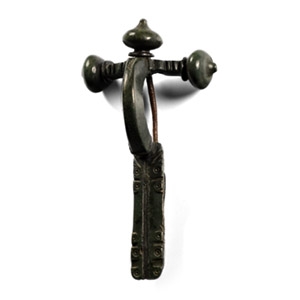
Roman Bronze Crossbow Brooch
4th century A.D.Sold for (Inc. bp): £117
Onion knop finials, the left finial with incised X-motif, deep bow, stepped junction with foot, trapezoidal foot with ring-and-dot motifs and integral catch; hinged pin to reverse. 58.6 grams, 88 mm
Ex German art market, 2000s. Acquired from an EU collector living in London. From the collection of Surrey, UK, gentleman. This lot is accompanied by an illustrated lot declaration signed by the Head of the Antiquities Department, Dr Raffaele D’Amato. -
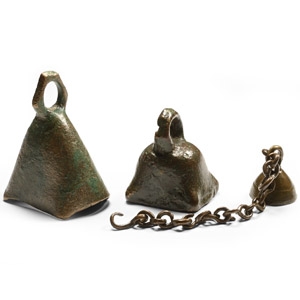
Roman Bronze Bell Group
1st-4th century A.D.Sold for (Inc. bp): £312
Each rectangular in plan, one with short length of suspension chain. 108 grams total, 24-63 mm
Ex German art market, 2000s. Acquired from an EU collector living in London. From the collection of Surrey, UK, gentleman. This lot is accompanied by an illustrated lot declaration signed by the Head of the Antiquities Department, Dr Raffaele D’Amato. -
.jpg)
Roman Coloured Glass Bracelet Group
Circa 2nd-4th century A.D.Sold for (Inc. bp): £143
Comprising one round-section in deep blue, one similar in deep red, and a D-section in pale blue/turquoise. 14.3 grams total, 42-55 mm
Formerly with a Bournemouth gentleman. Ex Essex collection. Property of a Scottish collector, acquired in 2013. This lot is accompanied by an illustrated lot declaration signed by the Head of the Antiquities Department, Dr Raffaele D’Amato.
Bangles did not occur in a vacuum after the Roman invasion but were an integral part of globalising networks of cross-Channel trade and connections with the European mainland in the early first century A.D. According to J. Price bangles were first developed in southern Britain in the late Claudio-Neronian period (A.D. 43–65/70) and that in subsequent periods the craft of bangle-making quickly spread further north with the advance of the Roman army.
