
Loading, please wait...


LOT 1318
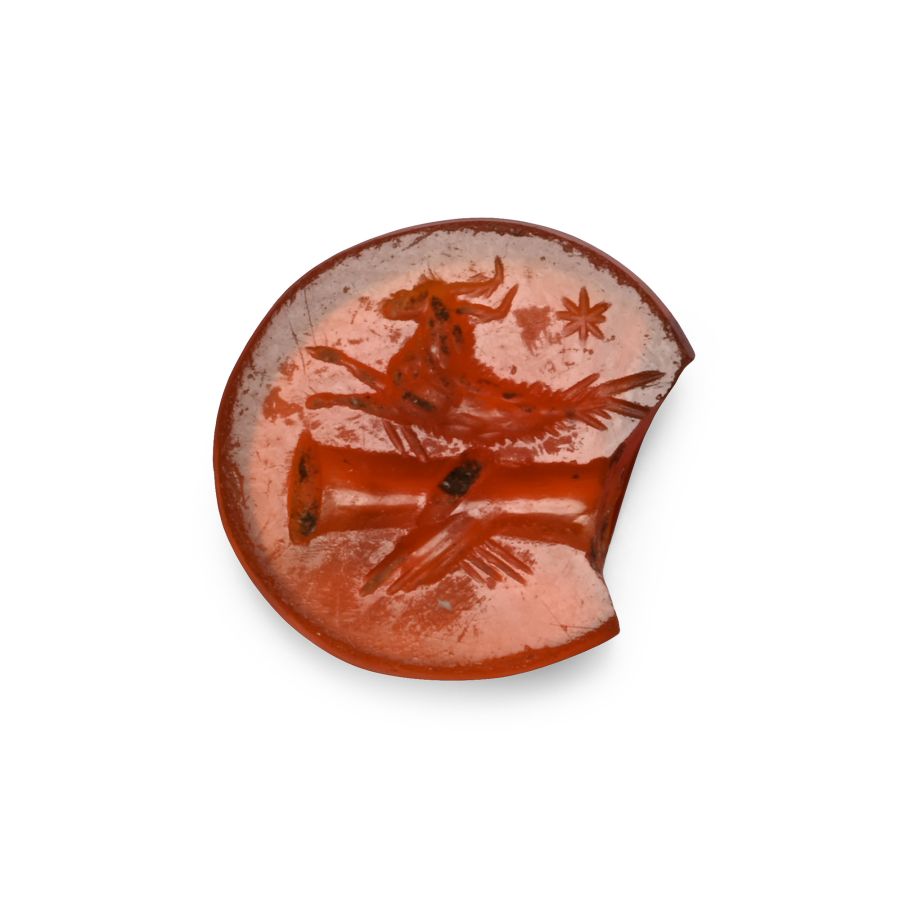
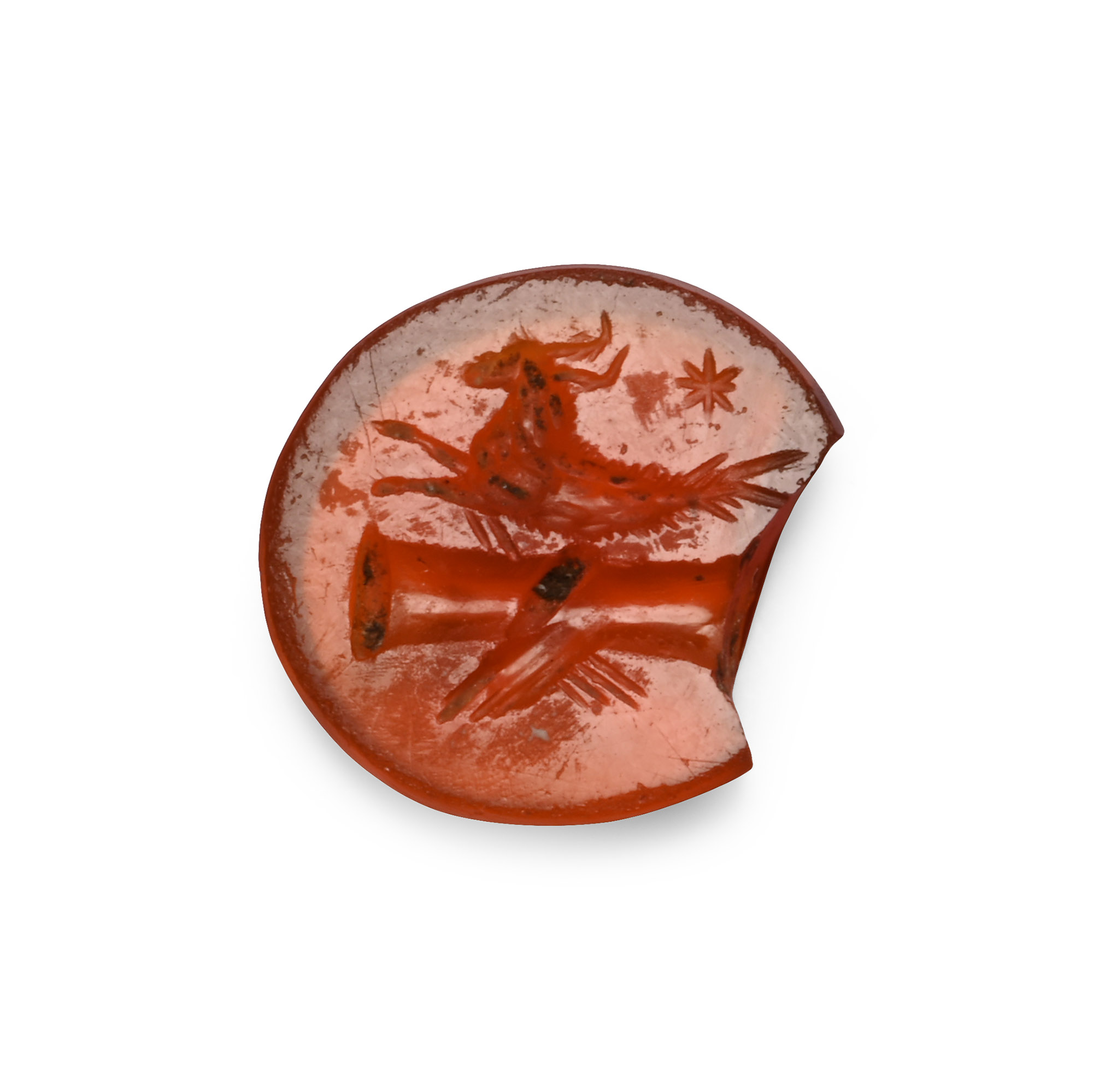
Roman Carnelian Legionary Gemstone with Capricorn for Legio Fourteen Gemina
1ST CENTURY B.C.-1ST CENTURY A.D.
3/8 in. (0.45 grams, 11 mm).
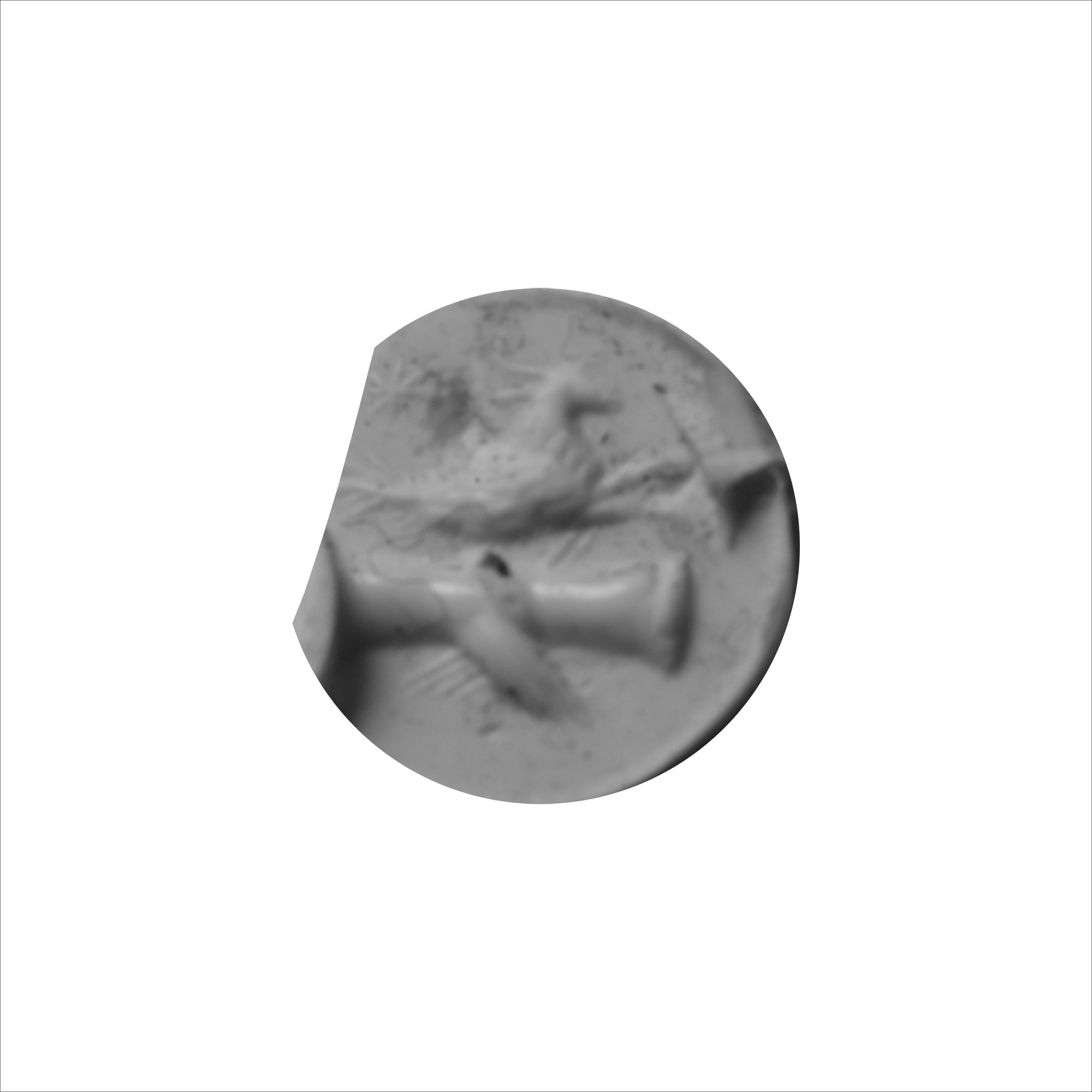
Discoid type with clasped hands beneath a capricorn, symbol of Legio XIV Gemina; chipped; supplied with an impression. [No Reserve]
ProvenanceFrom the private collection of a European gentleman (1942-2024), formed since the 1970s.
PublishedCf. similar gemstones with a stork in Gołyźniak, P., Engraved Gems and Propaganda in the Roman Republic and under Augustus, Oxford, 2020, nos.639-644.
CONDITIONTimeLine Auctions follows a vetting process to ensure the authenticity and legality of all items, reinforcing our commitment to integrity and responsible trading. Each antiquity, antique, and coin lot undergoes thorough examination by a vetting committee of at least ten external specialists, professional trade association members, scientists, and archaeologists: Our Vetting Process
AUCTIONS:
TimeLine is a leading auction house specialising in antiquities, ancient art, collectables, natural history, coins, medals, and books. Our auctions offer museums, collectors, historians, and enthusiasts the opportunity to acquire unique and historically significant pieces.
LOT 1318
Roman Carnelian Legionary Gemstone with Capricorn for Legio Fourteen Gemina
Estimate £150 - 200€170 - 230 (for guidance only)$200 - 270 (for guidance only)
Opening Bid
£5 (EUR 6; USD 7) +BP*
-
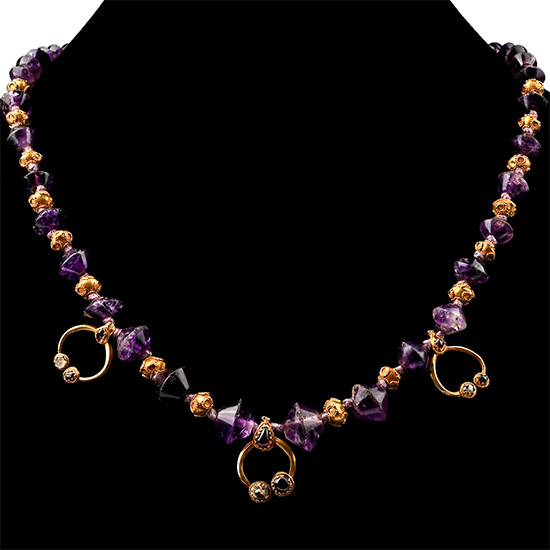
Roman Amethyst, Gold and Garnet Bead Necklace
1st-3rd century A.D.Estimate: £3,000 - 4,000 (+bp*)
Bids: 1 | Current Bid: £1,500
Restrung group of graduated biconical amethyst beads with gold interstitial beads with granulation detailing, three crescent pendants, each with a cabochon gemstone to each of the finials. Cf. Christie's, 13 December 2013, no.297. 51 grams, 52 cm
From the collection of former Italian Ambassador Carlo Perrone-Capano. The majority of this collection was established during his period in office in Damascus during the 1960s. His later life was spent near Grantham, and his collection was disposed of by his descendants at Golding Young Chartered Auctioneers & Valuers, Arts & Antiques Surveyors. Christie’s, New York, 11 December 2009, no.401. This lot has been checked against the Interpol Database of stolen works of art and is accompanied by search certificate number no.13123-248087.
Amethyst was widely used in Graeco-Roman Egypt. We know that the amethyst mines of Abu Diyeiba, near Semna, were in use from the time of Ptolemy VI through to the Roman era. Pliny says that Indian amethysts were the best, but he also refers to amethysts from Egypt. The Egyptian amethysts are typically flawed and of a pale, almost pink, hue. They were seldom set in gold and were most usually made into beads. Ptolemaic and Roman inscriptions and artefacts have been found at amethyst mines in Egypt’s eastern deserts. -
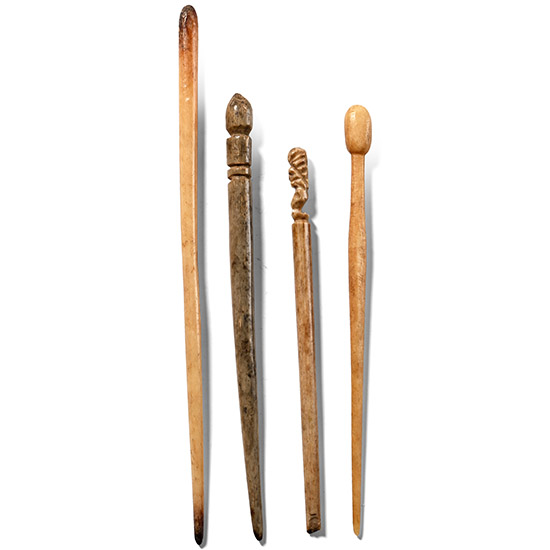
Roman Bone Pin Collection
1st-4th century A.D.Estimate: £80 - 100 (+bp*)
Bids: 1 | Current Bid: £5
Comprising: two with a bulbous finial; one with a lion head finial; one with a tapering body and rounded finial. 11.99 grams total, 9.3-13 cm
Ex German art market, 2000s. Acquired from an EU collector living in London. From the collection of Surrey, UK, gentleman. -
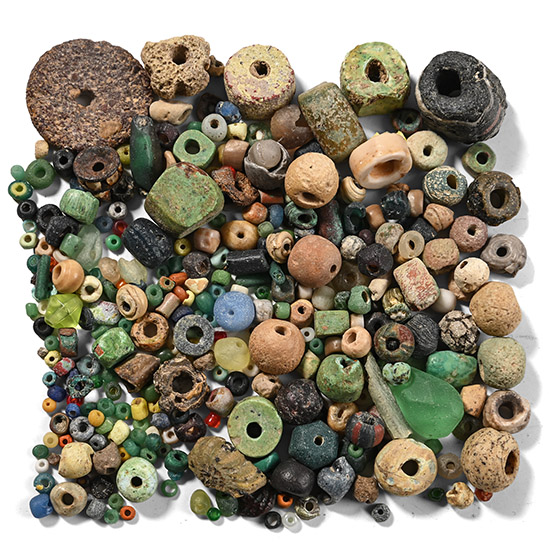
Roman and Other Mixed Stone and Glass Necklace Bead Group
1st-4th century A.D. and laterEstimate: £50 - 70 (+bp*)
Opening Bid: £5
Mixed group of beads, including a green glass teardrop-shaped pendant bead, a large brown discoid glass bead, and others. 43 grams total, 1-20 mm
Ex London, UK, collection, 1990s.
