
Loading, please wait...

LOT 0619
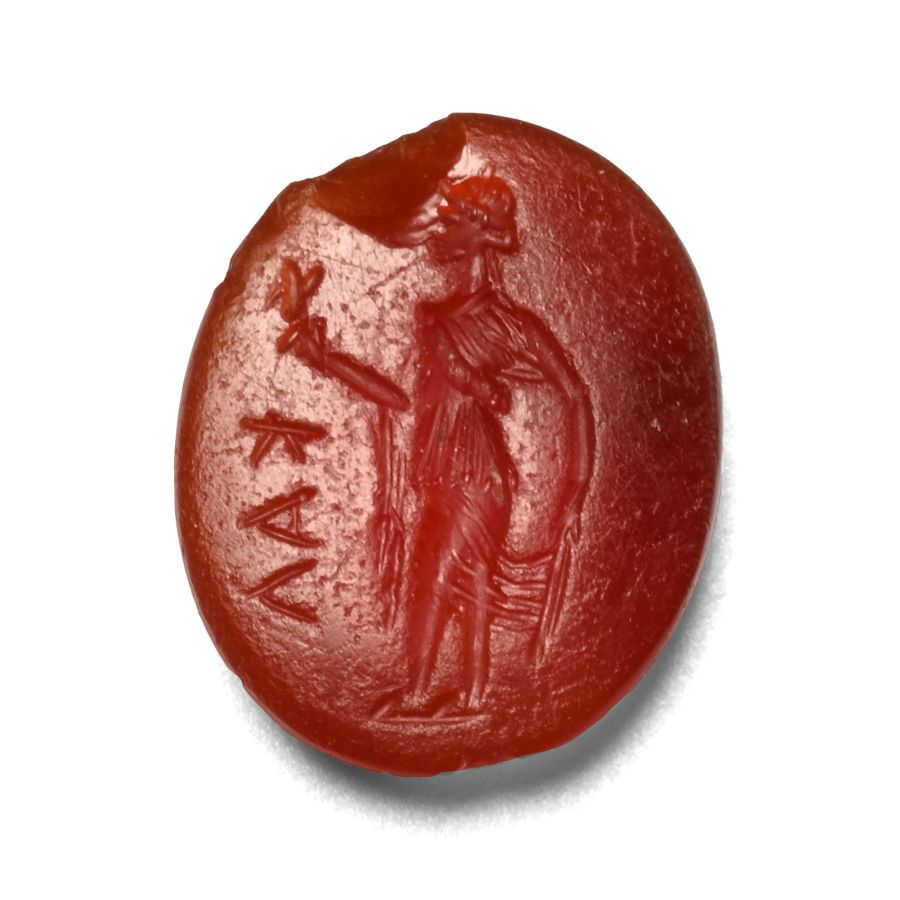
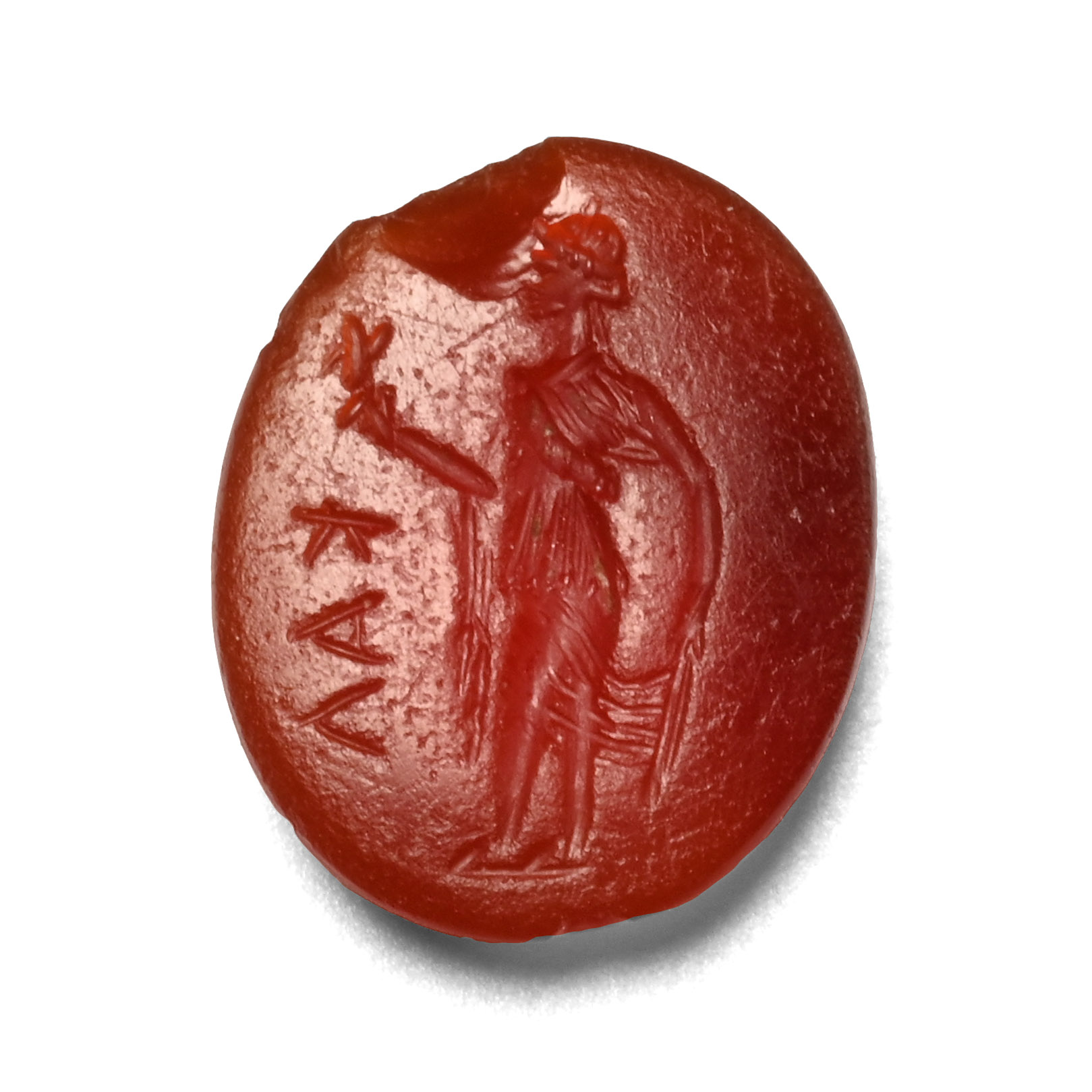
Roman Carnelian Intaglio with Spes
2ND-3RD CENTURY A.D.
1/2 in. (0.74 grams, 13 mm).
Standing and facing left with her right hand raised an holding a budding flower; inscription in Greek 'KAΛ(OΣ)' (= beautiful) on the left.
ProvenanceEx R. Sebastia Coch (1908-1969) collection, Barcelona; thence by descent.
English art market, 2018.
Accompanied by a copy of an Art Loss Register certificate no.S00143341.
This lot is accompanied by an illustrated lot declaration signed by the Head of the Antiquities Department, Dr Raffaele D’Amato.
Cf. Boardman, J., Greek Gems and Finger Rings, Early Bronze Age to Late Classical, London, 1970 (2001), nos.228, for similar.
CONDITIONTimeLine Auctions follows a vetting process to ensure the authenticity and legality of all items, reinforcing our commitment to integrity and responsible trading. Each antiquity, antique, and coin lot undergoes thorough examination by a vetting committee of at least ten external specialists, professional trade association members, scientists, and archaeologists: Our Vetting Process
AUCTIONS:
TimeLine is a leading auction house specialising in antiquities, ancient art, collectables, natural history, coins, medals, and books. Our auctions offer museums, collectors, historians, and enthusiasts the opportunity to acquire unique and historically significant pieces.
-
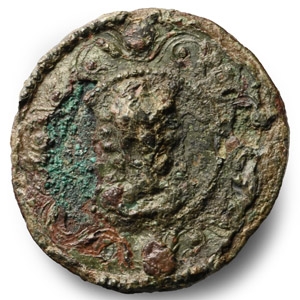
Roman Bronze Plate Brooch with Portrait of an Emperor
2nd century A.D.Sold for (Inc. bp): £46
Discoid with volute scroll border to the outer edge, central raised image of a profile bust of possibly Tiberius within a beaded border; remains of pin-lugs and catchplate to the reverse. 9.47 grams, 32 mm
Acquired on the UK art market before 2000. Property of an Essex, UK, gentleman. This lot is accompanied by an illustrated lot declaration signed by the Head of the Antiquities Department, Dr Raffaele D’Amato. -
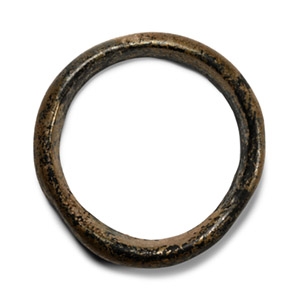
Large Roman Iridescent Glass Arm-Ring Bangle
Circa 4th century A.D.Sold for (Inc. bp): £59
D-shaped in section, annular in plan, some iridescence remaining. 40.6 grams, 79 mm
From an old English collection. Acquired from Den of Antiquity, Cambridgeshire, UK, circa 2008. Ian Wilkinson collection, Nottinghamshire, UK, formed since 1985. Accompanied by an old dealer's ticket. This lot is accompanied by an illustrated lot declaration signed by the Head of the Antiquities Department, Dr Raffaele D’Amato. -
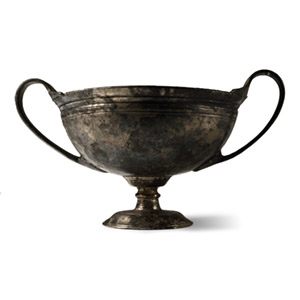
Roman Silver Kantharos Wine Cup
2nd century B.C.-1st century A.D.Estimate: £3,000 - 4,000 (+bp*)
Opening Bid: £1,667
With deep spherical body supported on a round stand; incised with a band around the inner surface and concentric circles on the outer body; two looped high handles, one with stipple engraved monogram on the upper side. 156 grams, 14 cm wide
Ex Mansees collection, formed 1950s-early 1990s. From a large American collection formed in Chicago, Illinois, USA, in 1995. From a European collection. This lot has been checked against the Interpol Database of stolen works of art and is accompanied by search certificate no.11627-197618. This lot has been cleared against the Art Loss Register database, and is accompanied by an illustrated lot declaration signed by the Head of the Antiquities Department, Dr Raffaele D’Amato.
