Loading, please wait...

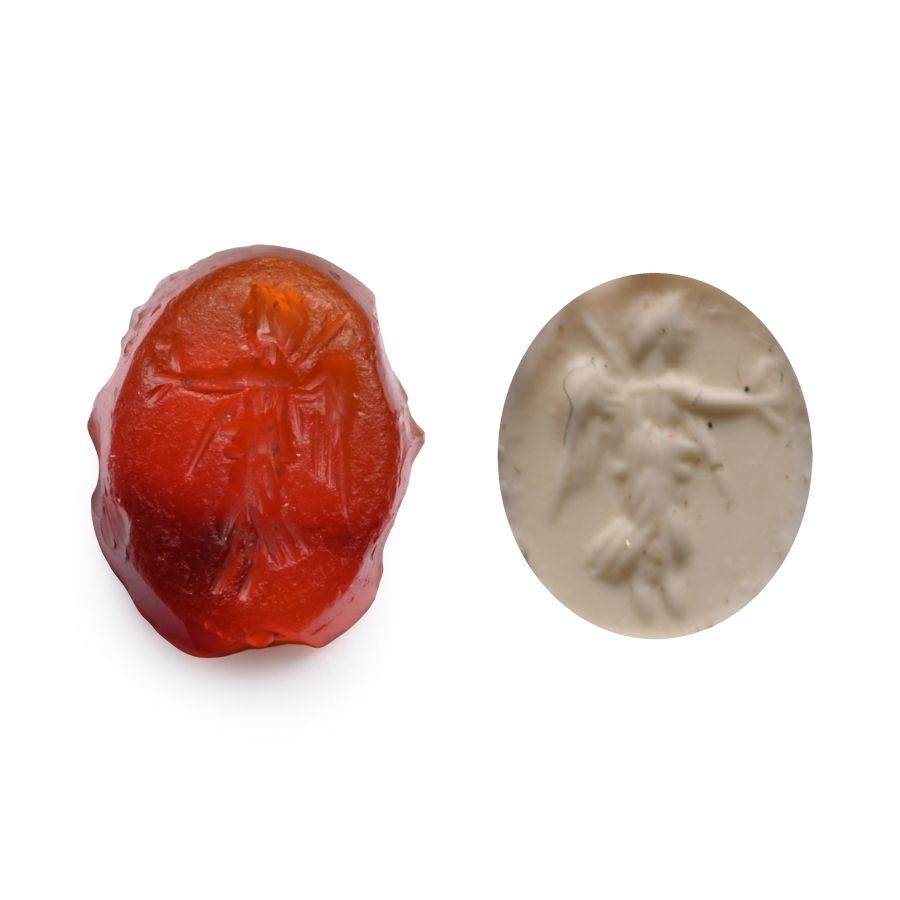
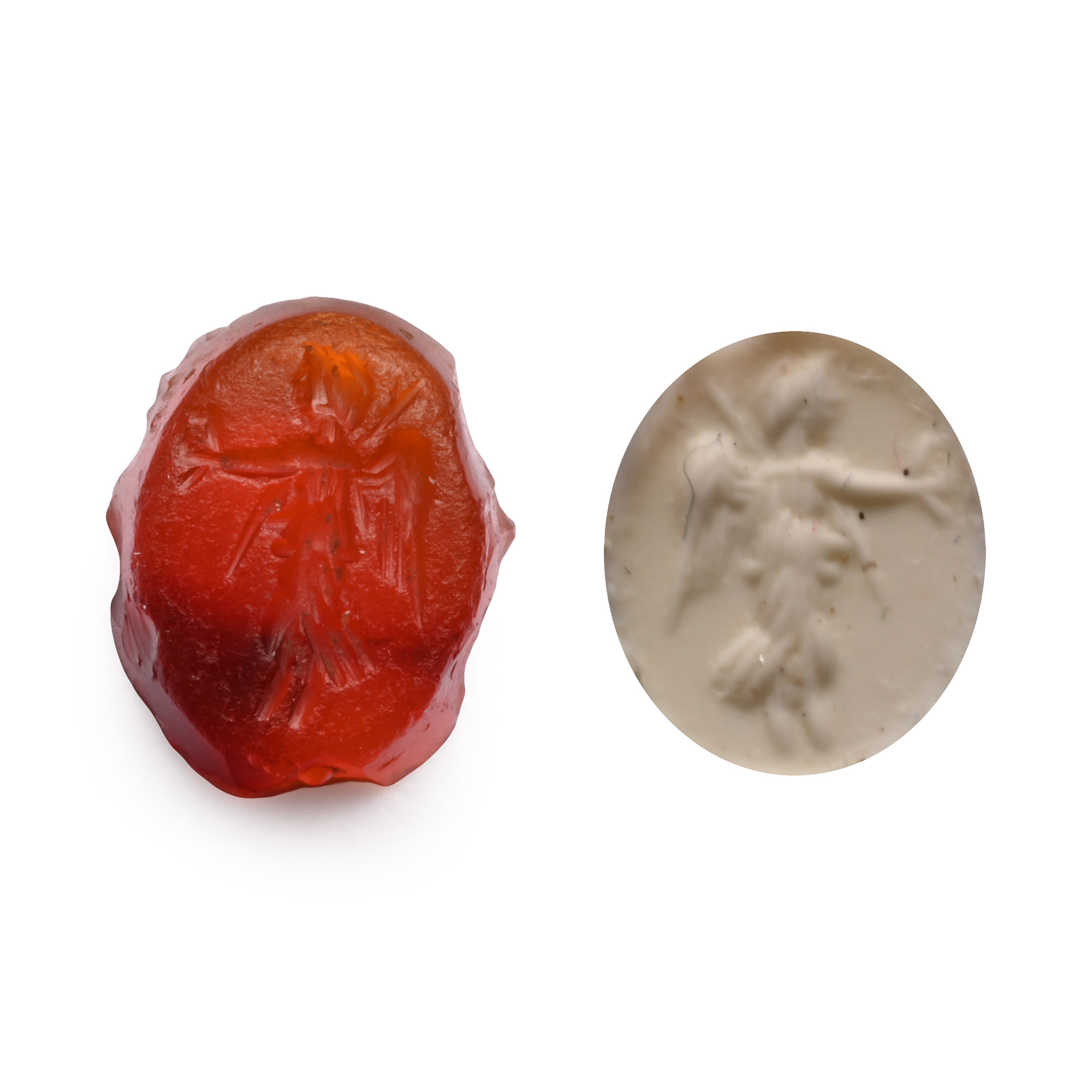
Roman Carnelian Gemstone with Winged Victory Roman Carnelian Gemstone with Winged Victory Roman Carnelian Gemstone with Winged Victory
Use mousewheel to zoom in and out, click to enlarge
Details

LOT 0836

Roman Carnelian Gemstone with Winged Victory

2ND-3RD CENTURY A.D.

3/8 in. (0.29 grams, 8.81 mm).

Intaglio winged Victory standing with one arm extended; supplied with a museum-quality impression. [No Reserve]

Provenance

From the private collection of a European gentleman (1942-2024), formed since the 1970s.

CONDITION
VETTING:

TimeLine Auctions follows a vetting process to ensure the authenticity and legality of all items, reinforcing our commitment to integrity and responsible trading. Each antiquity, antique, and coin lot undergoes thorough examination by a vetting committee of at least ten external specialists, professional trade association members, scientists, and archaeologists: Our Vetting Process


AUCTIONS:

TimeLine is a leading auction house specialising in antiquities, ancient art, collectables, natural history, coins, medals, and books. Our auctions offer museums, collectors, historians, and enthusiasts the opportunity to acquire unique and historically significant pieces.

Live Bidding

LOT 0836

Roman Carnelian Gemstone with Winged Victory

Sold for (Inc. bp): £65

Print page

RELATED LOTS
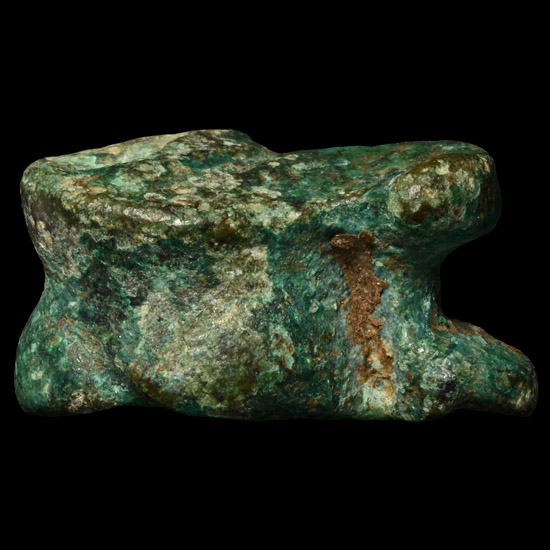
  • Roman Bronze Sleeping Dog Protome and Finial Group
    Roman Bronze Sleeping Dog Protome and Finial Group
    1st-4th century A.D.

    Sold for (Inc. bp): £20

    Comprising: a stylised dog head with conical neck, and an onion-knop finial with a collar below. 6.42 grams total, 12.7-14.4 mm


    From the private collection of a European gentleman (1942-2024), formed since the 1970s.

    Lot Details

  • Roman Terracotta Bullae, Tesserae or Token Group
    Roman Terracotta Bullae, Tesserae or Token Group
    3rd century B.C.-1st century A.D.

    Sold for (Inc. bp): £98

    A mixed group of ceramic bullae, tesserae or theatre tokens bearing low-relief motifs, mainly consisting of profile busts of deities. 37 grams total, 15-22 mm


    From the private collection of a European gentleman (1942-2024), formed since the 1970s.

    The term 'tessera' was used in Roman times to convey the Greek term σύμβολον (token). Small tiles are known as tokens, often shaped like coins, made of metal (copper, lead, iron), clay, bone, wood, or glass, stamped as well as engraved. The tokens, however, are not exclusively coin-shaped, as the Latin term 'tessera' suggests by etymologically referring to a square or at least a four-sided shape and confirmed in several cases by material remains of the past. Tokens and tesserae seem to have been used both in Athens and Rome for the distribution of goods. According to written sources, the term token is identified with credentials of the official authorities. They have also been interpreted as tokens of identity, as entrance tickets to theatre performances, tribunals or assemblies of citizens, archival material of seal engraving, as pawns in games, Charon’s obols and even as amulets.

    Lot Details

  • Roman Terracotta Oil Lamp with Leaves
    Roman Terracotta Oil Lamp with Leaves
    Circa 2nd century A.D.

    Sold for (Inc. bp): £85

    Shallow oil lamp with short nozzle flanked by volute scrolls, with an impressed band of leaves around the discus. 48.7 grams, 83 mm


    From the collection of a Yorkshire, UK gentleman, items collected in the Holy Land in the 1960s.

    Lot Details

Stay up-to-date with the latest from TimeLine Auctions by joining our mailing list