
Loading, please wait...
_900x900.jpg "Roman Carnelian Gemstone with Sphinx")
_200x200.jpg "Roman Carnelian Gemstone with Sphinx")
.jpg "Roman Carnelian Gemstone with Sphinx")
LOT 0034
Roman Carnelian Gemstone with Sphinx
2ND-3RD CENTURY A.D.
3/8 in. (0.36 grams, 10.83 mm).
With intaglio sphinx sitting beside a military standard; supplied with a museum-quality impression. [No Reserve]
ProvenanceFrom the private collection of a European gentleman (1942-2024), formed since the 1970s.
CONDITIONTimeLine Auctions follows a vetting process to ensure the authenticity and legality of all items, reinforcing our commitment to integrity and responsible trading. Each antiquity, antique, and coin lot undergoes thorough examination by a vetting committee of at least ten external specialists, professional trade association members, scientists, and archaeologists: Our Vetting Process
AUCTIONS:
TimeLine is a leading auction house specialising in antiquities, ancient art, collectables, natural history, coins, medals, and books. Our auctions offer museums, collectors, historians, and enthusiasts the opportunity to acquire unique and historically significant pieces.
-
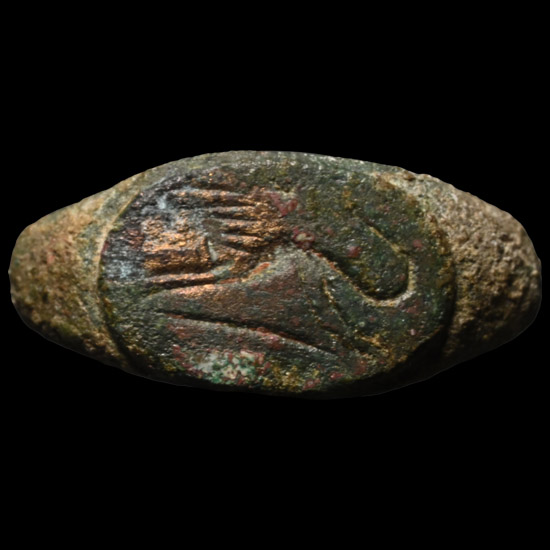
Roman Bronze Ring with Lion
3rd-4th century A.D.Sold for (Inc. bp): £98
Featuring a D-section hoop expanding towards the shoulders, an oval bezel with a leaping lion motif. 4.71 grams, 24.91 mm overall, 16.23 x 19.86 mm internal diameter (approximate size British M 1/2, USA 61/4, Europe 13.09, Japan 12)
From the private collection of a European gentleman (1942-2024), formed since the 1970s. -
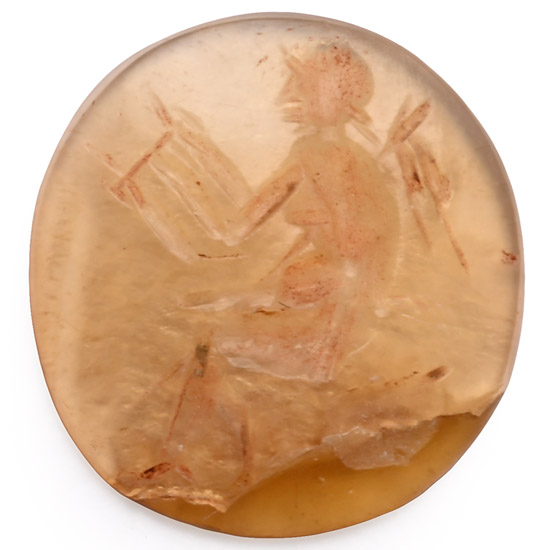
Roman Chalcedony Gemstone with Venus
2nd-3rd century A.D.Sold for (Inc. bp): £65
With intaglio Venus stooping to wash from a vessel; supplied with a museum-quality impression. 0.29 grams,11.81 mm
From the private collection of a European gentleman (1942-2024), formed since the 1970s. -
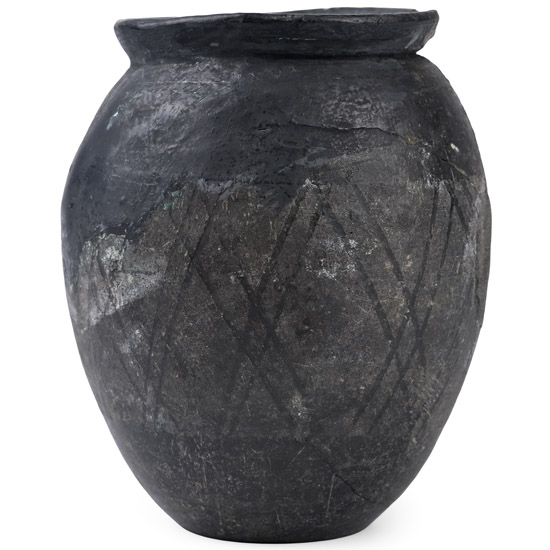
Romano-British Decorated Black-Burnished Ware Vessel
Likely Colchester, circa 2nd century A.D.Sold for (Inc. bp): £111
Ovoid body with a narrow base and flared rim, wide net decoration on the body; restored. 163 grams, 89 mm
From the private collection of Mr Brian Edwards, New Malden, Surrey, UK, formed from the late 1970s-early 1980s; thence by descent. Accompanied by the original collector's data sheet with reference no.A3.
