
Loading, please wait...
LOT 0139
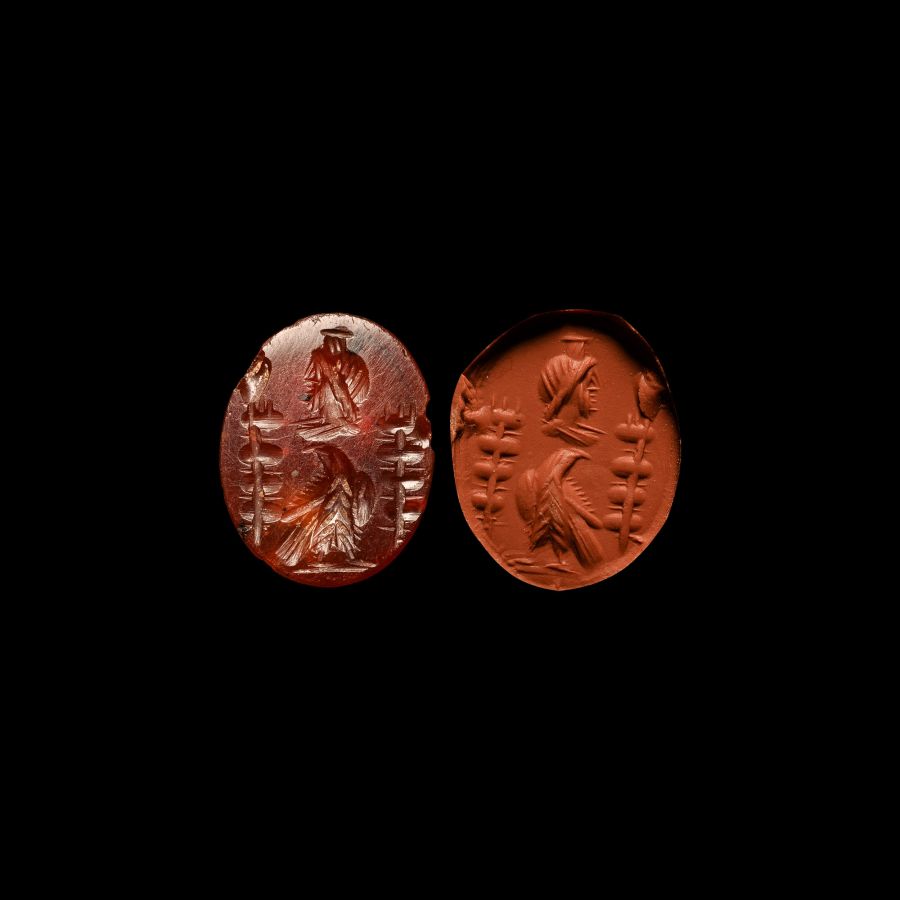
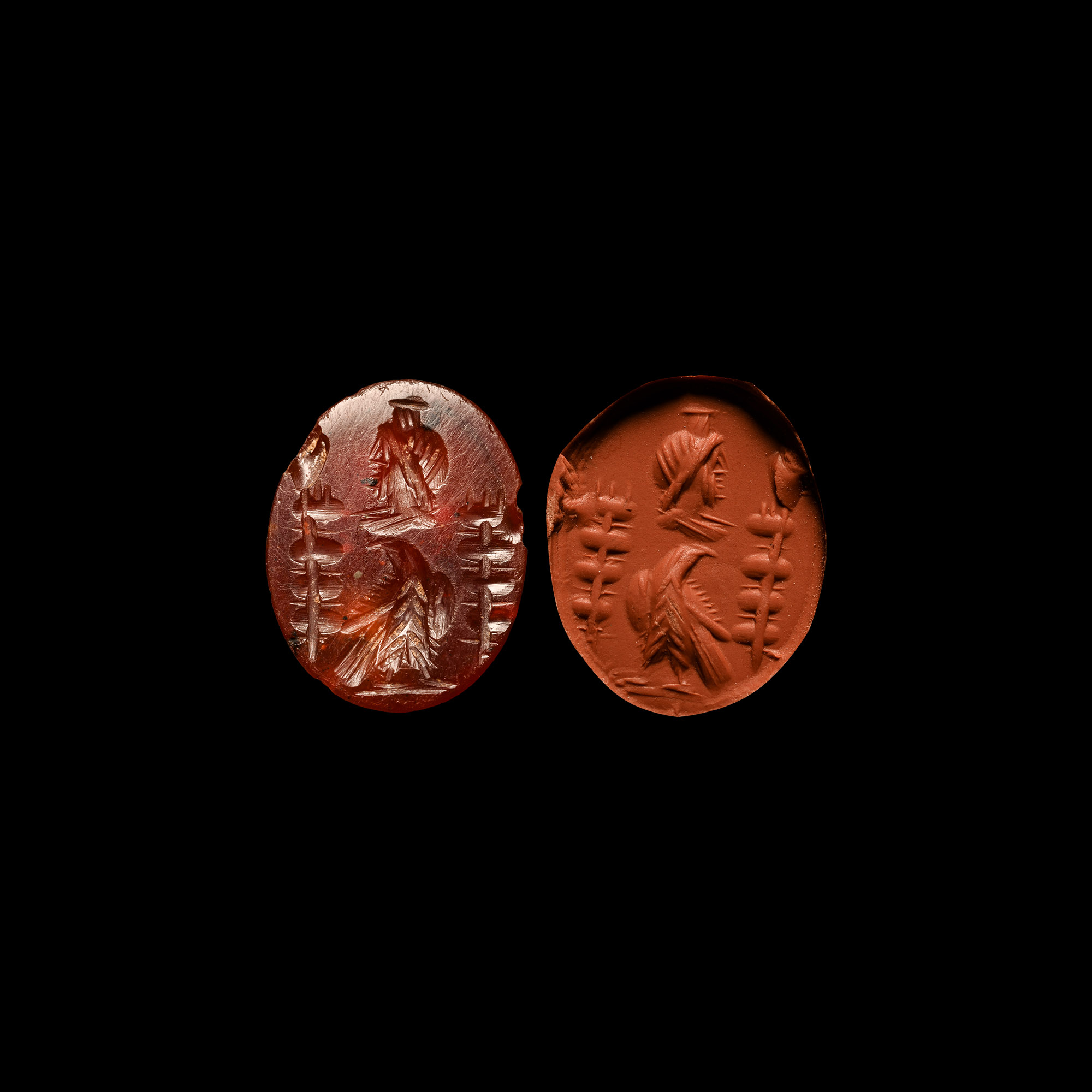
Roman Carnelian Gemstone with Serapis and Eagle Between Two Military Standards
2ND CENTURY A.D.
5/8 in. (0.87 grams, 17 mm).
The oval intaglio with bust of Serapis right, above an eagle with wings spread, two military signa to the sides.
ProvenanceAcquired in the late 1980s-early 1990s.
Important North West London collection.
Cf. Walters, H.B., Catalogue of Engraved Gems & Cameos, Greek, Etruscan & Roman in the British Museum, London, 1926, no.1273; Sena Chiesa, G., Gemme del Museo Nazionale di Aquileia (Associazione Nazionale per Aquileia), Padova, 1966, nos.39-40; Hornbostel, W., Sarapis, Leiden, 1973, p.222; Zwierlein-Diehl, E., Die antiken Gemmen des Kunsthistorischen Museums in Wien, vol. 2, Munich, 1979, no.1247; Philipp, H., Mira et Magica: Gemmen im Äegyptischen Museum der Staatlichen Museen PreuBischer Kulturbesitz, Berlin-Charlottenburg, Mainz, 1986, nos.57-58.
FootnotesOften the intaglio gemstones were carved with an eagle between two standards. The left standard is topped with a capricorn genius legionis, and the right one with the hand of a signum manipularis. The presence of a capricorn could imply that the gemstone was dedicated to men of the Legio XIIII Martia Victrix.
CONDITIONTimeLine Auctions follows a vetting process to ensure the authenticity and legality of all items, reinforcing our commitment to integrity and responsible trading. Each antiquity, antique, and coin lot undergoes thorough examination by a vetting committee of at least ten external specialists, professional trade association members, scientists, and archaeologists: Our Vetting Process
AUCTIONS:
TimeLine is a leading auction house specialising in antiquities, ancient art, collectables, natural history, coins, medals, and books. Our auctions offer museums, collectors, historians, and enthusiasts the opportunity to acquire unique and historically significant pieces.
LOT 0139
Roman Carnelian Gemstone with Serapis and Eagle Between Two Military Standards
Sold for (Inc. bp): £910
-
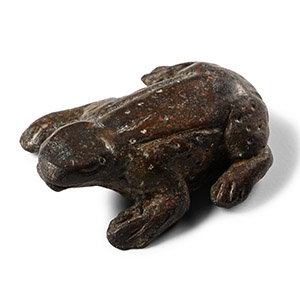
Roman Bronze Crouching Frog
1st-3rd century A.D.Sold for (Inc. bp): £195
Modelled in the round with naturalistic detailing, spotted detailing to the body. 12.9 grams, 27 mm
‘The Ancient Menagerie Collection’ formerly the property of a Cambridgeshire lady, collected since the 1990s and acquired from auctions and dealers throughout Europe and the USA, now ex London collection. -
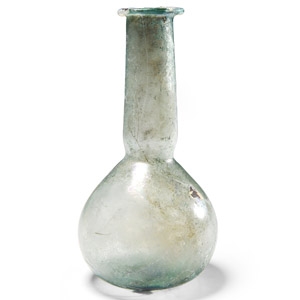
Roman Translucent Glass Flask
1st-2nd century A.D.Estimate: £100 - 140 (+bp*)
Opening Bid: £40
Bulbous body, cylindrical neck and everted rim. 39.3 grams, 12 cm high
Acquired 1980-2015. Ex Abelita family collection. -
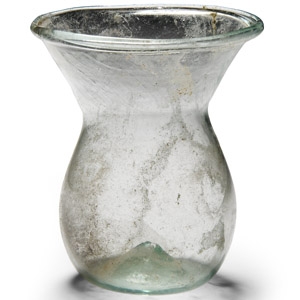
Roman Clear Glass Bottle
4th century A.D.Sold for (Inc. bp): £124
With dimpled base and funicular neck. 26.5 grams, 69 mm high
Acquired 1980-2015. Ex Abelita family collection.
