
Loading, please wait...


LOT 1183
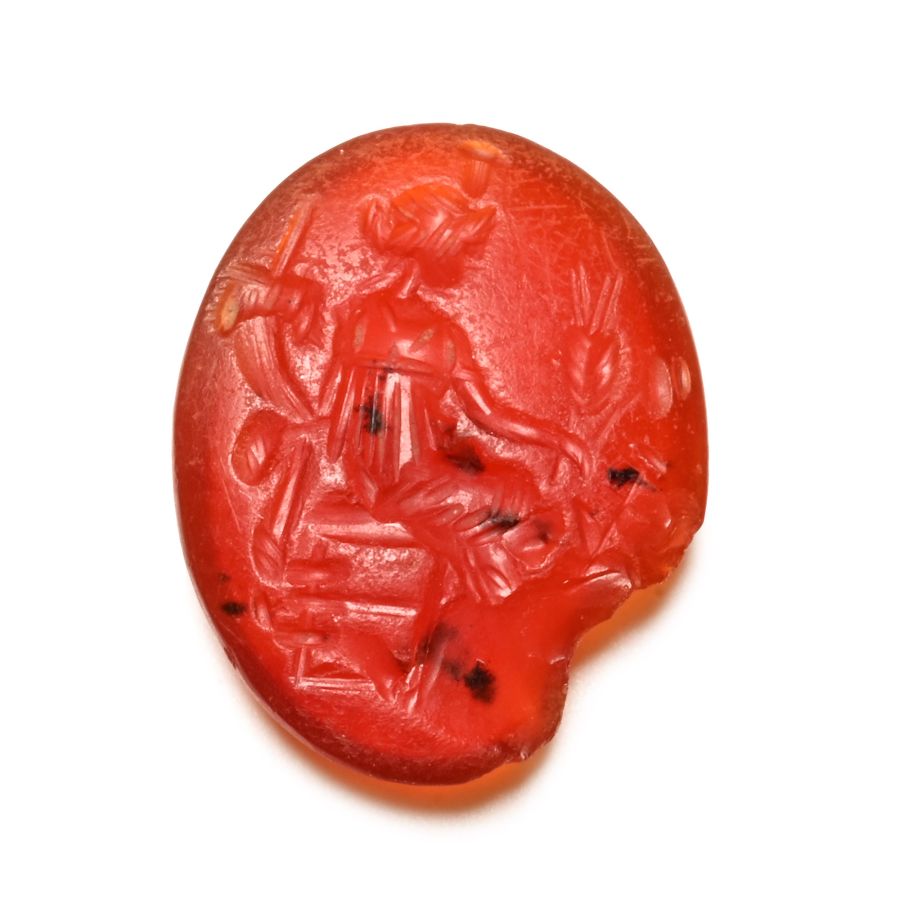
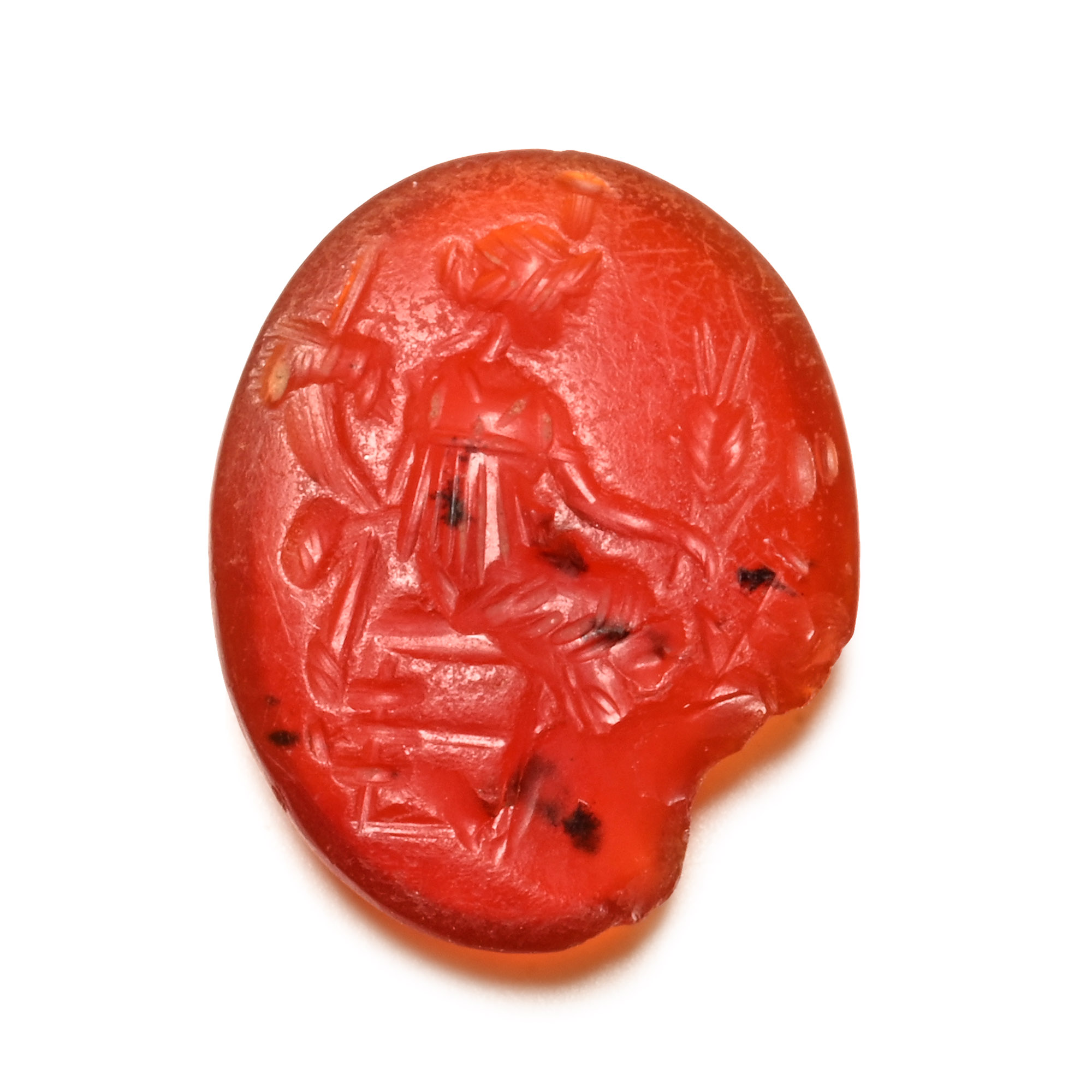
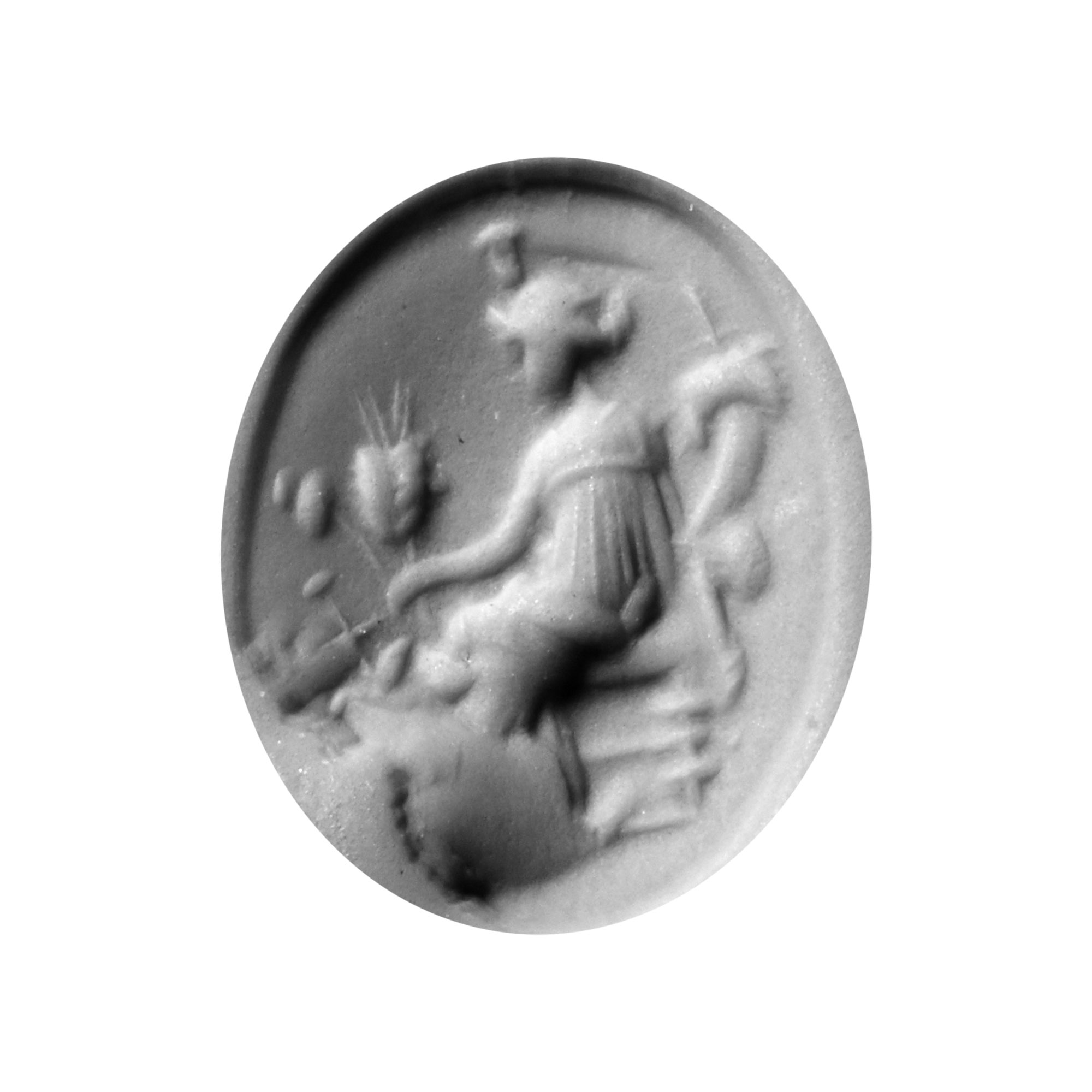
Roman Carnelian Gemstone with Seated Goddess Fortuna
1ST CENTURY A.D.
5/8 in. (0.97grams, 16 mm).
Biconvex in section with intaglio scene of Demeter seated in profile with cornucopia and plants; chipped; supplied with a museum-quality impression. [No Reserve]
ProvenanceFrom the private collection of a European gentleman (1942-2024), formed since the 1970s.
LiteratureCf. similar gemstones in Berlin, Staatliche Museen zu Berlin, Ägyptisches Museum, inv.11935; Paris, Cabinet des Médailles, inventory 58.1619-20; Perugia, Museo Archeologico Nazionale dell’Umbria, inv.1467.
CONDITIONTimeLine Auctions follows a vetting process to ensure the authenticity and legality of all items, reinforcing our commitment to integrity and responsible trading. Each antiquity, antique, and coin lot undergoes thorough examination by a vetting committee of at least ten external specialists, professional trade association members, scientists, and archaeologists: Our Vetting Process
AUCTIONS:
TimeLine is a leading auction house specialising in antiquities, ancient art, collectables, natural history, coins, medals, and books. Our auctions offer museums, collectors, historians, and enthusiasts the opportunity to acquire unique and historically significant pieces.
LOT 1183
Roman Carnelian Gemstone with Seated Goddess Fortuna
Estimate £200 - 300€230 - 350 (for guidance only)$270 - 410 (for guidance only)
Opening Bid
£5 (EUR 6; USD 7) +BP*
-
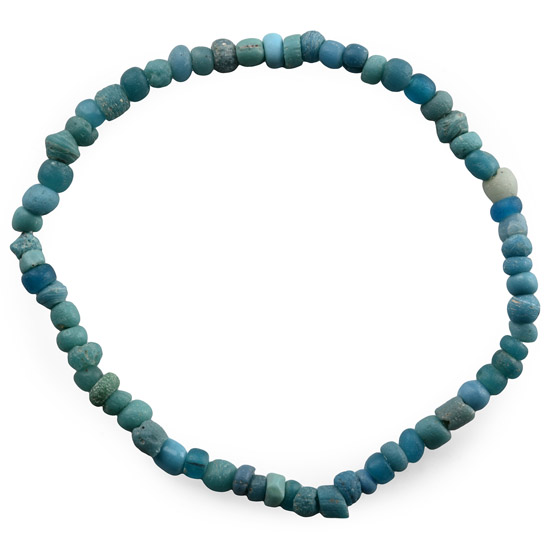
Roman Light Blue Glass Bead Bracelet
Circa 1st-4th century A.D.Estimate: £50 - 70 (+bp*)
Opening Bid: £5
Composed mainly of oblate beads, restrung with an elasticated string. 3.77 grams, 16.4 cm
Ex Ancient Art Shop, Windsor, UK, 1990s. Ex private collection. -
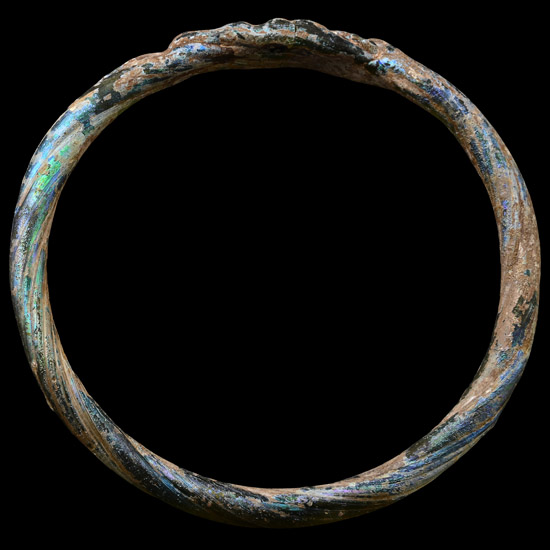
Late Roman Iridescent Twisted Yellow Glass Bracelet
Circa 4th-6th century A.D.Estimate: £40 - 60 (+bp*)
Opening Bid: £5
Round-section twisted hoop with wide ribbed terminal; remains of iridescence. 24.2 grams, 89 mm
From the collection of a gentleman born in the late 19th century, formed 1940s-1970s. From an old Staffordshire family collection; thence by descent. -
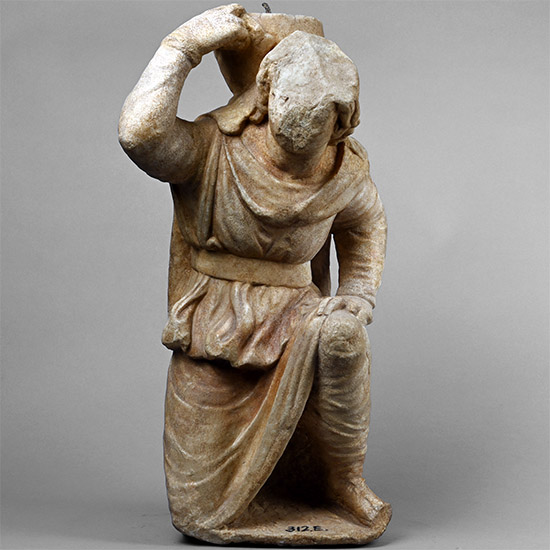
Roman Marble Figure of Persian Water Carrier
2nd century A.D.Estimate: £40,000 - 60,000 (‡+bp*)
Opening Bid: £20,000
Depicted kneeling on his right knee, his left hand resting on his left knee, his right arm raised to support the water jar on his shoulders, shown wearing a Phrygian cap over his curling hair, dressed in a belted tunic falling in thick folds, the lower drapery stretched over the knees, and strapping on the legs, with a long cloak over the top, pinned at his right shoulder and falling down his back, set on an integral base. 39.45 kg, 59.7 cm
Ex private collection, Europe. Ex Australian collection, 1960s. On loan to La Trobe University, Melbourne, Australia, 1981-1986. Bonhams, London, 28 April 2010, no.139. Private collection, Europe. Accompanied by a printed copy of the Spanish cultural export licence no.1775-3178156. Accompanied by a copy of the Graham Geddes, Antiques & Antiquities invoice, 17 April 2007. Accompanied by a copy of an Art Loss Register certificate, no.2709AM. Accompanied by copies of the relevant Bonhams catalogue pages. Accompanied by an academic report by Dr Raffaele D’Amato. This lot has been checked against the Interpol Database of stolen works of art and is accompanied by search certificate no. 10272-168595.
The image of the subjected foreigner (‘barbarian’) became particularly prevalent in the late 1st and early 2nd centuries A.D. as a reflection of increased Roman expansion and part of an iconography of empire and triumph. The clean-shaven face of this figure indicates that it represents a so-called 'Oriental', i.e., a Persian, instead of a bearded European.
