
Loading, please wait...
LOT 0688
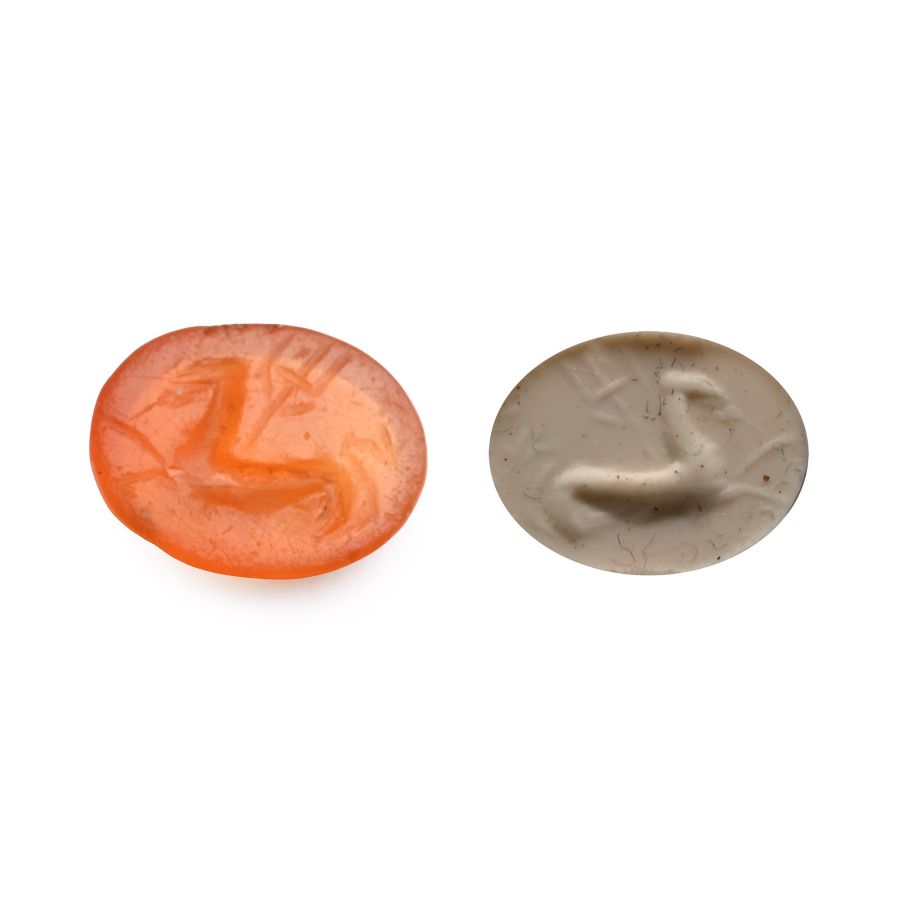
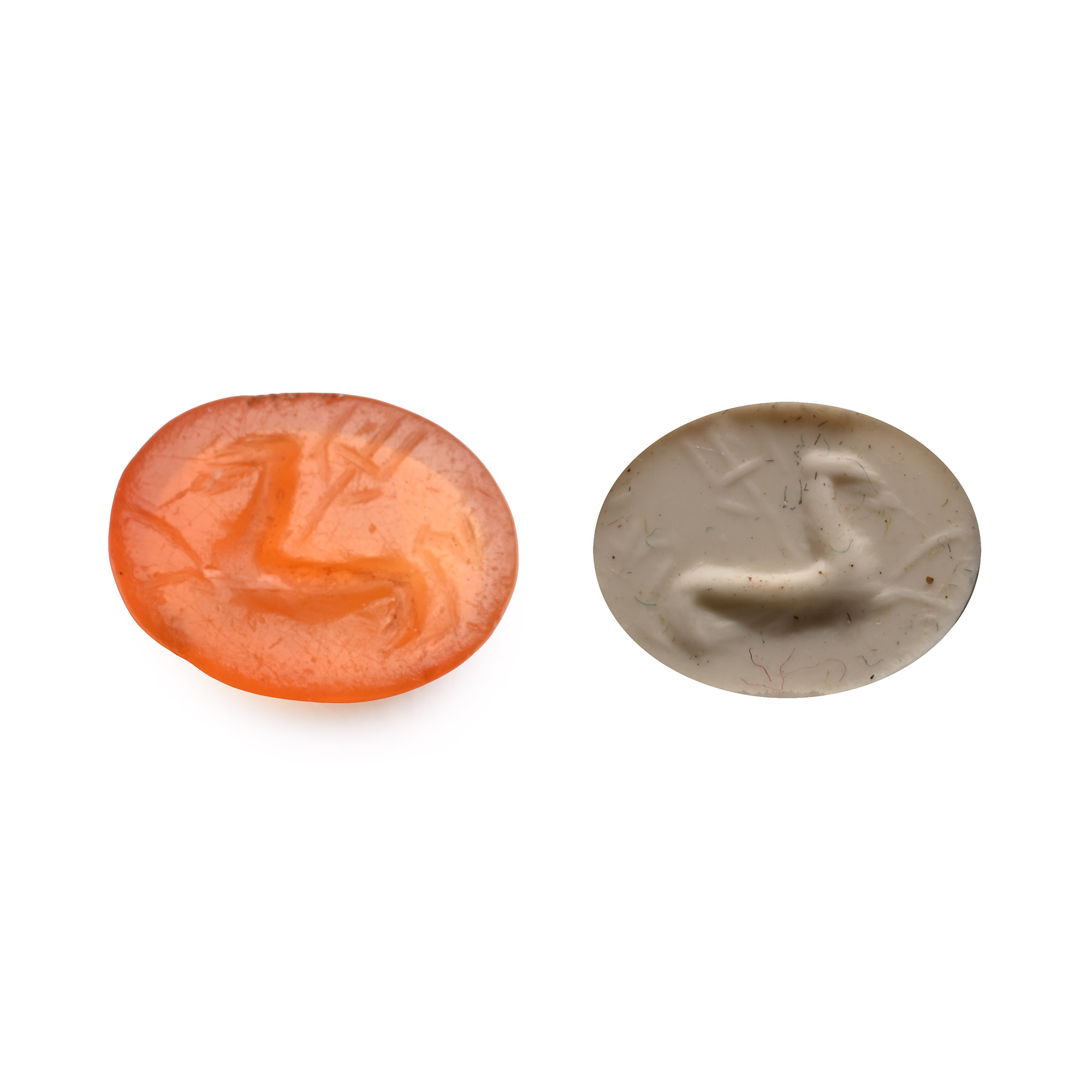
Roman Carnelian Gemstone with Hippocamp
2ND-3RD CENTURY A.D.
3/8 in. (0.23 grams, 9.68 mm).
With intaglio hippocamp supporting a trident; supplied with a museum-quality impression. [No Reserve]
ProvenanceFrom the private collection of a European gentleman (1942-2024), formed since the 1970s.
CONDITIONTimeLine Auctions follows a vetting process to ensure the authenticity and legality of all items, reinforcing our commitment to integrity and responsible trading. Each antiquity, antique, and coin lot undergoes thorough examination by a vetting committee of at least ten external specialists, professional trade association members, scientists, and archaeologists: Our Vetting Process
AUCTIONS:
TimeLine is a leading auction house specialising in antiquities, ancient art, collectables, natural history, coins, medals, and books. Our auctions offer museums, collectors, historians, and enthusiasts the opportunity to acquire unique and historically significant pieces.
-
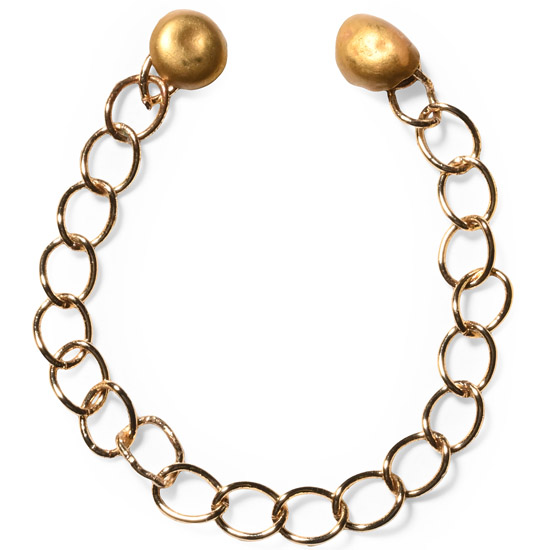
Eastern Roman Gold Pendant Bead Pair on Chain
3rd century B.C.-3rd century A.D.Sold for (Inc. bp): £85
Comprising two domed discs suspended from a length of looped later gold-coloured chain. 0.74 grams, 83 mm
Ex private British collection, formed in the 1980s. Property of a West Northamptonshire, UK, gentleman. -
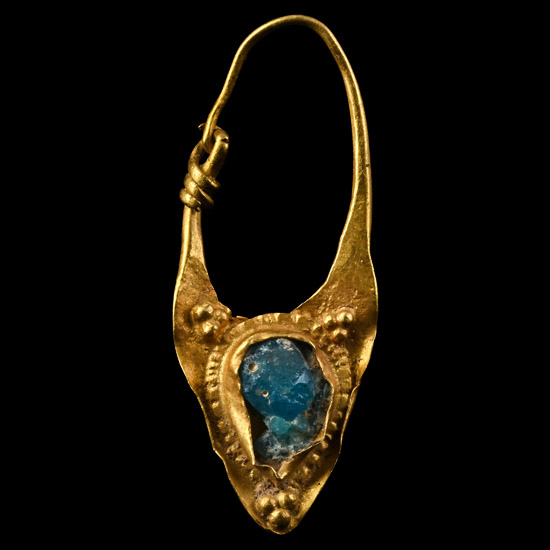
Roman Gold Earring with Glass Cabochon
1st-2nd century A.D.Sold for (Inc. bp): £208
Comprising a triangular plaque with a teardrop-shaped cell set with a turquoise-coloured glass cabochon, granulated edge and three applied granule clusters, loop-and-hook closure. 1.04 grams, 27.6 mm
From the private collection of a European gentleman (1942-2024), formed since the 1970s. -
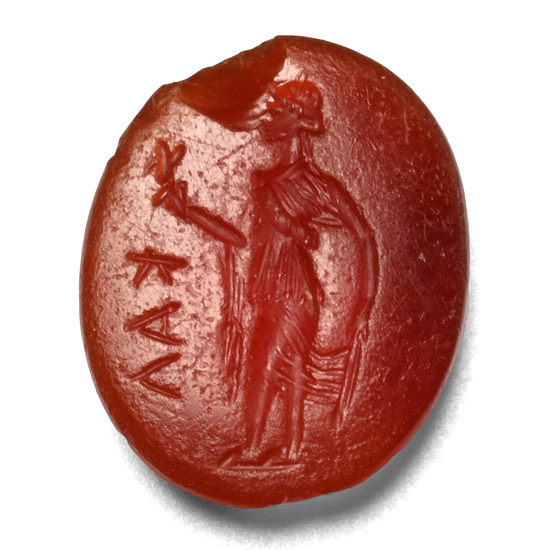
Roman Carnelian Gemstone with the Goddess Spes
2nd-3rd century A.D.Sold for (Inc. bp): £156
Standing and facing left with her right hand raised an holding a budding flower; inscription in Greek 'KAΛ(OΣ)' (= beautiful) on the left. 0.74 grams, 13 mm
Ex R. Sebastia Coch (1908-1969) collection, Barcelona; thence by descent. English art market, 2018. Accompanied by a copy of an Art Loss Register certificate no.S00143341.
Spes (Elpis in Greek) was honoured as a goddess since ancient times, but especially during the Empire the cult of the goddess took on a political value, symbolically representing the confident expectation of a happy imperial succession. From Claudius who had her depicted on coins on the occasion of the birth of his son Britannicus, Spes was then defined in epigraphs with the epithet of Augusta, Augusti, Augustorum and also publica or p(opuli)R(omani), to which were added under the Severi the attributes of perpetua(eternal) and firma(firm).
