
Loading, please wait...
LOT 0931
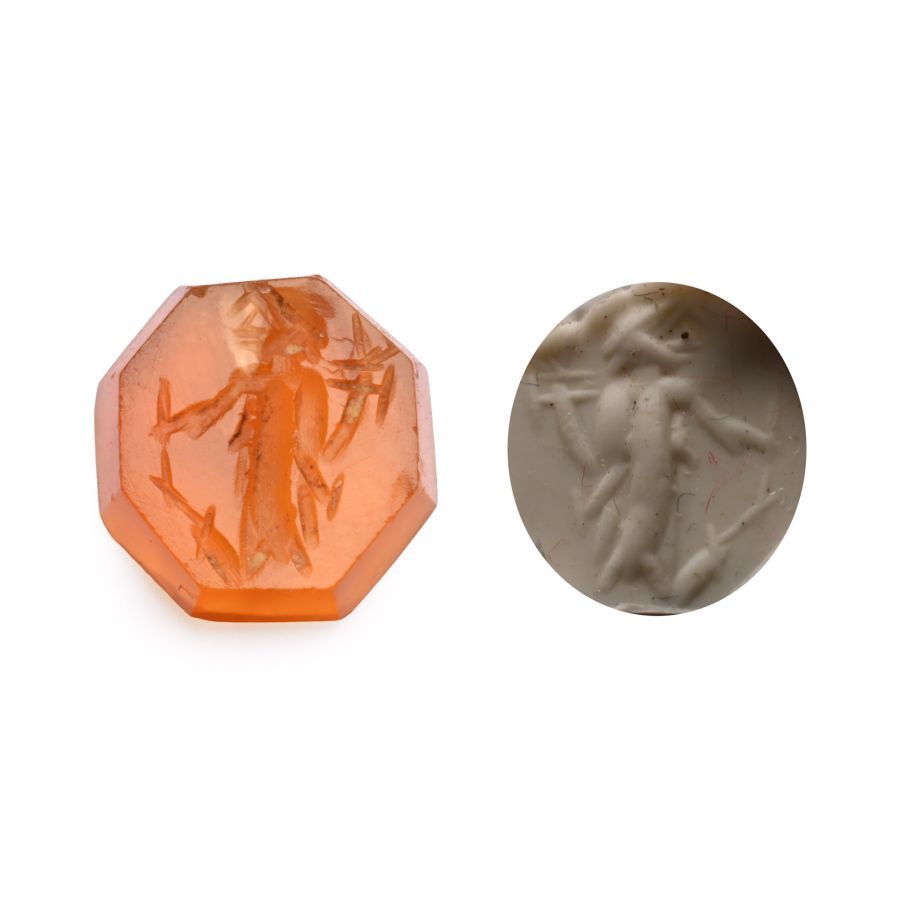
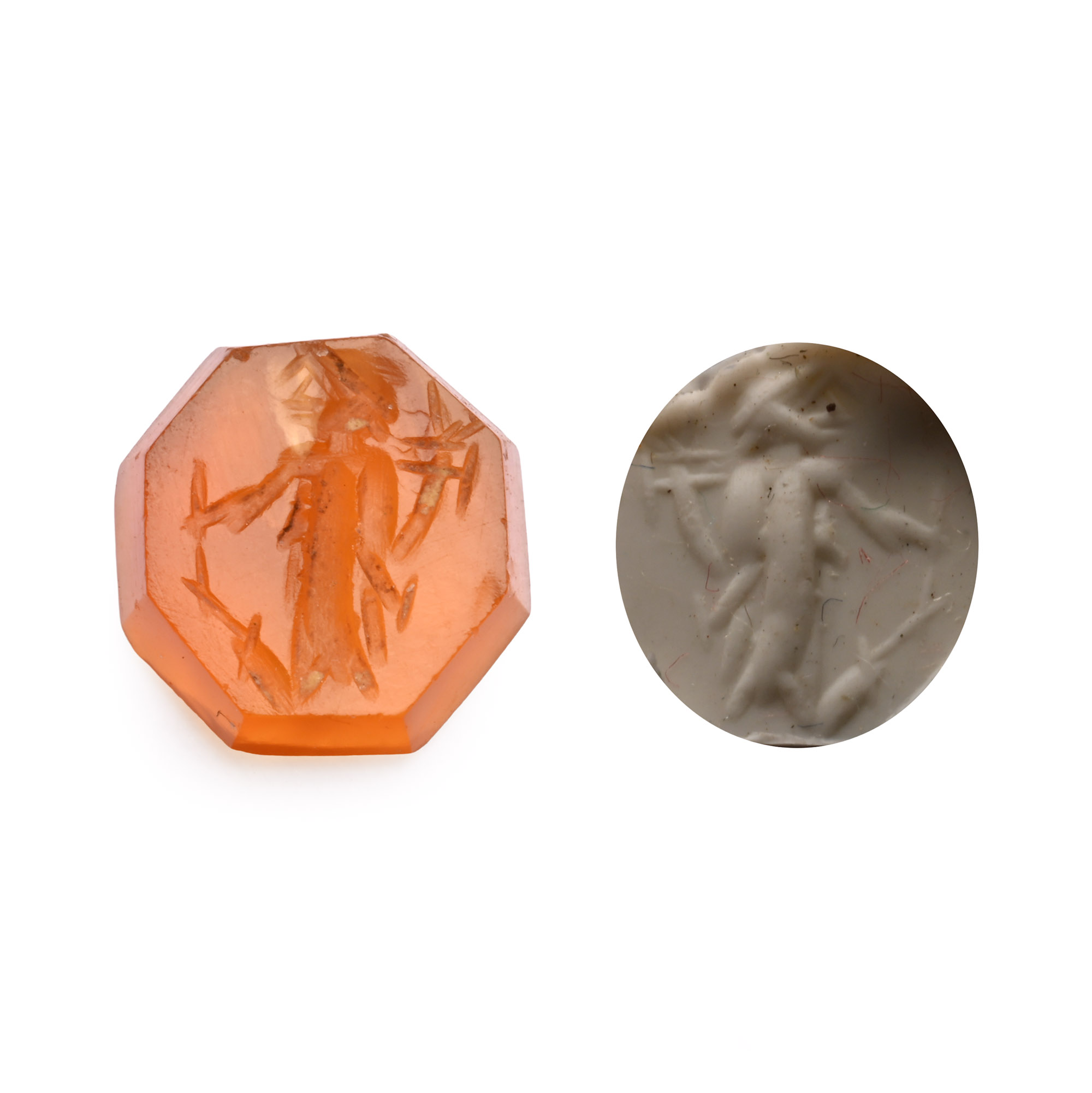
Roman Carnelian Gemstone with Fortuna
2ND-3RD CENTURY A.D.
3/8 in. (0.47 grams, 9.66 mm).
Octagonal in plan with intaglio Fortuna standing with ship's rudder and cornucopia; supplied with a museum-quality impression. [No Reserve]
ProvenanceFrom the private collection of a European gentleman (1942-2024), formed since the 1970s.
CONDITIONTimeLine Auctions follows a vetting process to ensure the authenticity and legality of all items, reinforcing our commitment to integrity and responsible trading. Each antiquity, antique, and coin lot undergoes thorough examination by a vetting committee of at least ten external specialists, professional trade association members, scientists, and archaeologists: Our Vetting Process
AUCTIONS:
TimeLine is a leading auction house specialising in antiquities, ancient art, collectables, natural history, coins, medals, and books. Our auctions offer museums, collectors, historians, and enthusiasts the opportunity to acquire unique and historically significant pieces.
-
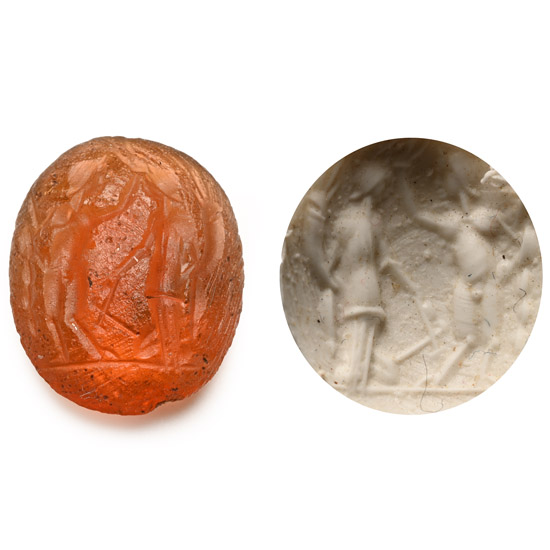
Roman Glass Gem with Fortuna
2nd-3rd century A.D.Sold for (Inc. bp): £85
Biconvex in profile with intaglio Fortuna standing holding a cornucopia beside a nude male; supplied with a museum-quality impression. 1.37 grams, 15.61 mm
From the private collection of a European gentleman (1942-2024), formed since the 1970s. -
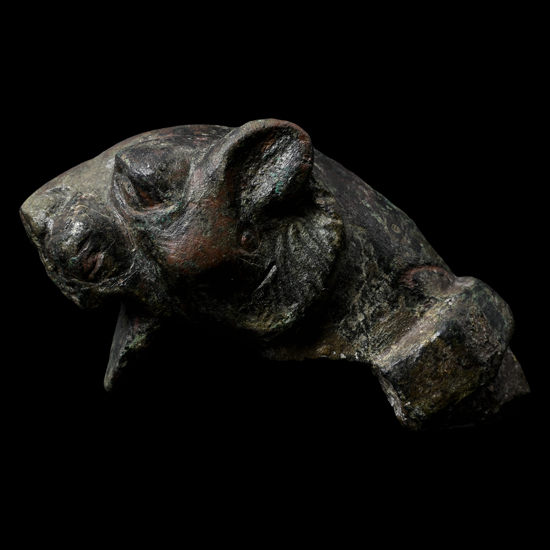
Roman Bronze Lion's Head Mount
1st-4th century A.D.Sold for (Inc. bp): £205
A heavy mount formed as a lioness with an open mouth and lolling tongue, a collar around the neck; a circular socket inside. 244 grams, 75 mm
From the private collection of a European gentleman (1942-2024), formed since the 1970s. -
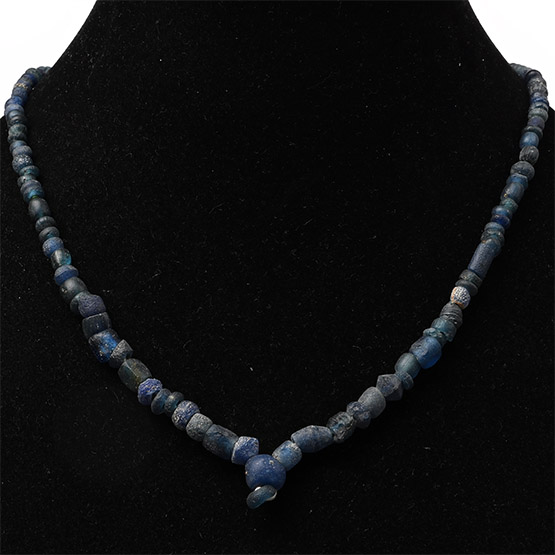
Roman Blue Glass Bead Necklace String
1st-4th century A.D. and laterSold for (Inc. bp): £39
Composed of graduated oblate and other beads with a larger oblate bead at the centre; restrung. 16.26 grams, 41.5 cm
Ex London, UK, collection, 1990s.
