
Loading, please wait...
LOT 0967
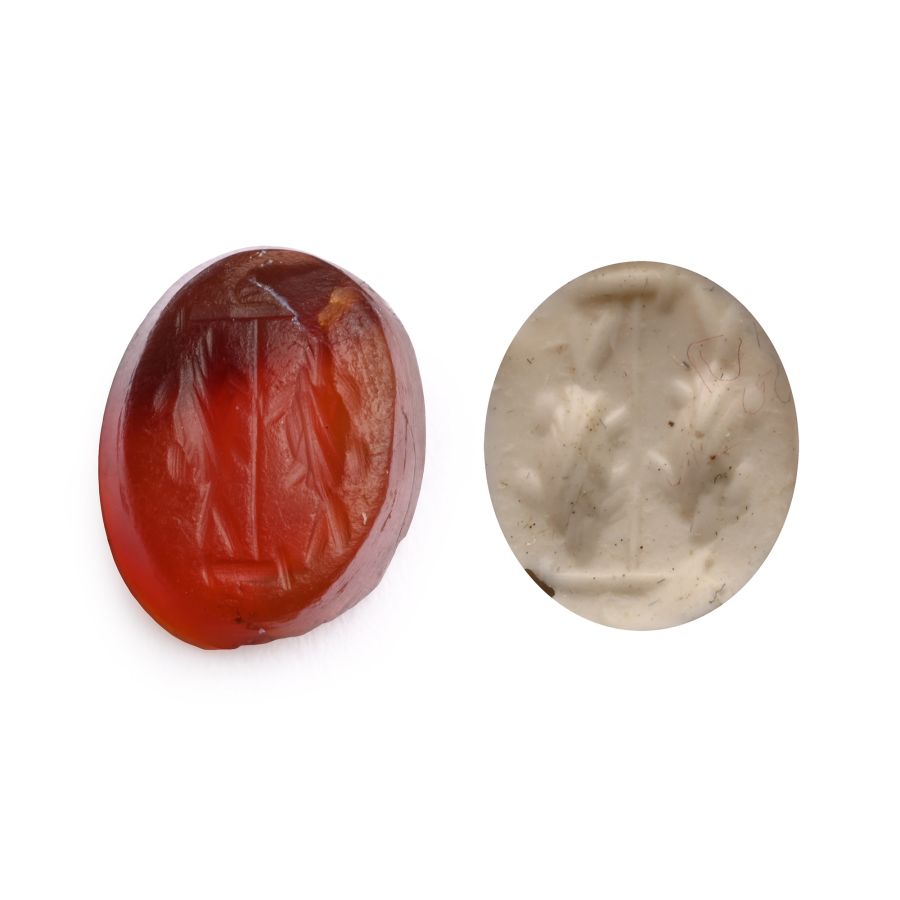
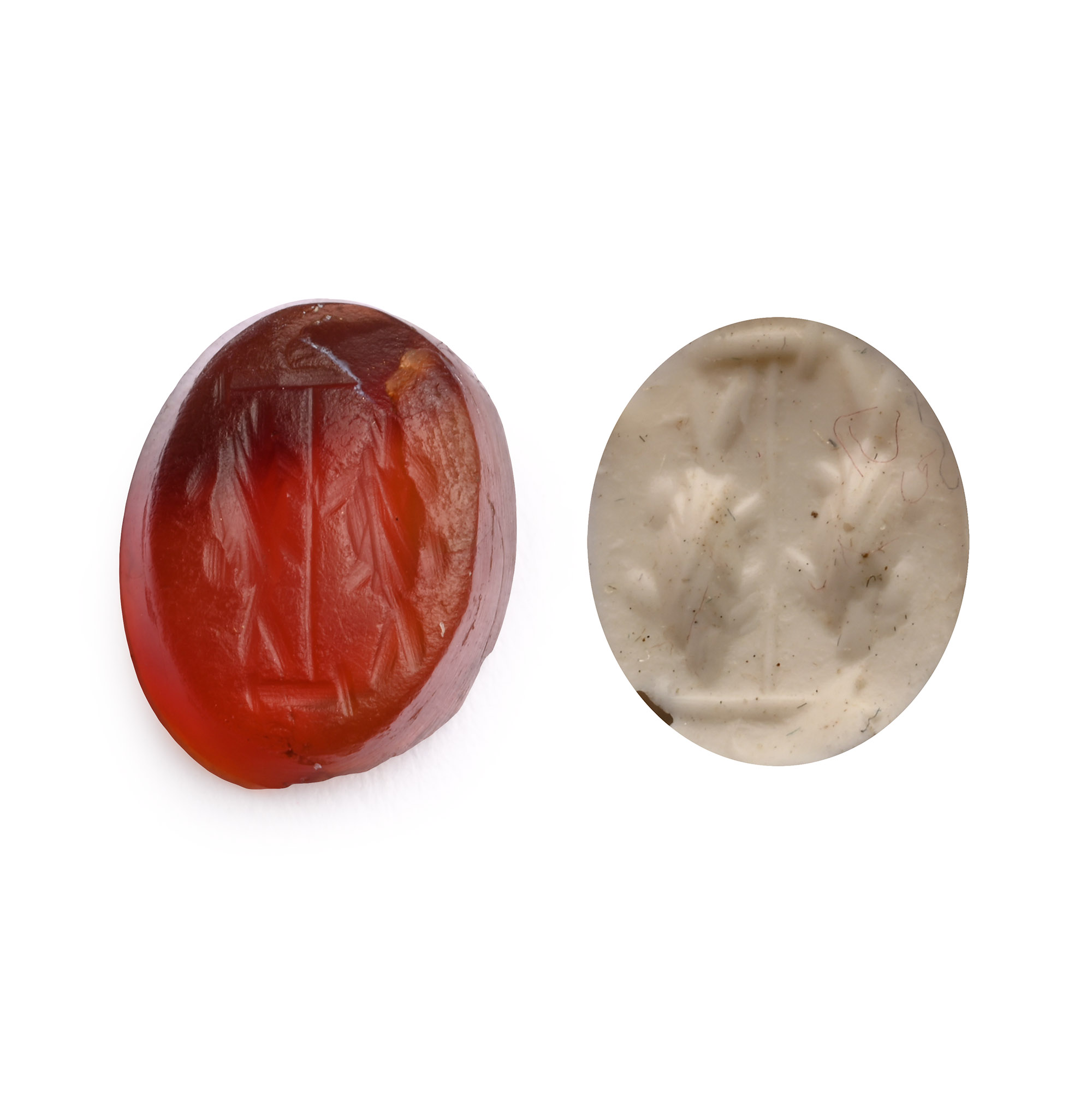
Roman Carnelian Gemstone with Fish
2ND-3RD CENTURY A.D.
3/8 in. (0.62 grams, 11.67 mm).
With intaglio fish, probably the constellation Pisces; chipped; supplied with a museum-quality impression. [No Reserve]
ProvenanceFrom the private collection of a European gentleman (1942-2024), formed since the 1970s.
CONDITIONTimeLine Auctions follows a vetting process to ensure the authenticity and legality of all items, reinforcing our commitment to integrity and responsible trading. Each antiquity, antique, and coin lot undergoes thorough examination by a vetting committee of at least ten external specialists, professional trade association members, scientists, and archaeologists: Our Vetting Process
AUCTIONS:
TimeLine is a leading auction house specialising in antiquities, ancient art, collectables, natural history, coins, medals, and books. Our auctions offer museums, collectors, historians, and enthusiasts the opportunity to acquire unique and historically significant pieces.
-
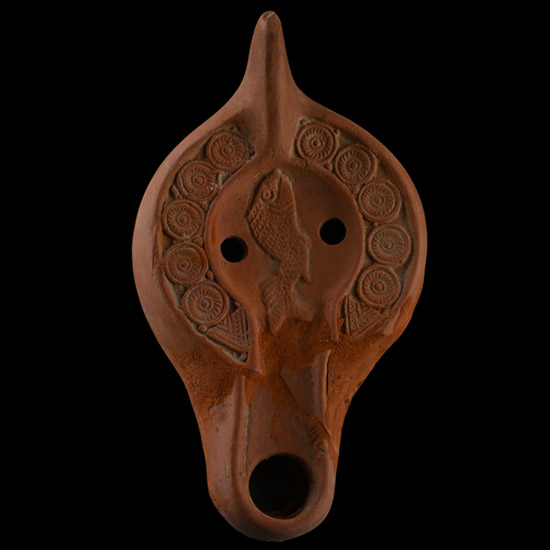
Late Roman Red Ware Oil Lamp with Fish
Circa 5th century A.D.Sold for (Inc. bp): £260
Circular body with a triangular handle at the rear, low-relief fish motif on the discus flanked by two filler holes, band of rosettes on the shoulder. 92 grams, 11.3 cm
From the private collection of Mr Brian Edwards, New Malden, Surrey, UK, formed from the late 1970s-early 1980s; thence by descent. Accompanied by the original collector's data sheet with reference no.A23. -
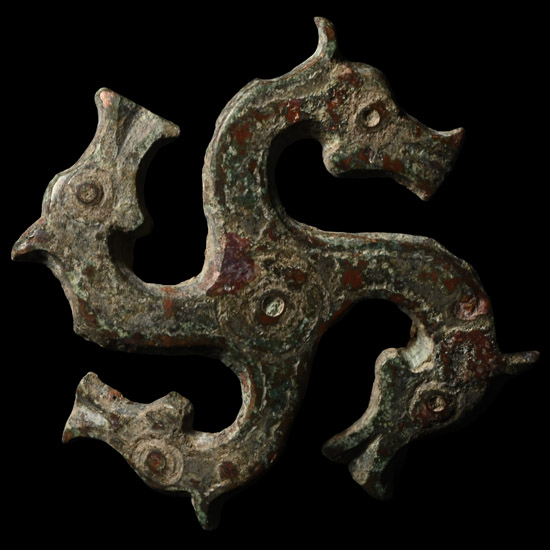
Roman Bronze Horse-Head Whorl Plate Brooch
3rd-4th century A.D.Sold for (Inc. bp): £156
With horse-head decoration to each arm, each head with punched ring-and-dot eye, and a similar motif to the centre; catchplate and remains of the iron pin to verso. 14.60 grams, 38.56 mm
From the private collection of a European gentleman (1942-2024), formed since the 1970s. -
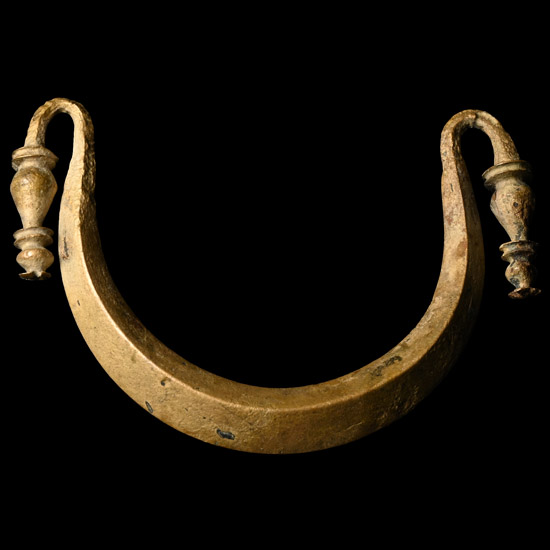
Roman Bronze Vessel Handle
1st-2nd century A.D.Sold for (Inc. bp): £78
Crescentic in form and square in section with recurved knop finials. 24.25 grams, 63.11 mm
From the private collection of a European gentleman (1942-2024), formed since the 1970s.
