
Loading, please wait...
LOT 0868
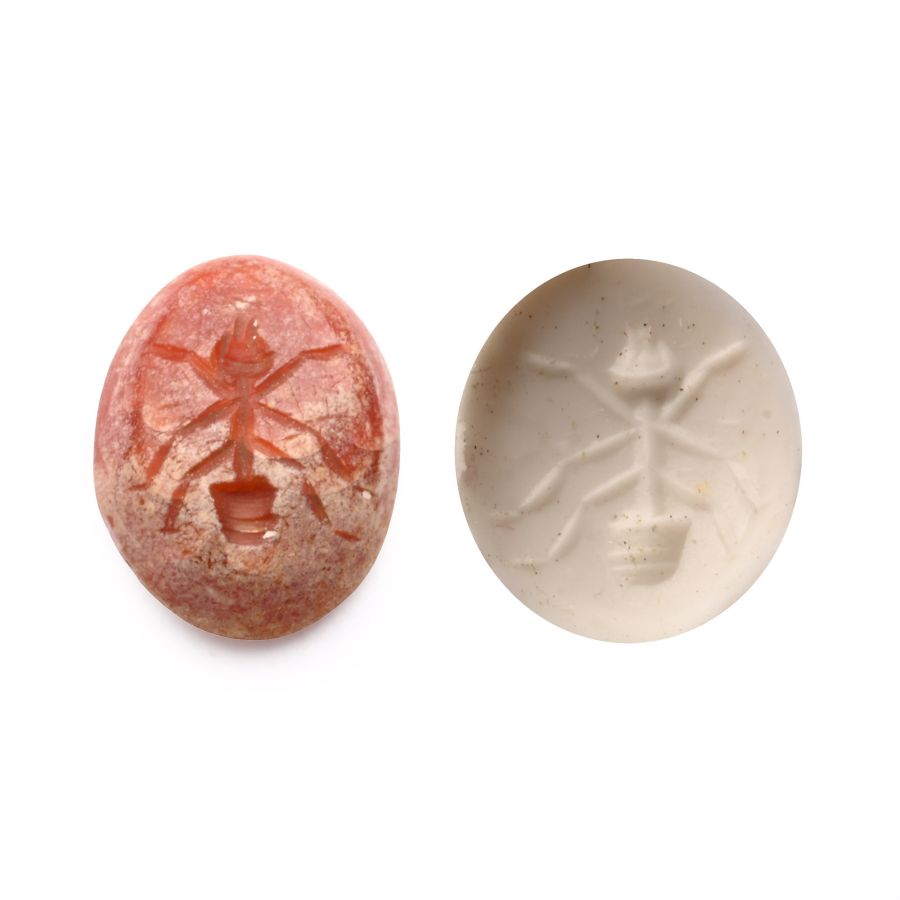
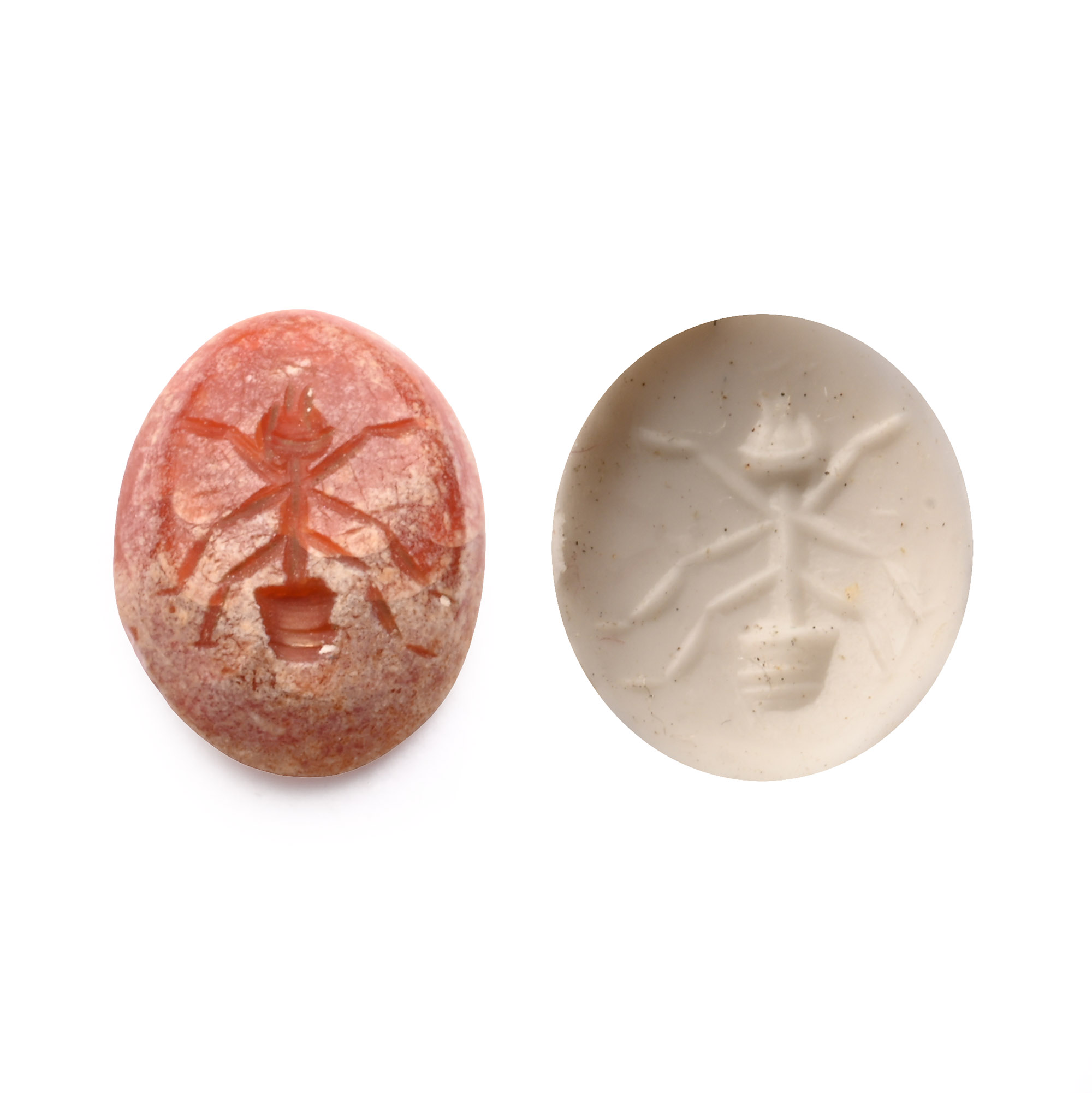
Roman Carnelian Gemstone with Ant
2ND-3RD CENTURY A.D.
1/4 in. (0.10 grams, 7.08 mm.).
With intaglio ant; supplied with a museum-quality impression. [No Reserve]
ProvenanceFrom the private collection of a European gentleman (1942-2024), formed since the 1970s.
CONDITIONTimeLine Auctions follows a vetting process to ensure the authenticity and legality of all items, reinforcing our commitment to integrity and responsible trading. Each antiquity, antique, and coin lot undergoes thorough examination by a vetting committee of at least ten external specialists, professional trade association members, scientists, and archaeologists: Our Vetting Process
AUCTIONS:
TimeLine is a leading auction house specialising in antiquities, ancient art, collectables, natural history, coins, medals, and books. Our auctions offer museums, collectors, historians, and enthusiasts the opportunity to acquire unique and historically significant pieces.
LOT 0868
Roman Carnelian Gemstone with Ant
Estimate £150 - 200€170 - 230 (for guidance only)$200 - 270 (for guidance only)
-
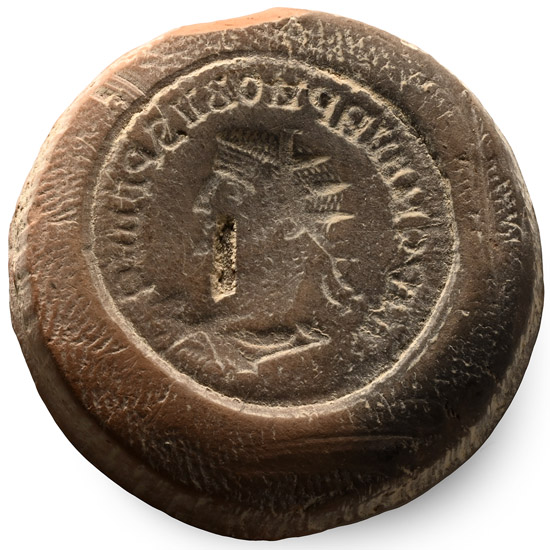
Roman Terracotta Coin Forger's Mould
Circa 3rd-4th century A.D.Estimate: £50 - 70 (+bp*)
Bids: 1 | Current Bid: £5
Discoid clay mould with an impressed design of a coin on each face. 4 grams, 27 mm
London gentleman's collection, 1970-1990s, by descent. -
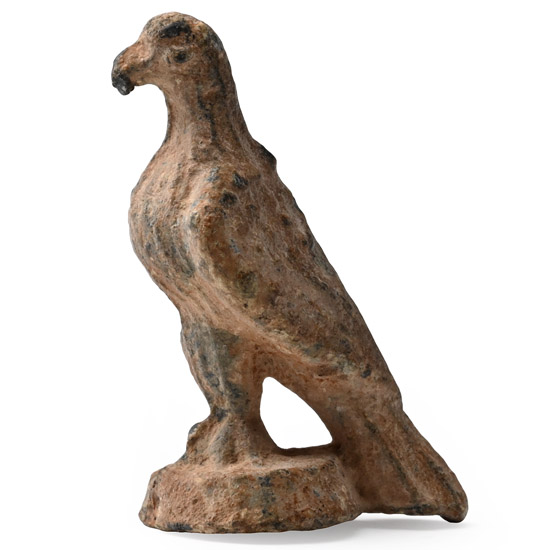
Roman Miniature Lead Eagle Statuette
Circa 2nd-4th century A.D.Estimate: £120 - 170 (+bp*)
Opening Bid: £50
Standing on an integral base with its wings folded, incised feather detailing to the body and wings. 14.9 grams, 28 mm
Ex German art market, 2000s. Acquired from an EU collector living in London. From the collection of a Surrey, UK, gentleman. -
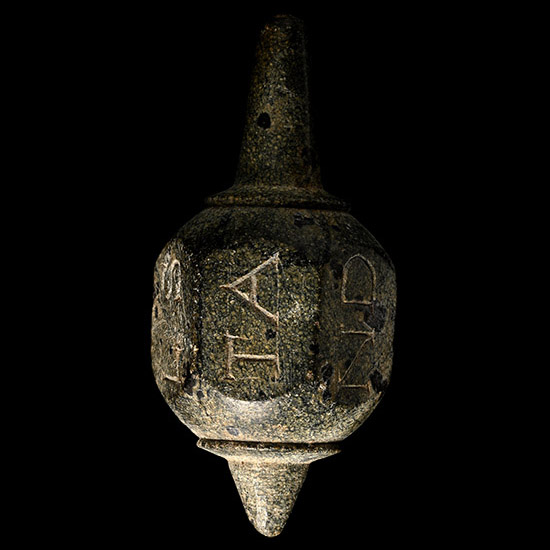
Roman Carved Stone Totum Spinning Gaming Die
2nd-3rd century A.D.Estimate: £1,000 - 1,400 (+bp*)
Bids: 2 | Current Bid: £10
Steatite spinner with conical foot, hexagonal-section body and tapering shank above; facets with incised lettering 'TA, ND, NH, NG, SZ, LS' in serifed Roman capitals. 20.7 grams, 49 mm
From the private collection of a European gentleman (1942-2024), formed since the 1970s.
Instead of the usual dots or ring-and-dot markings found on the dice, the numerical values are here indicated by letters. The letters are engraved into the stone with great care, using a burin with an elongated cutting edge. The value sequence was possibly determined by the position of the letters in the Latin alphabet: TA = 1+19; ND = 13+4; NH = 13+8; NG = 13+7; SZ = 18+25; LS = 11+18.
