
Loading, please wait...
LOT 0604
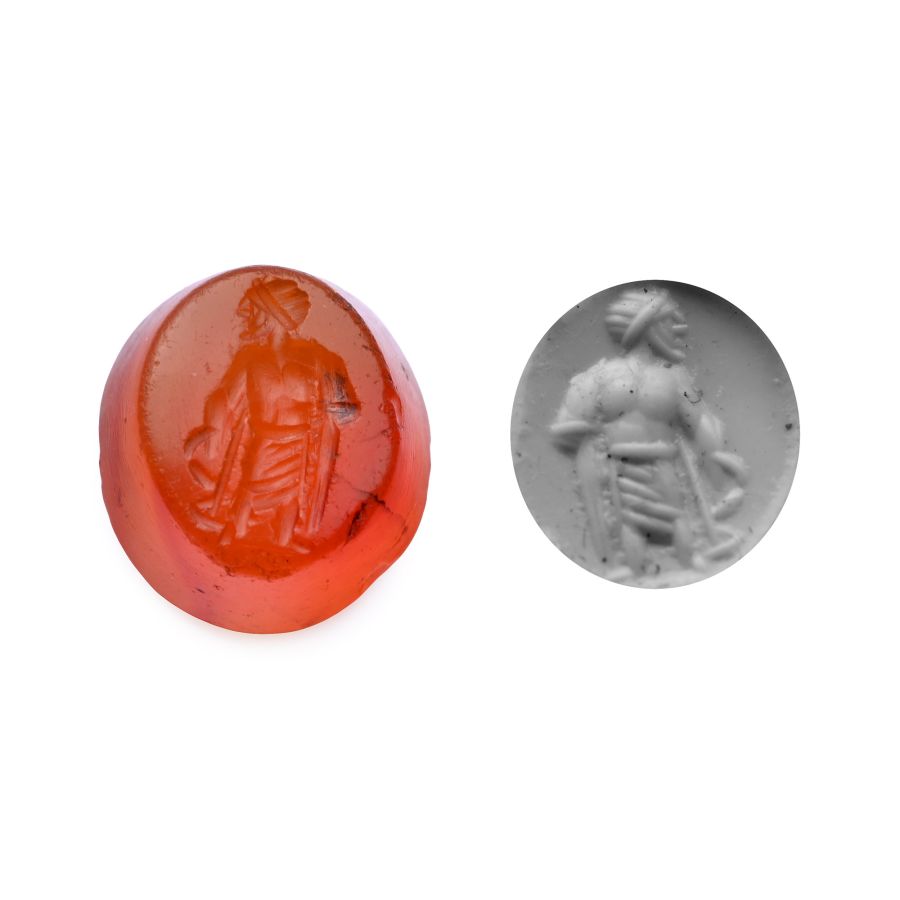
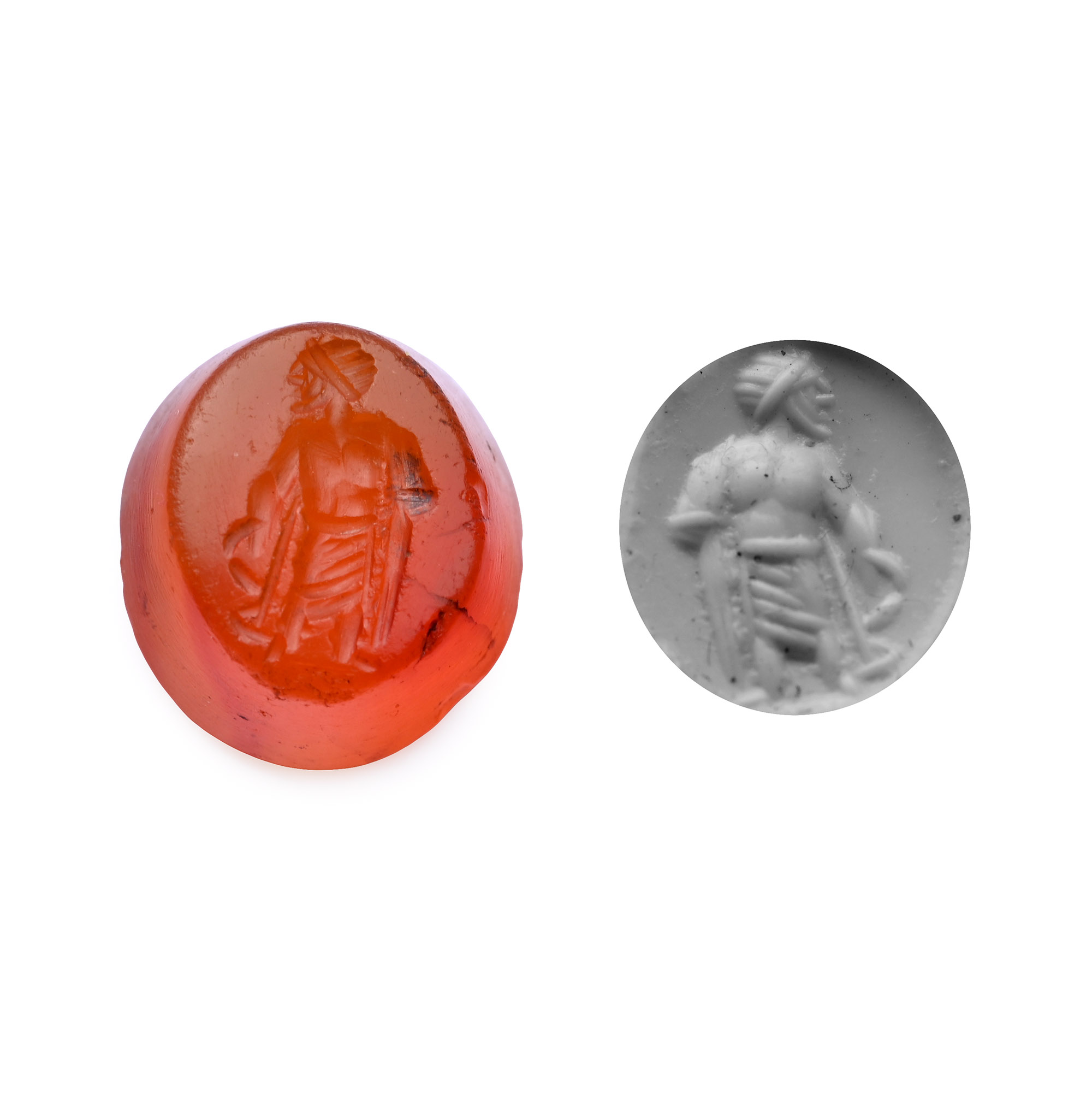
Roman Carnelian Gemstone with Aesculapius
2ND-3RD CENTURY A.D.
1/2 in. (1.40 grams,12.64 mm).
With the god in three-quarter view, with a cloak and staff; supplied with a museum-quality impression. [No Reserve]
ProvenanceFrom the private collection of a European gentleman (1942-2024), formed since the 1970s.
CONDITIONTimeLine Auctions follows a vetting process to ensure the authenticity and legality of all items, reinforcing our commitment to integrity and responsible trading. Each antiquity, antique, and coin lot undergoes thorough examination by a vetting committee of at least ten external specialists, professional trade association members, scientists, and archaeologists: Our Vetting Process
AUCTIONS:
TimeLine is a leading auction house specialising in antiquities, ancient art, collectables, natural history, coins, medals, and books. Our auctions offer museums, collectors, historians, and enthusiasts the opportunity to acquire unique and historically significant pieces.
-
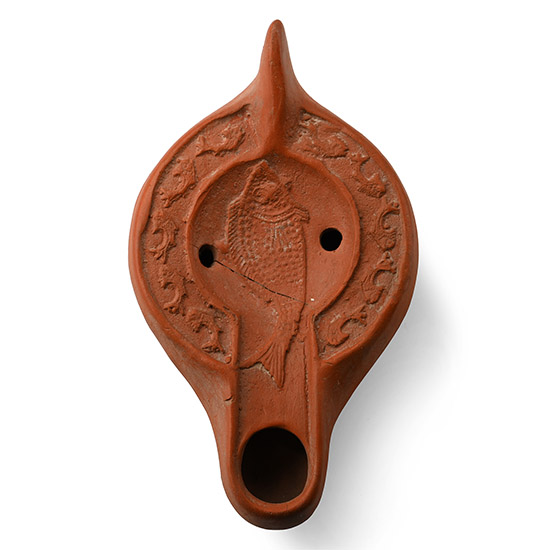
Late Roman Terracotta Lamp with Christian Fish
5th-6th century A.D.Estimate: £1,000 - 1,400 (‡+bp*)
Opening Bid: £500
Low discus with two filler holes flanking a low-relief fish in profile, a band of arched fish to the shoulder, lug handle to the rear and a low basal ring. 146 grams, 14.5 cm
Private collection, Tokyo, Japan, 1980s. Private European collection, 2010.
The so-called Christian lamps in Terra Sigillata Africana (TSA) have been classified by Hayes into two major types, I and II. Lamps of Hayes types I and II, initially produced in Tunisia only, were broadly exported, then imitated throughout the Roman Empire for three centuries; consequently, they are extremely numerous. -
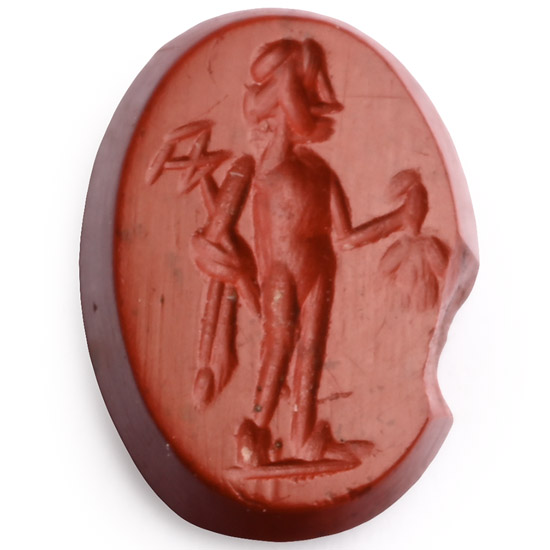
Roman Red Jasper Gemstone with Hermes
2nd-3rd century A.D.Sold for (Inc. bp): £98
With intaglio winged Hermes holding the caduceus; supplied with a museum-quality impression. 0.12 grams, 7.32 mm
From the private collection of a European gentleman (1942-2024), formed since the 1970s. -
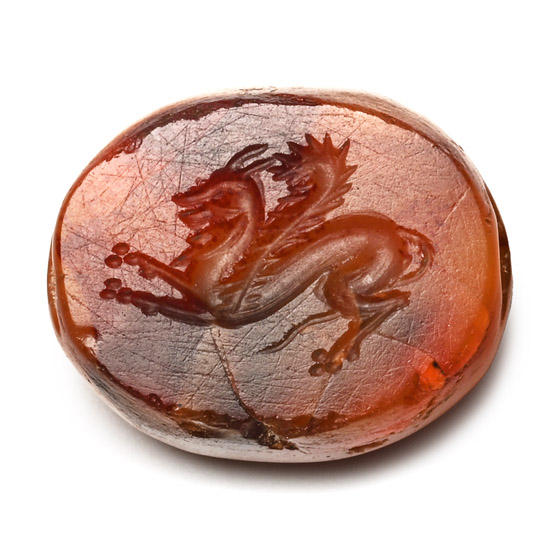
Roman Carnelian Gemstone with Chimera
2nd-3rd century A.D.Sold for (Inc. bp): £715
With intaglio winged beast, forelegs extended; supplied with a museum-quality impression. 1.57 grams, 13.84 mm
From the private collection of a European gentleman (1942-2024), formed since the 1970s.
