
Loading, please wait...
_900x900.jpg "Roman Carnelian Gemstone of Asclepius, the God of Medicine with Snake")
_200x200.jpg "Roman Carnelian Gemstone of Asclepius, the God of Medicine with Snake")
.jpg "Roman Carnelian Gemstone of Asclepius, the God of Medicine with Snake")
LOT 0026
Roman Carnelian Gemstone of Asclepius, the God of Medicine with Snake
1ST CENTURY A.D.
1/2 in. (0.64 grams, 14 mm).
Intaglio facing bust of the god Asclepius with serpent in one hand; supplied with a museum-quality impression.
ProvenancePrivate English collection, formed between the late 1970s and early 1990s.
Private collection, London, UK.
TimeLine Auctions follows a vetting process to ensure the authenticity and legality of all items, reinforcing our commitment to integrity and responsible trading. Each antiquity, antique, and coin lot undergoes thorough examination by a vetting committee of at least ten external specialists, professional trade association members, scientists, and archaeologists: Our Vetting Process
AUCTIONS:
TimeLine is a leading auction house specialising in antiquities, ancient art, collectables, natural history, coins, medals, and books. Our auctions offer museums, collectors, historians, and enthusiasts the opportunity to acquire unique and historically significant pieces.
LOT 0026
Roman Carnelian Gemstone of Asclepius, the God of Medicine with Snake
Sold for (Inc. bp): £2,860
-
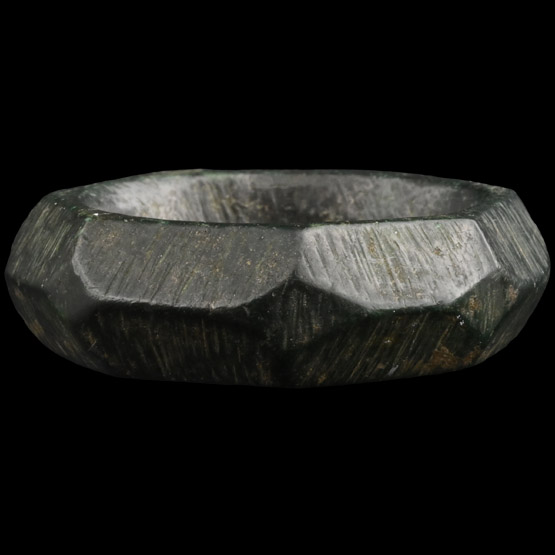
Large Roman Bronze Military Ring
1st-4th century A.D.Sold for (Inc. bp): £260
Octagonal in plan with rounded inner face, faceted outer with interstitial chamfers. 22.56 grams, 30.98 mm overall, 20.13 mm internal diameter (approximate size British U, USA 10, Europe 22.52, Japan 21)
Ex German art market, 2000s. Acquired from an EU collector living in London. From the collection of a Surrey, UK, gentleman. -
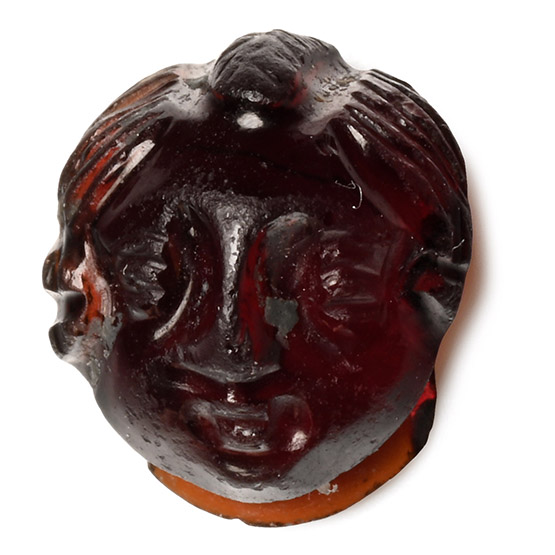
Roman Garnet Cameo of Eros, the Greek God of Love
1st century B.C.-1st century A.D.Sold for (Inc. bp): £702
With the head of Eros (Cupid), the god of love, facing; supplied with a museum-quality impression. 0.76 grams, 9 mm
Private English collection, formed between the late 1970s and early 1990s. Private collection, London, UK. -
.jpg)
Roman and Later Ring Collection
1st century A.D. and laterSold for (Inc. bp): £72
Including openwork type with 'PAX' monogram, spiked band and other types. 22.9 grams total, 21-34 mm
Private collection, Europe. Acquired on the English art market.
