
Loading, please wait...
LOT 0633
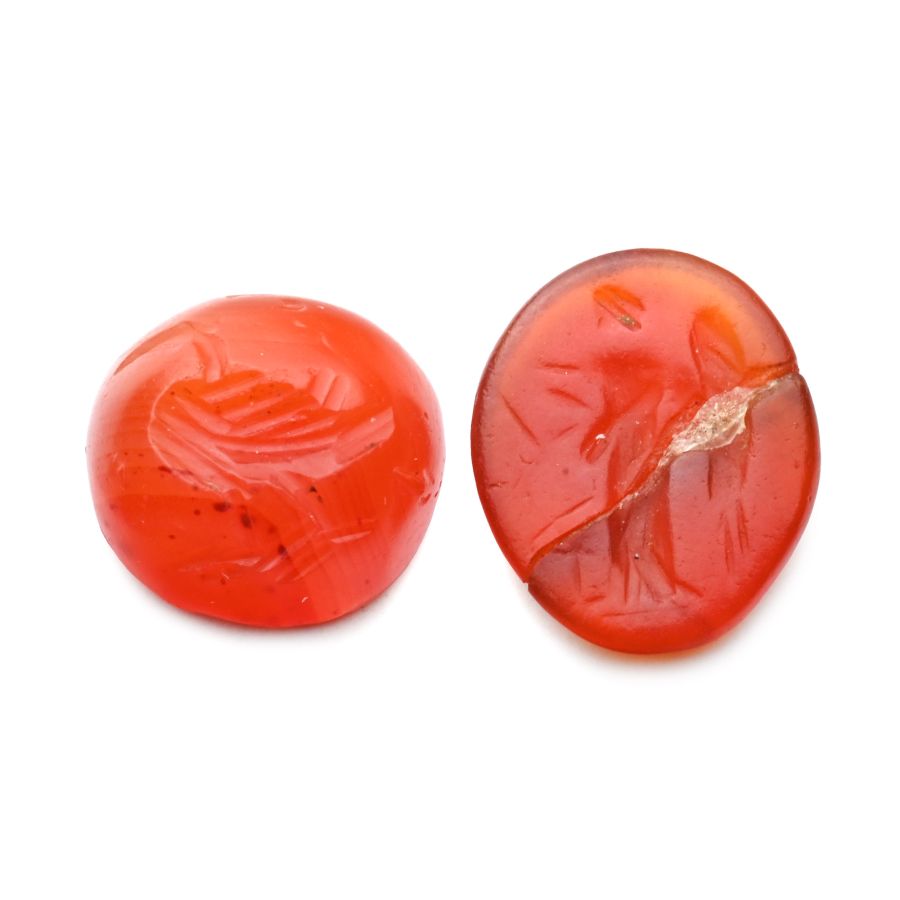
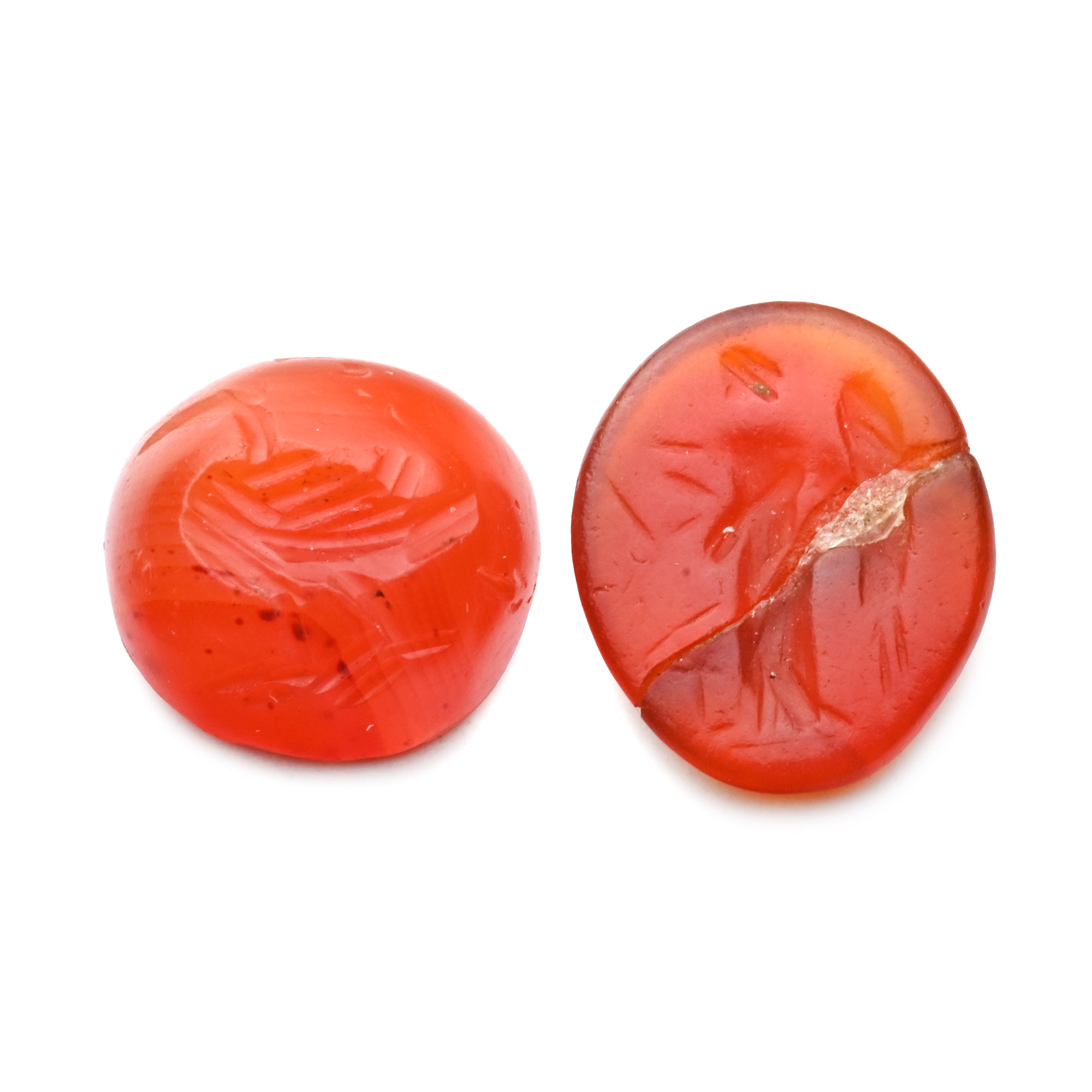
Roman Carnelian Gemstone Group
CIRCA 1ST CENTURY B.C.
3/8 in. (1 grams total, 9 mm each).
Ellipsoid type with two standing figures, broken; plano-convex type with a perching bird. [3, No Reserve]
ProvenanceProperty of a European gentleman, acquired from the estate of a London collector (formed before 2000).
CONDITIONTimeLine Auctions follows a vetting process to ensure the authenticity and legality of all items, reinforcing our commitment to integrity and responsible trading. Each antiquity, antique, and coin lot undergoes thorough examination by a vetting committee of at least ten external specialists, professional trade association members, scientists, and archaeologists: Our Vetting Process
AUCTIONS:
TimeLine is a leading auction house specialising in antiquities, ancient art, collectables, natural history, coins, medals, and books. Our auctions offer museums, collectors, historians, and enthusiasts the opportunity to acquire unique and historically significant pieces.
-
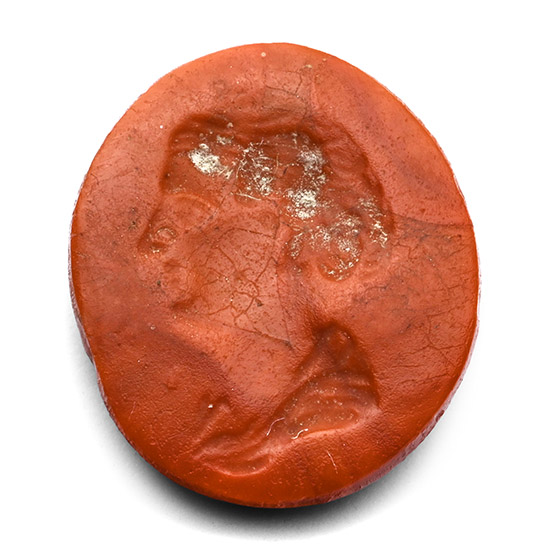
Roman Jasper Gemstone with Female Bust
2nd century A.D.Sold for (Inc. bp): £46
Ellipsoid in plan with an incuse female profile bust. 1.03 grams, 15 mm
Property of a European gentleman, acquired from the estate of a London collector (formed before 2000). -
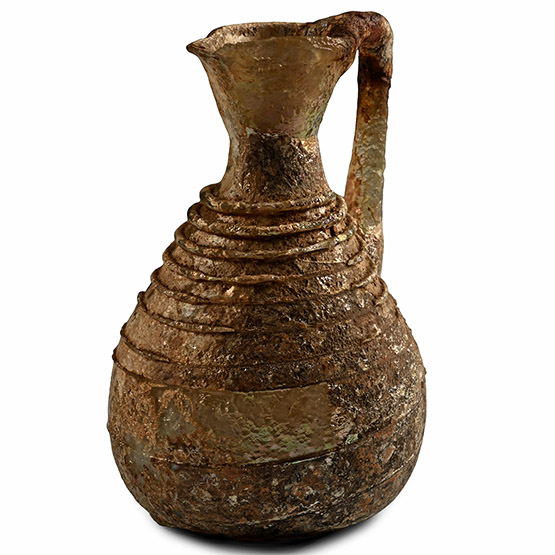
Roman Glass Jug with Trails
4th-5th century A.D.Estimate: £350 - 450 (‡+bp*)
Opening Bid: £190
A small pale yellow collared globular jug with short neck, angular ribbon handle with two narrow prominent ribs, folded upper attachment to the cylindrical neck, several horizontal lines on the globular body, trefoil mouth. 32 grams, 74 mm
with H.A.C., Basel, prior 1999.
These globular jugs were typical of the Eastern Mediterranean in the late Roman period. The body was often decorated with ornamental threads. The jugs were often used in a manner similar to pilgrim flasks, to collect oil and water from early Christian sanctuaries. -
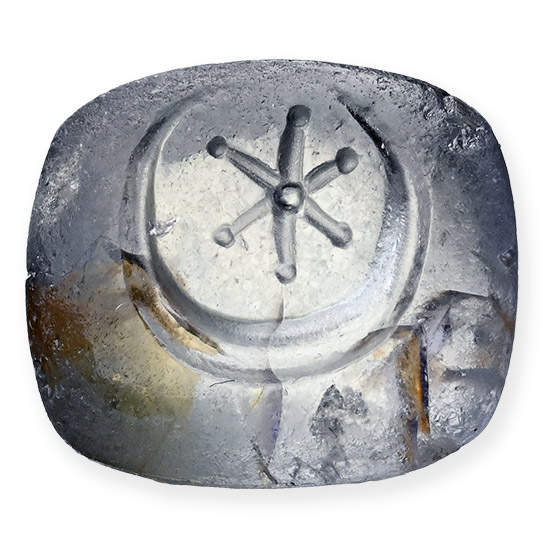
Roman Sapphire Gemstone with Crescent Moon and Star
Third quarter of 1st century B.C.Sold for (Inc. bp): £5,980
Cushion-shaped greenish-blue intaglio engraved with a large crescent moon and star. 1.05 grams, 10 mm
Formerly in a private collection of an European lady, 1970s-1980s. Private collection, UK. This lot has been checked against the Interpol Database of stolen works of art and is accompanied by search certificate number no.13305-257800.
Basaltic sapphires used by the Romans came from surface deposits in northern Ethiopia, which were already known and productive in ancient times. This hypothesis is supported by comments by Pliny the Elder (23–79 A.D.) and Solinus (early 3rd century A.D.), both of whom referred to gems from Ethiopia named ‘hyacintos’, which is generally accepted in archaeology to be the ancient name of sapphire. The moon and stars have been, since the 4th century BC, symbols of the city of Byzantium and were also linked with Spartan military culture.
