
Loading, please wait...
LOT 0723
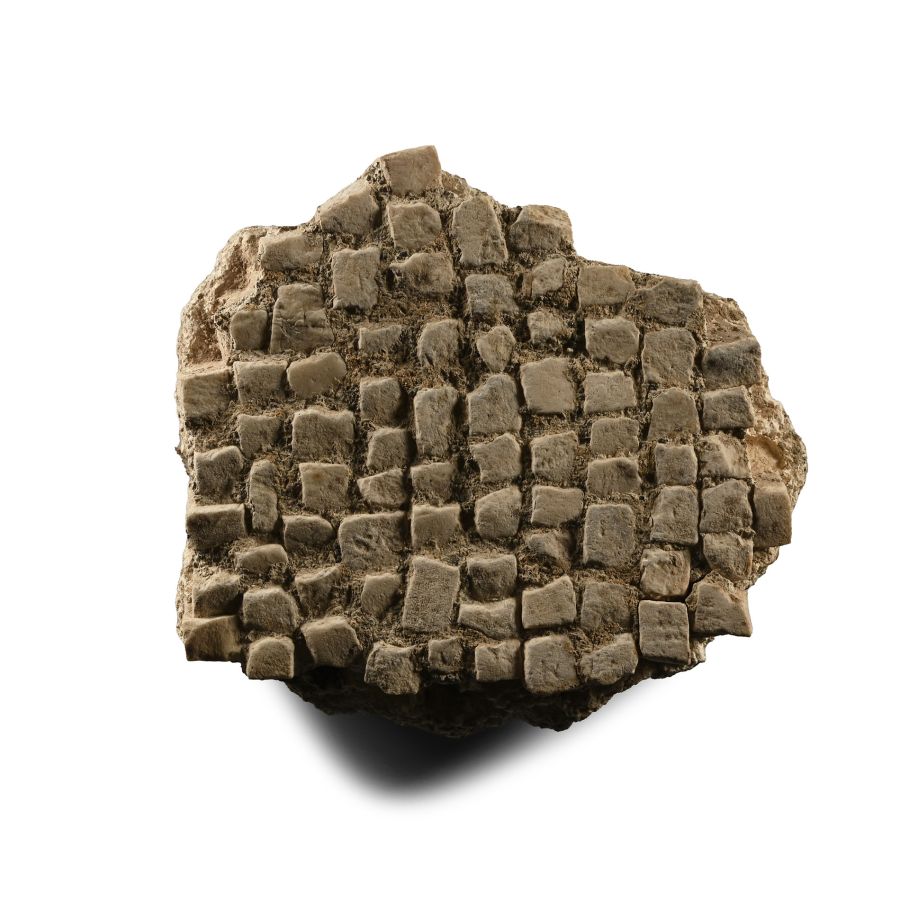
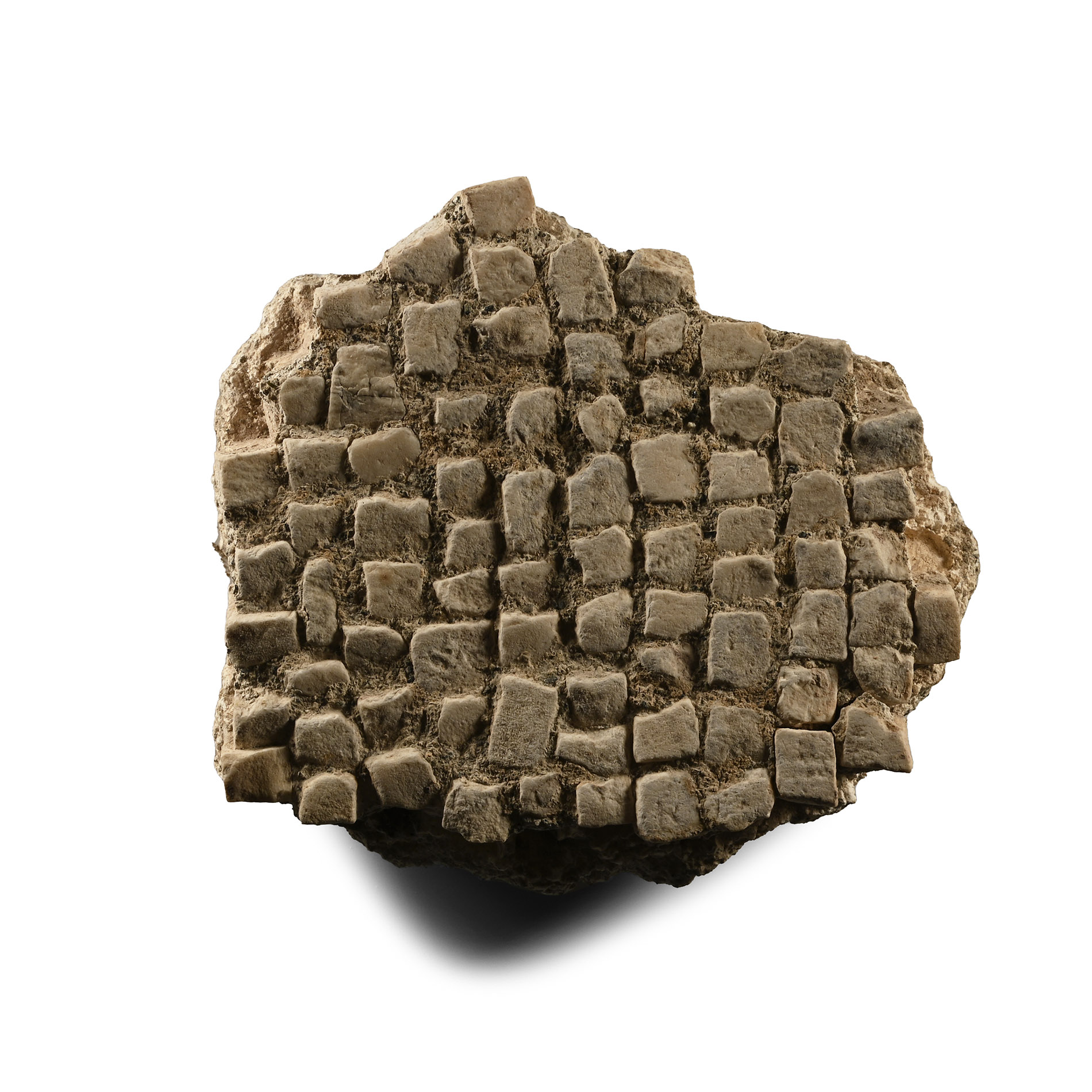
Roman 'Camulodunum' Stone Mosaic Floor Section
1ST-4TH CENTURY A.D.
4 1/2 in. (623 grams, 11.5 cm).
Matrix of opus caementicium with embedded rows of cuboid tesserae forming a pavement surface. [No Reserve]
ProvenanceFound Colchester, Essex, UK.
From the collection of a late East Anglian teacher and antiquarian who retired to the Isle of Wight in Hampshire, UK.
He amassed a large collection of objects between the 1960s-1980s.
This lot is accompanied by an illustrated lot declaration signed by the Head of the Antiquities Department, Dr Raffaele D’Amato.
TimeLine Auctions follows a vetting process to ensure the authenticity and legality of all items, reinforcing our commitment to integrity and responsible trading. Each antiquity, antique, and coin lot undergoes thorough examination by a vetting committee of at least ten external specialists, professional trade association members, scientists, and archaeologists: Our Vetting Process
AUCTIONS:
TimeLine is a leading auction house specialising in antiquities, ancient art, collectables, natural history, coins, medals, and books. Our auctions offer museums, collectors, historians, and enthusiasts the opportunity to acquire unique and historically significant pieces.
-
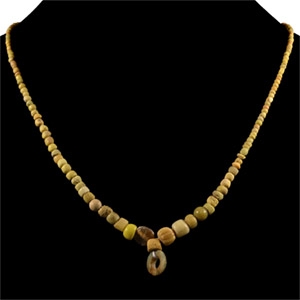
Roman Yellow Glass Bead Necklace String
1st-4th century A.D. and laterSold for (Inc. bp): £104
Composed of graduated oblate beads with an annular pendant decorated with ring-and-dot motifs. 17.4 grams, 40.5 cm
Acquired 1980-2015. Ex Abelita family collection. This lot is accompanied by an illustrated lot declaration signed by the Head of the Antiquities Department, Dr Raffaele D’Amato. -
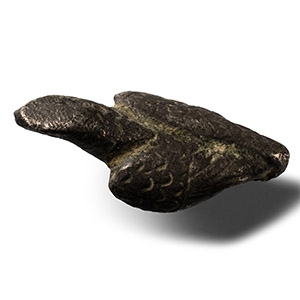
Roman Silver Eagle Statuette
1st-4th century A.D.Sold for (Inc. bp): £65
Modelled in the round with wings folded flat against the sides, legs bent, feet absent. 6.48 grams, 30 mm
From an English collection formed before 2000. This lot is accompanied by an illustrated lot declaration signed by the Head of the Antiquities Department, Dr Raffaele D’Amato.
Possibly a fitting from a vessel. -
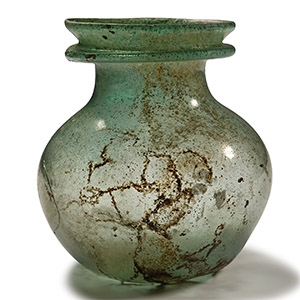
Roman Green Glass Jar
3rd-4th century A.D.Sold for (Inc. bp): £91
With dimpled base, squat globular body with shallow dimple above the base, broad neck with gusseted rim. 80 grams, 92 mm
Ex London art market 1990s. From a London, UK, collection. This lot is accompanied by an illustrated lot declaration signed by the Head of the Antiquities Department, Dr Raffaele D’Amato.
